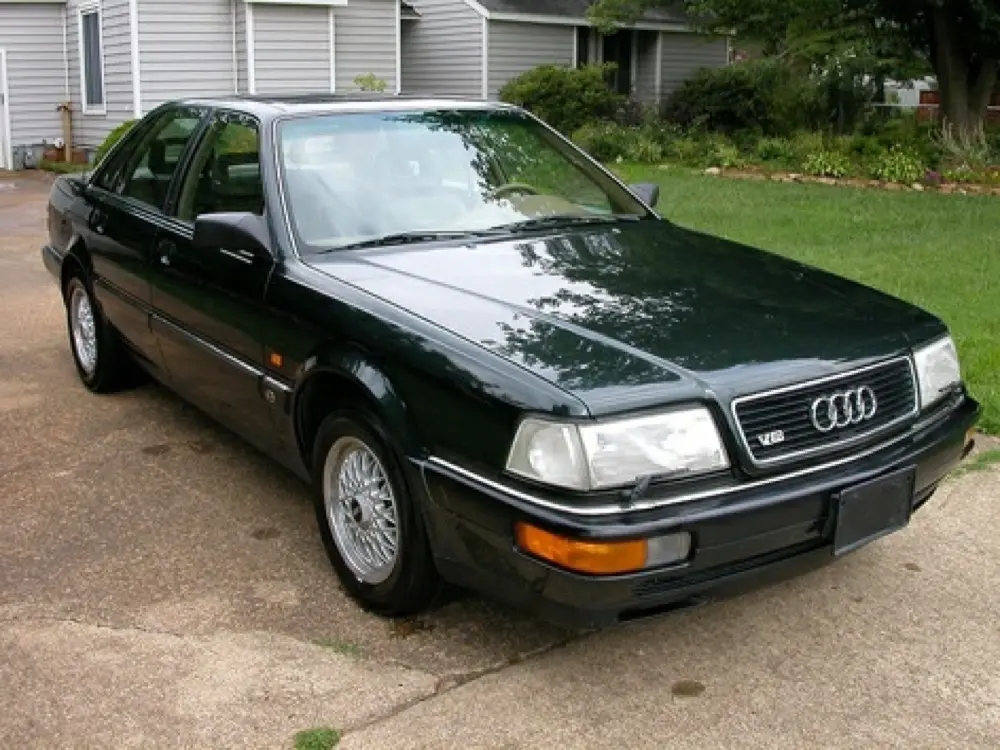
A full size, four-door, luxury sedan, Audi built the V8 between 1988 to 1993 as their flagship model. It was the first model designed by the German auto manufacturing giants that implemented its trademark quattro system in combination with an automatic transmission and a V8 engine. The initial models had a 3.6-liter engine while in the later ones, it was upgraded to an engine of 4.2-liter capacity. It was eventually replaced in 1994 by the Audi A8 that did not sell its first model until 1997.
Frequently Asked Questions
How do I diagnose a check engine light on my Audi V8?
A check engine light on your Audi V8 could be caused by a number of issues, including a faulty oxygen sensor, a loose gas cap, or a malfunctioning catalytic converter. It’s important to use a scan tool to read the fault code and diagnose the issue. Once the issue is identified, repairs should be performed as necessary.
How do I diagnose a no-start condition in my Audi V8?
A no-start condition in your Audi V8 could be caused by a number of issues, including a dead battery, faulty starter motor, or a malfunctioning fuel pump. It’s important to conduct a thorough diagnosis to identify the root cause of the issue. This may involve checking the battery voltage, testing the starter motor, or checking the fuel pressure.
How do I diagnose a rough running engine in my Audi V8?
A rough running engine in your Audi V8 could be caused by a number of issues, including faulty spark plugs, a clogged fuel filter, or a malfunctioning fuel injector. It’s important to conduct a thorough diagnosis to identify the root cause of the issue. This may involve using a scan tool to read fault codes, conducting a compression test, or checking the ignition system.
How do I replace the air filter on my Audi V8?
To replace the air filter on your Audi V8, locate the air filter housing near the engine. Open the housing and remove the old air filter. Inspect the housing and replace any damaged components. Install the new air filter, and then reassemble the housing.
How do I replace the brake pads on my Audi V8?
To replace the brake pads on your Audi V8, you’ll need to remove the wheels, caliper, and old brake pads. You should inspect the rotors for wear and damage, and replace them if necessary. Install the new brake pads, reattach the caliper, and then reassemble the wheel.
How do I replace the cabin air filter on my Audi V8?
To replace the cabin air filter on your Audi V8, locate the filter housing behind the glove box. Remove the old filter and inspect the housing for any debris or damage. Install the new filter, and then reassemble the housing.
How do I replace the serpentine belt on my Audi V8?
To replace the serpentine belt on your Audi V8, locate the tensioner pulley and use a wrench to release the tension on the belt. Remove the old belt and inspect the pulleys for any damage or wear. Install the new belt, and then use the wrench to apply tension to the belt.
What is the recommended battery size for the Audi V8?
The recommended battery size for the Audi V8 varies depending on the specific model and engine size. It’s important to refer to the owner’s manual or consult with a professional to determine the correct battery size. Using the correct battery size will ensure optimal starting power and battery life.
What is the recommended coolant type for the Audi V8?
The recommended coolant type for the Audi V8 is G12++ coolant. This coolant is specifically designed for modern VW and Audi engines, and provides optimal protection against corrosion and overheating. It’s important to use the correct coolant type and to perform regular coolant flushes as per the manufacturer’s guidelines.
What is the recommended interval for replacing the fuel filter on the Audi V8?
The recommended interval for replacing the fuel filter on the Audi V8 varies depending on the specific model and engine size. It’s important to refer to the owner’s manual or consult with a professional to determine the correct interval. Regular fuel filter changes will ensure optimal fuel system performance and prevent clogs.
What is the recommended interval for replacing the timing belt on the Audi V8?
The recommended interval for replacing the timing belt on the Audi V8 is every 90,000 miles. It’s important to replace the timing belt on schedule, as a broken timing belt can cause serious engine damage. While replacing the timing belt, it’s also recommended to replace the water pump and tensioner.
What is the recommended oil type for the Audi V8?
The recommended oil type for the Audi V8 is synthetic 5W-40 oil. It’s important to use a high-quality oil that meets the VW 502.00 standard, as this will ensure optimal performance and protection for the engine. Regular oil changes should be performed as per the manufacturer’s guidelines.
What is the recommended power steering fluid for the Audi V8?
The recommended power steering fluid for the Audi V8 is synthetic Audi G 002 000 hydraulic fluid. It’s important to use the correct fluid for your specific power steering system, as using the wrong fluid can cause damage. Regular power steering fluid changes should be performed as per the manufacturer’s guidelines.
What is the recommended tire pressure for the Audi V8?
The recommended tire pressure for the Audi V8 varies depending on the specific model and tire size. It’s important to refer to the owner’s manual or placard on the vehicle to determine the correct tire pressure. Proper tire pressure will ensure optimal handling, fuel efficiency, and tire life.
What is the recommended transmission fluid for the Audi V8?
The recommended transmission fluid for the Audi V8 is synthetic Audi G 052 162 A2 transmission fluid. It’s important to use the correct fluid for your specific transmission, as using the wrong fluid can cause damage to the transmission. Regular transmission fluid changes should be performed as per the manufacturer’s guidelines.
