
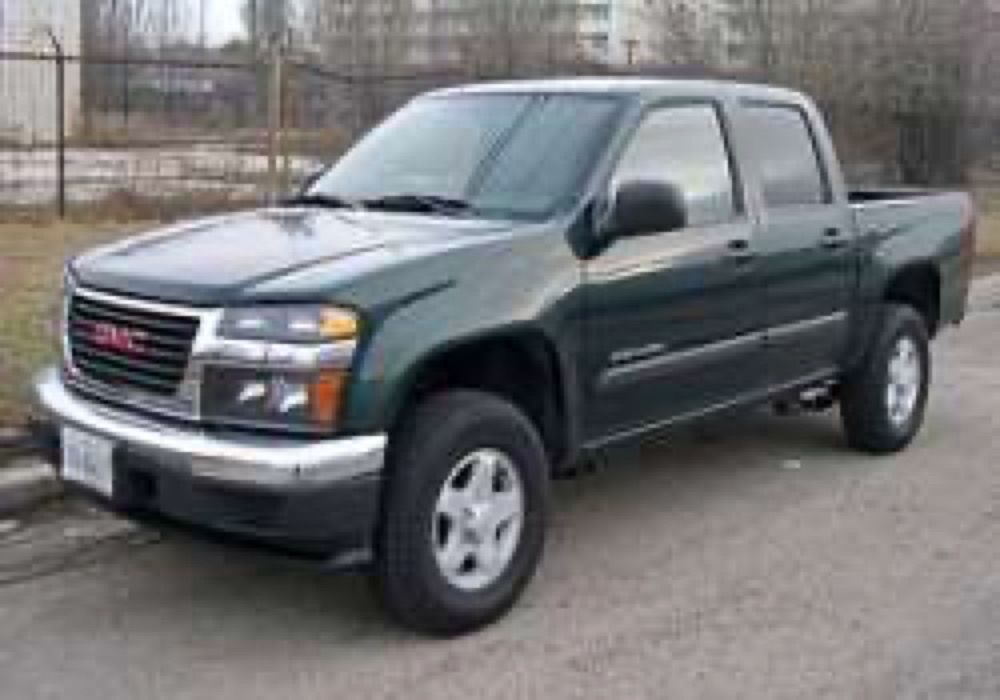
The all-new GMC Canyon was introduced on January 12, 2014, GMC introduced in an official press and video release and made its public debut the following day (January 13, 2014) at the North American International Auto Show in Detroit, with sales to begin at dealerships in the second quarter of 2014 as a 2015 model.The Canyon will offer the same features as its cousin, but will have a higher MSRP and more options. It also sports a front grille design that closely resembles its full-size sibling, the GMC Sierra. The 2015 Canyon will come in three trims and either two-wheel drive or four-wheel drive. The base model will only be available with the 2.5 L Ecotec I4 engine, a 6-speed manual transmission, and two-wheel drive.Optional features (based on trim) will include active aero grille shutters, available OnStar 4G LTE connectivity with on-board wifi, forward collision warning, lane departure warning, and an available Teen Driver feature that limits speed and audio volume.On February 16, 2015, GMC posted spyshots of a Canyon with Denali styling, indicating plans to add the mid-size truck to the Denali lineup as a 2016 model.
Frequently Asked Questions
How do I change the oil in a GMC Canyon?
To change the oil in a GMC Canyon, first, park the vehicle on a level surface and ensure it is turned off. Locate the oil drain plug underneath the engine and place a drain pan beneath it. Loosen the plug and let the old oil drain out completely. Once drained, replace the drain plug, remove the old oil filter, and install a new one. Finally, refill the engine with the recommended amount and type of oil specified in the manual.
How do I check the engine coolant level in a GMC Canyon?
To check the engine coolant level in a GMC Canyon, first, make sure the engine is cool and the vehicle is parked on a level surface. Locate the coolant reservoir, usually marked with “Engine Coolant” or “Antifreeze” on the cap or reservoir itself. Remove the cap and check the level against the “Full” or “Max” indicator on the reservoir. If the level is low, add the recommended coolant mixture until it reaches the appropriate level. Avoid opening the radiator cap when the engine is hot to prevent injury from escaping steam or hot coolant.
How do I check the power steering fluid level in a GMC Canyon?
To check the power steering fluid level in a GMC Canyon, start the engine and let it idle for a few minutes to warm up. Park the vehicle on a level surface and engage the parking brake. Locate the power steering fluid reservoir, usually labeled with “Power Steering” or a steering wheel icon. Remove the cap and check the fluid level against the “Full” or “Max” indicator on the dipstick or reservoir. If the level is low, add the recommended power steering fluid until it reaches the appropriate level. Avoid overfilling, as it can lead to system damage.
How do I check the transmission fluid in a GMC Canyon?
To check the transmission fluid in a GMC Canyon, start the engine and allow it to idle for a few minutes to warm up. Park the vehicle on a level surface and engage the parking brake. Locate the transmission dipstick, usually marked with a yellow or red handle, and remove it. Wipe it clean, reinsert it fully, and then remove it again to check the fluid level. The fluid level should be within the designated range on the dipstick. If it is low, add the recommended transmission fluid through the dipstick tube, using a funnel if necessary.
How do I replace a cabin air filter in a GMC Canyon?
To replace a cabin air filter in a GMC Canyon, start by locating the cabin air filter housing, typically located behind the glove compartment or under the dashboard. Open the housing by releasing the clips or removing the screws that secure it. Take out the old filter and clean any debris or dust from the housing. Install the new cabin air filter, making sure it is properly aligned and fits snugly. Close the housing and secure it with the clips or screws, ensuring a tight seal.
How do I replace a fuel filter in a GMC Canyon?
To replace a fuel filter in a GMC Canyon, first, make sure the engine is cool and the vehicle is turned off. Locate the fuel filter, usually along the fuel line underneath the vehicle or inside the engine bay. Place a drain pan beneath the filter to catch any fuel that may spill. Use a wrench or fuel line disconnect tool to remove the fittings on either side of the filter. Install the new filter, ensuring the flow direction is correct, and tighten the fittings securely. Start the engine and check for any leaks.
How do I replace a headlight bulb in a GMC Canyon?
To replace a headlight bulb in a GMC Canyon, first, open the hood and locate the backside of the headlight assembly. Depending on the model year, you may need to remove a cover or twist off a cap to access the bulb. Once the bulb is exposed, disconnect the electrical connector and remove the retaining clip or twist the bulb socket counterclockwise to remove the old bulb. Insert the new bulb, secure it in place, reconnect the electrical connector, and test the headlight before closing the hood.
How do I replace a serpentine belt in a GMC Canyon?
To replace a serpentine belt in a GMC Canyon, first, locate the belt routing diagram, usually found on a decal under the hood or in the owner’s manual. Using the appropriate size wrench or socket, release the tension on the belt tensioner by rotating it counterclockwise. Slide the old belt off the pulleys, making note of the routing. Install the new belt, following the belt routing diagram, and ensure it is properly seated on each pulley. Finally, release the tensioner to tighten the belt, double-check the routing, and inspect for proper alignment.
How do I replace a spark plug in a GMC Canyon?
To replace a spark plug in a GMC Canyon, first, make sure the engine is cool and the vehicle is turned off. Locate the spark plug wires or ignition coils, depending on the specific engine type. Disconnect the wire or coil from the spark plug and use a spark plug socket and ratchet to remove the old plug. Check the new spark plug gap using a gap
How do I replace the battery in a GMC Canyon?
To replace the battery in a GMC Canyon, first, make sure the vehicle is turned off, and the key is removed from the ignition. Locate the battery, typically located in the engine bay. Disconnect the negative (-) terminal first by loosening the clamp nut or removing the bolt. Repeat the process for the positive (+) terminal. Remove any retaining brackets or battery hold-downs and carefully lift the old battery out. Install the new battery in the reverse order, connecting the positive terminal first and tightening the clamps securely.
How do I replace the brake pads on a GMC Canyon?
To replace the brake pads on a GMC Canyon, first, park the vehicle on a level surface and ensure it is turned off. Locate the brake caliper, typically behind the wheel, and remove the bolts or pins holding it in place. Carefully lift the caliper off the brake rotor and secure it using a wire or bungee cord to prevent strain on the brake hose. Remove the old brake pads from the caliper bracket and install the new ones, ensuring they are properly aligned. Reinstall the caliper, tighten the bolts or pins, and repeat the process for the other side.
How do I reset the maintenance light on a GMC Canyon?
To reset the maintenance light on a GMC Canyon, turn the ignition switch to the ON position without starting the engine. Press the accelerator pedal three times within five seconds. Wait for the maintenance light to start flashing, indicating that the reset has been successful. Once the light stops flashing and remains off, turn off the ignition and start the vehicle to ensure the maintenance light has been reset.
How often should I change the air filter in a GMC Canyon?
It is generally recommended to change the air filter in a GMC Canyon every 15,000 to 30,000 miles, or every 12 to 24 months, depending on driving conditions. However, it is important to check the owner’s manual for the specific maintenance schedule and recommendations for your vehicle. Regularly inspecting the air filter for dirt, debris, and clogs is also important, and if it appears excessively dirty or clogged, it should be replaced even if it hasn’t reached the recommended mileage or time interval.
What is the recommended tire pressure for a GMC Canyon?
The recommended tire pressure for a GMC Canyon can vary depending on the specific model and tire size. However, as a general guideline, most GMC Canyons have a recommended tire pressure of around 32 to 35 PSI (pounds per square inch). It is important to check the owner’s manual or the tire information placard located on the driver’s side door jamb for the exact recommended tire pressure for your specific vehicle.
What is the towing capacity of a GMC Canyon?
The towing capacity of a GMC Canyon can vary depending on the engine, transmission, and other factors. However, on average, a GMC Canyon can tow between 3,500 to 7,700 pounds, depending on the specific configuration. It is crucial to consult the owner’s manual or contact the manufacturer to determine the exact towing capacity for your specific GMC Canyon model and equipment.
 GMC Canyon Related Models