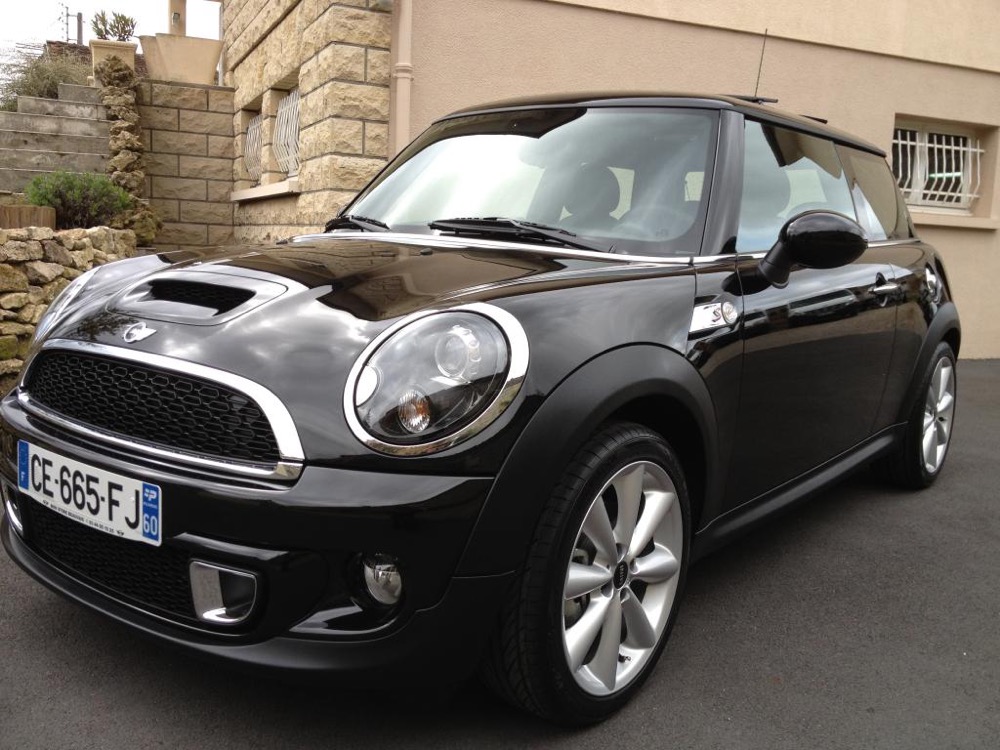
The Mini is a small economy car made by the British Motor Corporation (BMC) and its successors from 1959 until 2000. The original is considered a British icon of the 1960s. The production version of the Mini was demonstrated to the press in April 1959, and by August several thousand cars had been produced ready for the first sales. The Mini was marketed under BMC’s two main brand names, Austin and Morris until 1969, when it became a marque in its own right. The Austin Mini Cooper and Morris Mini Cooper debuted in 1961. The car featured a racing-tuned engine, twin SU carburettors, a closer-ratio gearbox and front disc brakes, uncommon at the time in a small car. A diesel-powered Cooper was available from April 2007, and badged as the Cooper D, which was supplemented in January 2011 with a new 2.0 L diesel for the automatic Cooper and high performance Cooper SD.
Frequently Asked Questions
How do I change a headlight bulb in a MINI Cooper SD?
To change a headlight bulb in a MINI Cooper SD, first, open the hood and locate the back of the headlight housing. Remove the electrical connector by gently pulling it straight out. Twist the bulb holder counterclockwise and pull it out. Replace the old bulb with a new one, ensuring it is securely seated. Reassemble the bulb holder, reconnect the electrical connector, and test the headlight before closing the hood.
How do I check the coolant level in a MINI Cooper SD?
To check the coolant level in a MINI Cooper SD, start with a cold engine. Locate the coolant reservoir, which is usually transparent and situated near the radiator. The coolant level should be between the minimum and maximum marks on the reservoir. If necessary, add a 50/50 mixture of coolant and distilled water to reach the correct level.
How do I jump-start a MINI Cooper SD?
To jump-start a MINI Cooper SD, first, ensure both vehicles are turned off. Connect one end of the positive (red) jumper cable to the positive terminal of the dead battery and the other end to the positive terminal of the working battery. Connect one end of the negative (black) jumper cable to the negative terminal of the working battery and the other end to an unpainted metal surface of the engine block in the MINI Cooper SD. Start the working vehicle, wait a few minutes, and then start the MINI Cooper SD. Once started, carefully remove the jumper cables in reverse order.
How do I replace a windshield wiper blade in a MINI Cooper SD?
To replace a windshield wiper blade in a MINI Cooper SD, lift the wiper arm away from the windshield. Locate the release tab on the wiper blade assembly and press it while pulling the blade away from the arm. Align the new wiper blade with the wiper arm and push it until it clicks into place. Lower the wiper arm back onto the windshield. It is recommended to replace wiper blades annually or when they show signs of wear to ensure clear visibility during inclement weather.
How do I reset the service indicator in a MINI Cooper SD?
To reset the service indicator in a MINI Cooper SD, turn the ignition key to the on position without starting the engine. Press and hold the trip reset button on the instrument cluster until the service symbol and mileage countdown disappear. Release the button, and the service indicator should be reset. It is important to note that this procedure may vary slightly depending on the specific model and year.
How often should the air filter be replaced in a MINI Cooper SD?
The air filter in a MINI Cooper SD should typically be replaced every 15,000 to 30,000 miles, depending on driving conditions. A clean air filter allows for adequate airflow to the engine, maintaining fuel efficiency and preventing potential engine damage. However, in dusty or polluted environments, more frequent replacement may be necessary to ensure optimal engine performance.
How often should the oil be changed in a MINI Cooper SD?
It is recommended to change the oil in a MINI Cooper SD every 10,000 miles or once a year, whichever comes first. Regular oil changes help maintain optimal engine performance and extend its lifespan. Additionally, using the recommended oil viscosity and quality ensures proper lubrication and reduces wear on engine components.
What is the purpose of the ABS system in a MINI Cooper SD?
The ABS (Anti-lock Braking System) in a MINI Cooper SD is designed to prevent wheel lock-up during braking, allowing the driver to maintain steering control. By rapidly modulating brake pressure to individual wheels, the ABS system enhances stability and reduces the risk of skidding on slippery surfaces or during sudden braking. Regular maintenance and prompt repair of ABS-related issues are essential to ensure its proper function and enhance overall vehicle safety.
What is the purpose of the catalytic converter in a MINI Cooper SD?
The catalytic converter in a MINI Cooper SD serves to reduce harmful emissions by converting harmful gases, such as carbon monoxide and nitrogen oxides, into less harmful substances through a series of chemical reactions. This component plays a crucial role in meeting environmental regulations and improving air quality. Regular maintenance and prompt replacement of a failing catalytic converter are necessary to ensure proper engine performance and compliance with emissions standards.
What is the purpose of the fuel filter in a MINI Cooper SD?
The fuel filter in a MINI Cooper SD plays a vital role in maintaining clean fuel delivery to the engine. It prevents contaminants, such as dirt and debris, from reaching the fuel injectors, which could result in poor engine performance and potentially damage the fuel system. Regularly replacing the fuel filter as recommended helps ensure optimal fuel efficiency and engine longevity.
What is the recommended interval for replacing the timing belt in a MINI Cooper SD?
The timing belt in a MINI Cooper SD should be replaced every 60,000 miles or at the specified interval provided in the owner’s manual. Timing belt replacement is crucial, as a worn or damaged belt can lead to engine failure. It is advised to have the timing belt replaced by a certified technician to ensure proper installation and prevent potential engine damage.
What is the recommended tire pressure for a MINI Cooper SD?
The recommended tire pressure for a MINI Cooper SD is typically 32 PSI (pounds per square inch) for both front and rear tires. However, it is important to refer to the specific tire pressure guidelines provided by the manufacturer, as it may vary depending on factors such as load capacity and driving conditions. Proper tire pressure improves handling, fuel efficiency, and tire longevity.
What type of brake fluid should be used in a MINI Cooper SD?
A MINI Cooper SD typically requires DOT 4 brake fluid, which is a high-performance fluid suitable for vehicles equipped with ABS (Anti-lock Braking System). It is essential to use the recommended brake fluid type, as it ensures proper brake system operation and prevents potential damage. Always refer to the owner’s manual or consult a certified technician for accurate information regarding brake fluid selection.
What type of engine does the MINI Cooper SD have?
The MINI Cooper SD is equipped with a 2.0-liter, 4-cylinder turbocharged diesel engine. This engine provides a balance of power and efficiency, making it suitable for both city driving and long trips. The turbocharged technology enhances the engine’s performance, delivering responsive acceleration and smooth driving experience.
What type of transmission fluid is used in a MINI Cooper SD?
A MINI Cooper SD typically uses a specific type of transmission fluid recommended by the manufacturer, such as MINI ATF+4 or an equivalent. It is crucial to use the correct transmission fluid to ensure proper lubrication and optimal transmission performance. Always refer to the owner’s manual or consult a certified technician for accurate information regarding the specific transmission fluid requirements.
 MINI Cooper SD Related Models