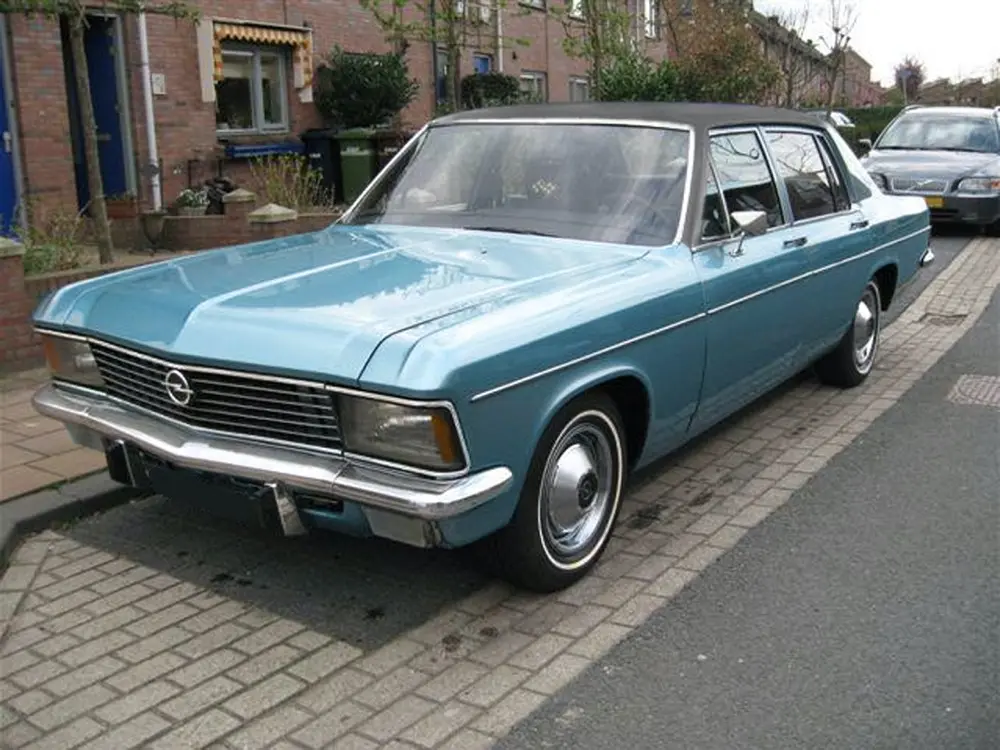
The Opel Diplomat is a luxury car manufactured by Opel. Opel’s top-ranging models were traditionally the Admiral and Kapit?n, introduced in 1938 and 1937 respectively. . At launch these KAD models (Opel Kapit?n, Admiral and Diplomat; also referred to as “The Big Three” by Opel) were available with 2.6 litre or 2.8 litre, in-line six-cylinder petrol engines (100 or 125 PS/99 or 123 hp), or a V8-Chevrolet small-block engine 283 (4.6 litre) teamed with a two-speed Powerglide automatic transmission (190 PS/187 hp). The latter engine was supplanted in the saloon by the V8-Chevrolet small-block Type 327 (5.4 litre) in October 1966 (230 PS/227 hp). As the company’s range-topping model, the Diplomat was available only with the V-8. A Diplomat Coup? (with the 327 engine only) was also available, from 1965 to 1967, in limited numbers. The coup? was built by coachbuilder Karmann and cost DM 25,000 (or as much as 7 Volkswagen Beetles). 347 Coup?s were built.
Frequently Asked Questions
How do I adjust the seat position in my Opel Diplomat?
To adjust the seat position in your Opel Diplomat, locate the seat adjustment controls, which are typically located on the side of the seat or on the door panel. Depending on the seat, you may have controls to adjust the seat height, seatback angle, and fore/aft position. Use the appropriate controls to achieve your desired seating position. It is recommended to familiarize yourself with the specific seat adjustment options and instructions provided in the automotive repair manual for your Opel Diplomat model.
How do I change a flat tire on my Opel Diplomat?
To change a flat tire on your Opel Diplomat, start by locating the spare tire, jack, and lug wrench. Safely park the vehicle on a flat surface and engage the parking brake. Use the lug wrench to loosen the lug nuts on the flat tire, then use the jack to raise the vehicle off the ground. Once the vehicle is lifted, remove the lug nuts, replace the flat tire with the spare tire, and tighten the lug nuts securely before lowering the vehicle back to the ground.
How do I change the oil in my Opel Diplomat?
To change the oil in your Opel Diplomat, start by placing an oil drain pan beneath the vehicle. Locate the oil drain plug on the bottom of the engine and carefully remove it using a wrench. Allow the old oil to drain completely before replacing the drain plug and adding new oil to the engine, making sure to use the recommended oil type and capacity as specified in the Opel Diplomat automotive repair manual.
How do I check and top up the coolant in my Opel Diplomat?
To check and top up the coolant in your Opel Diplomat, start by allowing the engine to cool down completely. Locate the coolant reservoir, typically a translucent plastic tank with a coolant level indicator. Check the current level of coolant against the “Full” or “Max” mark on the tank. If the coolant level is low, carefully remove the cap and add the recommended coolant mixture until it reaches the appropriate level. It is essential to use the correct coolant type and follow the guidelines outlined in the automotive repair manual.
How do I jump-start my Opel Diplomat?
To jump-start your Opel Diplomat, start by locating a functional vehicle with a similar voltage battery and park it close to your car. Ensure both vehicles are turned off and connect one end of the positive jumper cable to the positive terminal of the dead battery and the other end to the positive terminal of the functional battery. Next, connect one end of the negative jumper cable to the negative terminal of the functional battery and the other end to a metal surface on your car away from the battery. Start the functioning vehicle and let it run for a few minutes before attempting to start your Opel Diplomat. Once started, remove the jumper cables in reverse order.
How do I replace a blown fuse in my Opel Diplomat?
To replace a blown fuse in your Opel Diplomat, start by locating the fuse box, which is usually located under the dashboard or in the engine compartment. Use the fuse diagram in the automotive repair manual to identify the specific fuse that needs to be replaced. Once identified, gently pull out the fuse using a fuse puller or a pair of needle-nose pliers and replace it with a new fuse of the same rating. Ensure the new fuse is securely in place before closing the fuse box.
How do I replace a headlight bulb in my Opel Diplomat?
To replace a headlight bulb in your Opel Diplomat, start by opening the hood and locating the back of the headlight assembly. Disconnect the electrical connector from the bulb by gently pressing the release tab and pulling it away. Remove the retaining clip or ring that holds the bulb in place and carefully remove the old bulb. Install the new bulb by reversing the steps, ensuring it is securely seated and aligned correctly. Test the headlight to ensure proper functionality before closing the hood.
How do I replace the cabin air filter in my Opel Diplomat?
To replace the cabin air filter in your Opel Diplomat, start by locating the cabin air filter housing. It is usually located behind the glove box or beneath the dashboard on the passenger side. Open the housing by removing the retaining clips or screws and carefully take out the old filter. Install the new filter by ensuring it is properly aligned and securely in place. Close the housing and test the air conditioning and heating system to ensure proper air flow.
How do I replace the wiper blades on my Opel Diplomat?
To replace the wiper blades on your Opel Diplomat, start by lifting the wiper arm away from the windshield. Locate the small release tab on the wiper blade assembly and press it to unlock the blade. Slide the old blade out of the assembly and insert the new blade, making sure it locks into place. Gently lower the wiper arm back onto the windshield and repeat the process for the other wiper blade. Test the wipers to ensure they are functioning properly.
How do I reset the maintenance light on my Opel Diplomat?
To reset the maintenance light on your Opel Diplomat, start by turning the ignition key to the “ON” position without starting the engine. Within a few seconds, locate and press the “Reset” button on the dashboard until the maintenance light starts flashing. Once the light stops flashing and remains illuminated, turn off the ignition and wait for a few seconds. Turn the ignition back on, and the maintenance light should be reset.
How often should I replace the air filter in my Opel Diplomat?
The air filter in your Opel Diplomat should be replaced regularly to maintain proper engine performance and prevent dust and debris from entering the intake system. It is generally recommended to replace the air filter every 12,000 to 15,000 miles or as specified in the automotive repair manual. However, if you frequently drive in dusty or polluted environments, more frequent replacements may be necessary.
What is the recommended tire pressure for my Opel Diplomat?
The recommended tire pressure for your Opel Diplomat can be found in the automotive repair manual. It is important to maintain the correct tire pressure to ensure optimal performance, fuel efficiency, and tire lifespan. To check the tire pressure, use a tire pressure gauge and adjust the pressure accordingly based on the specifications provided in the manual.
What should I do if my Opel Diplomat is overheating?
If your Opel Diplomat is overheating, it is important to take immediate action to prevent engine damage. Safely pull over to the side of the road and turn off the engine. Allow the vehicle to cool down before opening the hood. Check the coolant level and add coolant if necessary. If the coolant level is adequate, there may be an issue with the radiator, thermostat, or water pump, which should be inspected and repaired by a qualified technician as outlined in the automotive repair manual.
What type of fuel should I use for my Opel Diplomat?
The recommended fuel type for your Opel Diplomat can be found in the automotive repair manual. It is crucial to use the correct fuel to ensure optimal engine performance and fuel efficiency. Typically, Opel Diplomats require unleaded gasoline with a specific octane rating, as specified in the manual. Using a lower octane fuel may result in engine knocking or reduced performance.
