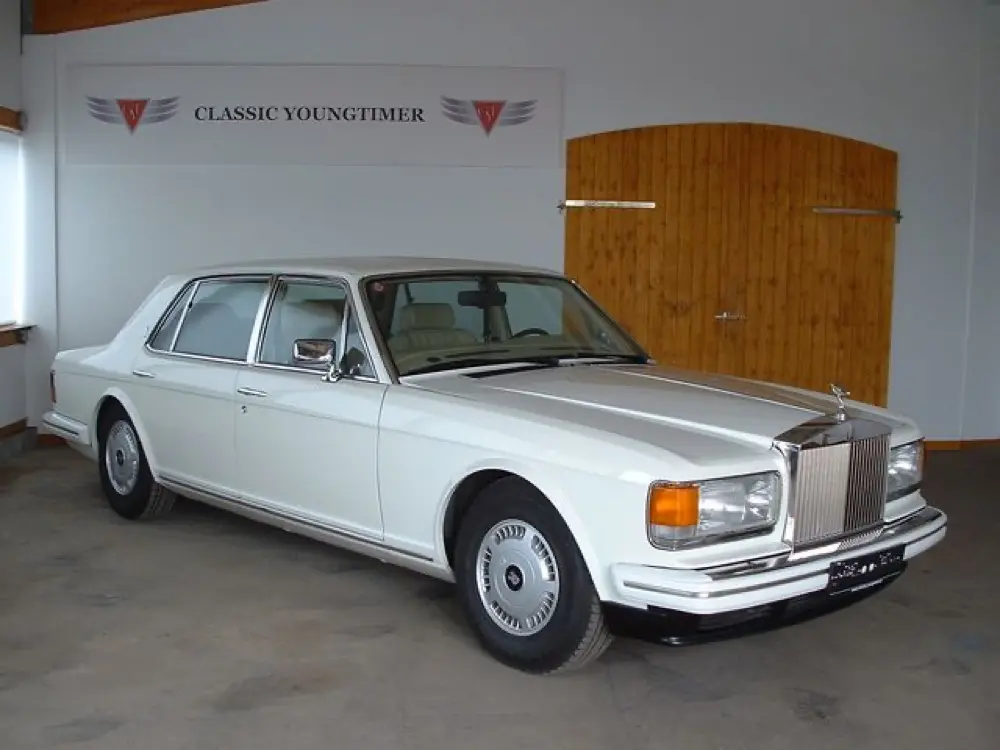
The Silver Spirit, introduced by Rolls-Royce in 1980, was the first of a new generation of models for the company. It formed the basis for the Flying Spur, Silver Dawn, Touring Limousine, Park Ward and apart from branding differences and a different radiator housing also Bentley for the Mulsanne/Eight series. The Spirit/Spur was not entirely new it continued to use the basic design of the Silver Shadow as well as that motor car’s 6.75 L V8 engine and GM sourced THM 400 3-speed automatic transmission. The Spur / Spirit continued the emphasis toward a high degree of ride quality by utilizing the self-leveling suspension from the previous model Silver Shadow, though in this application using a Girling automatic hydraulic ride height control system and gas-charged shock absorbers. The 1994 1995 Flying Spur is a turbocharged, higher performance version of the Silver Spur III. 134 cars were produced.
Frequently Asked Questions
Can I use aftermarket parts for repairs on a Rolls Royce Flying Spur?
While aftermarket parts may be available for certain repairs on a Rolls Royce Flying Spur, it is highly recommended to use genuine OEM (Original Equipment Manufacturer) parts. Genuine OEM parts ensure the best fit, performance, and reliability, as they are specifically designed and tested for the vehicle. Using aftermarket parts may compromise the vehicle’s performance, safety, and warranty coverage.
How do I reset the maintenance light on a Rolls Royce Flying Spur?
To reset the maintenance light on a Rolls Royce Flying Spur, first, ensure that all maintenance tasks have been completed, including oil changes, filter replacements, and other necessary services. Then, locate the maintenance reset button, typically found on the instrument panel or in the glove compartment. Press and hold the button for a few seconds until the maintenance light is reset, indicating that the maintenance schedule has been updated.
How often should the air filter be replaced in a Rolls Royce Flying Spur?
The air filter in a Rolls Royce Flying Spur should be inspected and replaced every 20,000 miles or as indicated by the vehicle’s maintenance schedule. Regular replacement of the air filter helps maintain clean airflow to the engine, improving fuel efficiency and prolonging engine life. However, in dusty or harsh environments, more frequent inspection and replacement may be necessary.
How often should the brake pads be replaced in a Rolls Royce Flying Spur?
The frequency of brake pad replacement in a Rolls Royce Flying Spur can vary depending on driving habits, conditions, and other factors. However, as a general recommendation, brake pads should be inspected every 20,000 miles and replaced if the thickness is below 3mm. Regular maintenance and timely replacement of brake pads are crucial for safe and efficient braking performance.
How often should the coolant be flushed in a Rolls Royce Flying Spur?
The coolant in a Rolls Royce Flying Spur should be flushed and replaced according to the manufacturer’s recommended maintenance schedule, typically every 5 years or 60,000 miles. Regular coolant flushing helps prevent corrosion, maintains proper cooling efficiency, and extends the life of the cooling system components. Neglecting to flush and replace the coolant can lead to engine overheating and potential damage.
How often should the oil be changed in a Rolls Royce Flying Spur?
In order to maintain optimal engine performance, it is recommended to change the oil in a Rolls Royce Flying Spur every 10,000 miles or once a year, whichever comes first. Regular oil changes are essential for the longevity of the engine and to prevent potential damage caused by dirty or degraded oil. It is also important to use the recommended oil type specified in the owner’s manual.
How often should the spark plugs be replaced in a Rolls Royce Flying Spur?
The spark plugs in a Rolls Royce Flying Spur typically have a recommended replacement interval of 60,000 miles. However, it is important to consult the owner’s manual for the specific recommendation for the model and engine type. Regular replacement of spark plugs ensures optimal ignition performance, fuel efficiency, and smooth engine operation.
How often should the timing belt be replaced in a Rolls Royce Flying Spur?
The timing belt in a Rolls Royce Flying Spur typically has a recommended replacement interval of every 60,000-90,000 miles or as specified in the owner’s manual. Regular timing belt replacement is essential to prevent potential engine damage in the event of belt failure. It is important to consult the vehicle’s maintenance schedule and adhere to the recommended replacement interval.
How often should the transmission fluid be flushed in a Rolls Royce Flying Spur?
The transmission fluid in a Rolls Royce Flying Spur should be flushed and replaced according to the manufacturer’s recommended maintenance schedule, typically around 80,000 miles. Regular maintenance of the transmission fluid is crucial for optimal transmission performance and longevity. Neglecting to flush and replace the transmission fluid can lead to shifting issues and premature wear of transmission components.
What is the recommended battery replacement interval for a Rolls Royce Flying Spur?
The recommended battery replacement interval for a Rolls Royce Flying Spur can vary depending on various factors, including climate, driving conditions, and battery type. However, on average, batteries should be replaced every 3-5 years to ensure reliable starting and electrical system performance. Regular battery inspections and testing can help determine the appropriate replacement interval for a specific vehicle.
What is the recommended coolant for a Rolls Royce Flying Spur?
The recommended coolant for a Rolls Royce Flying Spur is a high-quality ethylene glycol-based coolant that meets the specifications outlined in the owner’s manual. It is essential to use the correct coolant to maintain proper engine cooling and prevent overheating. Mixing different coolant types or using improper coolant can lead to engine damage or cooling system malfunctions.
What is the recommended tire pressure for a Rolls Royce Flying Spur?
The recommended tire pressure for a Rolls Royce Flying Spur can vary slightly depending on the model and specific tire size. However, as a general guideline, the tire pressure should be maintained between 32-36 psi (pounds per square inch) for optimal performance and safety. It is important to regularly check the tire pressure and adjust it as needed to ensure proper handling and tire longevity.
What is the towing capacity of a Rolls Royce Flying Spur?
The Rolls Royce Flying Spur is not designed or recommended for towing purposes. It is primarily a luxury sedan focused on providing a comfortable and refined driving experience. Attempting to tow with a Flying Spur can put excessive strain on the vehicle’s components and compromise safety and performance.
What type of engine does the Rolls Royce Flying Spur have?
The Rolls Royce Flying Spur is equipped with a 6.0-liter twin-turbocharged W12 engine. This powerful engine provides the car with exceptional performance and a smooth driving experience. It delivers impressive acceleration and ensures a refined and effortless driving experience, perfect for luxury sedan enthusiasts.
What type of fuel does the Rolls Royce Flying Spur require?
The Rolls Royce Flying Spur requires premium unleaded gasoline with a minimum octane rating of 91. Higher octane fuels can also be used, but it is important to avoid using lower octane fuels to prevent engine knocking or performance issues. Using the recommended fuel type ensures optimal engine performance and efficiency.
