
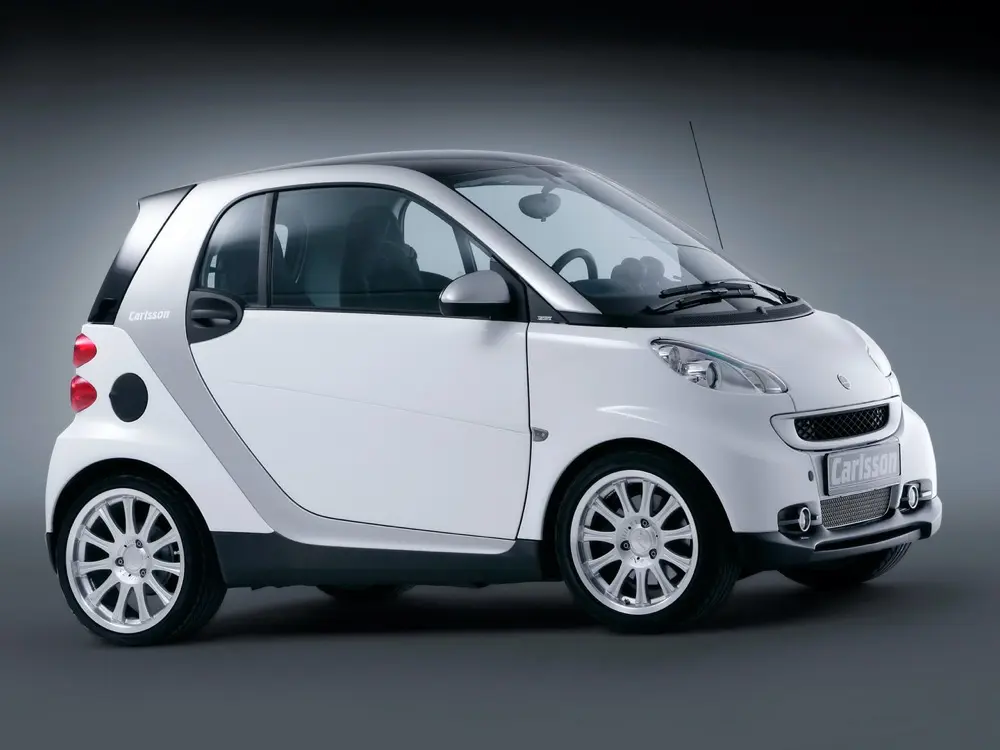
The Smart Fortwo is rear-engined two-seater kei car which was introduced at the 1998 Paris Motor Show as a smart city coupe by Daimler AG. Its length is only 2.5 meter, as a result it allows back-in parking. Two Smarts can be parked in a parking space for one regular sized car. In 2007 an all-electric version of Smart Fortwo was released. It is produced as a 3-door hatchback or 2-door convertible car and it employs an automated manual transmission. It is available with petrol and diesel engines. Two generations of Fortwo have been released so far.
Frequently Asked Questions
How do I change the oil in a Smart ForTwo?
To change the oil in a Smart ForTwo, you will need to locate the oil drain plug underneath the car and remove it using a wrench. Once the oil has drained completely, replace the drain plug and remove the oil filter using an oil filter wrench. Install a new oil filter and fill the engine with the recommended amount and type of oil as specified in the Smart ForTwo automotive repair manual.
How do I check the transmission fluid level in a Smart ForTwo?
To check the transmission fluid level in a Smart ForTwo, start the engine and allow it to idle for a few minutes to warm up. Locate the transmission dipstick, usually located near the back of the engine bay, and remove it. Wipe the dipstick clean, reinsert it fully, then withdraw it again and check the fluid level. The correct fluid level should be within the designated range indicated on the dipstick. If the level is low, add the recommended transmission fluid as specified in the Smart ForTwo automotive repair manual.
How do I diagnose a faulty starter motor in a Smart ForTwo?
Diagnosing a faulty starter motor in a Smart ForTwo involves several steps. First, check the battery to ensure it has sufficient charge. If the battery is in good condition, inspect the starter solenoid and wiring connections for any loose or corroded contacts. Use a multimeter to check for voltage at the starter motor terminals while attempting to start the vehicle. If no voltage is present, it may indicate a faulty starter motor that needs replacement. Refer to the Smart ForTwo automotive repair manual for detailed diagnostic procedures.
How do I diagnose a misfire in a Smart ForTwo?
Diagnosing a misfire in a Smart ForTwo requires a systematic approach. Start by checking the spark plugs and ignition coils for any signs of wear or damage. Inspect the fuel injectors for clogs or leaks, and ensure that the air filter is clean. If the issue persists, it may be necessary to perform a compression test or check for vacuum leaks. Consult the Smart ForTwo automotive repair manual for detailed diagnostic procedures.
How do I replace a burnt-out headlight in a Smart ForTwo?
To replace a burnt-out headlight in a Smart ForTwo, locate the headlight assembly behind the front grille and disconnect the electrical connector from the back of the headlight bulb. Twist the bulb counterclockwise to remove it from the assembly, then insert a new bulb and twist it clockwise to secure it. Reconnect the electrical connector and test the headlight to ensure proper functionality.
How do I replace a damaged side mirror in a Smart ForTwo?
To replace a damaged side mirror in a Smart ForTwo, first remove the interior door panel to gain access to the mirror mounting bolts. Disconnect the electrical connector from the mirror assembly and remove the mounting bolts using a wrench or socket. Carefully remove the damaged mirror and install the new mirror in its place, securing it with the mounting bolts. Reconnect the electrical connector and reattach the door panel.
How do I replace a malfunctioning brake light in a Smart ForTwo?
To replace a malfunctioning brake light in a Smart ForTwo, open the rear hatch or trunk and locate the access panel on the inside of the vehicle near the brake light assembly. Remove the access panel and disconnect the electrical connector from the back of the faulty brake light bulb. Twist the bulb counterclockwise to remove it, then insert a new bulb and twist it clockwise to secure it. Reconnect the electrical connector and test the brake light to ensure proper functionality.
How do I replace a malfunctioning power window motor in a Smart ForTwo?
To replace a malfunctioning power window motor in a Smart ForTwo, first remove the door panel to gain access to the window regulator and motor assembly. Disconnect the electrical connector from the faulty motor and remove the mounting bolts or screws that secure it in place. Carefully remove the motor from the regulator and install the new motor, ensuring proper alignment. Reconnect the electrical connector and reassemble the door panel.
How do I replace a worn-out serpentine belt in a Smart ForTwo?
To replace a worn-out serpentine belt in a Smart ForTwo, locate the belt tensioner pulley and use a wrench or socket to release the tension on the belt. Slide the belt off the pulleys and remove it from the engine bay. Install the new serpentine belt by routing it correctly around the pulleys, ensuring it follows the designated path as shown in the Smart ForTwo automotive repair manual. Finally, release the tensioner pulley to apply proper tension to the new belt.
How do I reset the service indicator light in a Smart ForTwo?
To reset the service indicator light in a Smart ForTwo, turn the ignition key to the first position (but do not start the engine). Within the first four seconds, press and hold the trip reset button located on the instrument cluster. After about 10 seconds, the service indicator light should flash and reset. Release the trip reset button and turn off the ignition. When you start the engine again, the service indicator light should no longer be illuminated.
How often should I replace the cabin air filter in a Smart ForTwo?
The cabin air filter in a Smart ForTwo should be replaced every 12,000 to 15,000 miles or as specified in the maintenance schedule of the automotive repair manual. However, if you frequently drive in dusty or polluted areas, it may be necessary to replace the cabin air filter more frequently. A clogged or dirty cabin air filter can restrict airflow and decrease the efficiency of the vehicle’s heating, ventilation, and air conditioning system.
What are common causes of engine overheating in a Smart ForTwo?
Engine overheating in a Smart ForTwo can be caused by a variety of factors, such as a malfunctioning thermostat, a leaking radiator, a faulty water pump, or low coolant levels. It is important to check the coolant level regularly and inspect the cooling system for any leaks or malfunctions. If the engine continues to overheat, it is advisable to consult the Smart ForTwo automotive repair manual for further troubleshooting steps.
What is the recommended interval for changing the engine air filter in a Smart ForTwo?
The recommended interval for changing the engine air filter in a Smart ForTwo varies depending on driving conditions and the environment. Generally, it is recommended to inspect the air filter every 12,000 to 15,000 miles and replace it if it appears dirty or clogged. Regularly changing the engine air filter helps ensure optimal engine performance and fuel efficiency.
What is the recommended tire pressure for a Smart ForTwo?
The recommended tire pressure for a Smart ForTwo can vary depending on the specific model and tire size. It is best to consult the Smart ForTwo automotive repair manual or the tire placard located on the driver’s side door jamb for the correct tire pressure. Maintaining the proper tire pressure is important for optimal handling, fuel efficiency, and tire longevity.
What type of coolant should I use in a Smart ForTwo?
It is recommended to use a coolant that meets the specifications outlined in the Smart ForTwo automotive repair manual. Typically, a coolant with a mixture of ethylene glycol and water is suitable for most Smart ForTwo models. It is important to use the correct coolant type and maintain the proper coolant-to-water ratio to prevent engine overheating and corrosion within the cooling system.