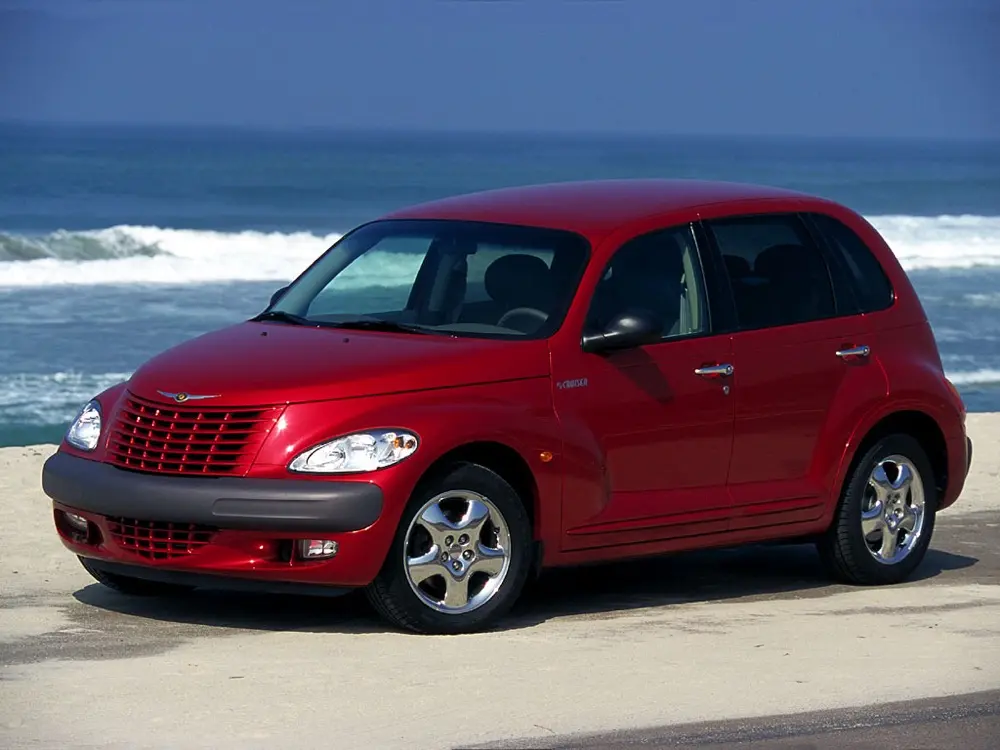
The Chrysler PT Cruiser is a retro styled compact automobile officially launched by Chrysler as a 5-door hatchback in early 2000 (for the 2001 model year) and as a 2-door convertible in early 2005. A four-seat convertible model was added for 2005. It is a two-door with an integrated “sport bar” for added rigidity and rollover protection. Convertible production ceased in December 2007, but the last 2007 convertibles were marketed as 2008 models. On July 9, 2010 the PT Cruiser ended production. In total, 1,35 million units were manufactured.
Frequently Asked Questions
How do I change the spark plugs in a Chrysler PT Cruiser?
To change the spark plugs in a Chrysler PT Cruiser, start by disconnecting the negative battery cable. Remove the spark plug wires and then remove the old spark plugs. Install the new spark plugs and reconnect the spark plug wires. Finally, reconnect the negative battery cable.
How do I replace the alternator in a Chrysler PT Cruiser?
To replace the alternator in a Chrysler PT Cruiser, start by disconnecting the negative battery cable. Remove the drive belt and then disconnect the wiring harness and mounting bolts. Remove the old alternator and install the new one, making sure it is properly oriented. Reconnect the wiring harness, mounting bolts, and drive belt. Finally, reconnect the negative battery cable.
How do I replace the battery in a Chrysler PT Cruiser?
To replace the battery in a Chrysler PT Cruiser, start by disconnecting the negative battery cable and then the positive battery cable. Remove the battery hold-down bracket and then the battery. Install the new battery and reconnect the positive battery cable followed by the negative battery cable. Finally, secure the battery hold-down bracket.
How do I replace the brake pads in a Chrysler PT Cruiser?
To replace the brake pads in a Chrysler PT Cruiser, start by removing the wheel and then the brake caliper. Remove the old brake pads and then compress the caliper piston using a C-clamp. Install the new brake pads and then reinstall the brake caliper. Finally, reinstall the wheel and repeat the process for the other side.
How do I replace the cabin air filter in a Chrysler PT Cruiser?
To replace the cabin air filter in a Chrysler PT Cruiser, start by locating the filter compartment under the dashboard on the passenger side. Remove the cover and then remove the old filter. Install the new filter, making sure it is properly positioned and oriented. Finally, replace the cover.
How do I replace the fuel filter in a Chrysler PT Cruiser?
To replace the fuel filter in a Chrysler PT Cruiser, start by relieving the fuel pressure and then disconnecting the negative battery cable. Locate the fuel filter and then disconnect the fuel lines. Remove the old fuel filter and then install the new one, making sure it is properly oriented. Reconnect the fuel lines and the negative battery cable.
How do I replace the headlights in a Chrysler PT Cruiser?
To replace the headlights in a Chrysler PT Cruiser, start by opening the hood and locating the headlight assembly. Disconnect the wiring harness and then remove the retaining clips or screws. Remove the old headlight and install the new one. Reconnect the wiring harness and reinstall the retaining clips or screws.
How do I replace the oxygen sensor in a Chrysler PT Cruiser?
To replace the oxygen sensor in a Chrysler PT Cruiser, start by locating the sensor on the exhaust pipe. Disconnect the wiring harness and then remove the old sensor using a sensor removal tool. Install the new sensor and reconnect the wiring harness.
How do I replace the power steering pump in a Chrysler PT Cruiser?
To replace the power steering pump in a Chrysler PT Cruiser, start by disconnecting the negative battery cable. Remove the drive belt and then disconnect the power steering lines. Remove the mounting bolts and then remove the old pump. Install the new pump and reconnect the power steering lines and drive belt. Finally, reconnect the negative battery cable.
How do I replace the serpentine belt in a Chrysler PT Cruiser?
To replace the serpentine belt in a Chrysler PT Cruiser, start by locating the belt tensioner and releasing tension on the belt. Remove the old belt and then install the new belt, following the correct belt routing diagram. Finally, release tension on the tensioner and ensure the belt is properly tensioned.
How do I troubleshoot a problem with the air conditioning system in my Chrysler PT Cruiser?
To troubleshoot a problem with the air conditioning system in a Chrysler PT Cruiser, start by checking the refrigerant level and examining the compressor, condenser, and evaporator for damage. If the refrigerant level is low, it could indicate a leak in the system. Damage to the compressor, condenser, or evaporator could also cause problems with the air conditioning system.
What are the common causes of engine overheating in a Chrysler PT Cruiser?
The common causes of engine overheating in a Chrysler PT Cruiser include a malfunctioning thermostat, a faulty water pump, a leaking radiator, or a broken cooling fan. A malfunctioning thermostat can cause the engine to overheat by not allowing coolant to flow properly. A faulty water pump can cause coolant to not circulate properly, leading to overheating. A leaking radiator can cause a loss of coolant, which can also lead to engine overheating.
What is the recommended coolant for a Chrysler PT Cruiser?
The recommended coolant for a Chrysler PT Cruiser is a mixture of 50% ethylene glycol antifreeze and 50% distilled water. It is important to use the recommended coolant to prevent damage to the cooling system and ensure proper engine performance.
What is the recommended oil type and oil filter for a Chrysler PT Cruiser?
The recommended oil type for a Chrysler PT Cruiser is 5W-20 or 5W-30 synthetic blend oil. The recommended oil filter is the Mopar MO-090 or equivalent. It is important to use the recommended oil and oil filter to ensure proper engine performance and longevity.
What is the recommended tire pressure for a Chrysler PT Cruiser?
The recommended tire pressure for a Chrysler PT Cruiser is 32 psi for all four tires. It is important to check tire pressure regularly to ensure proper handling and fuel efficiency.
