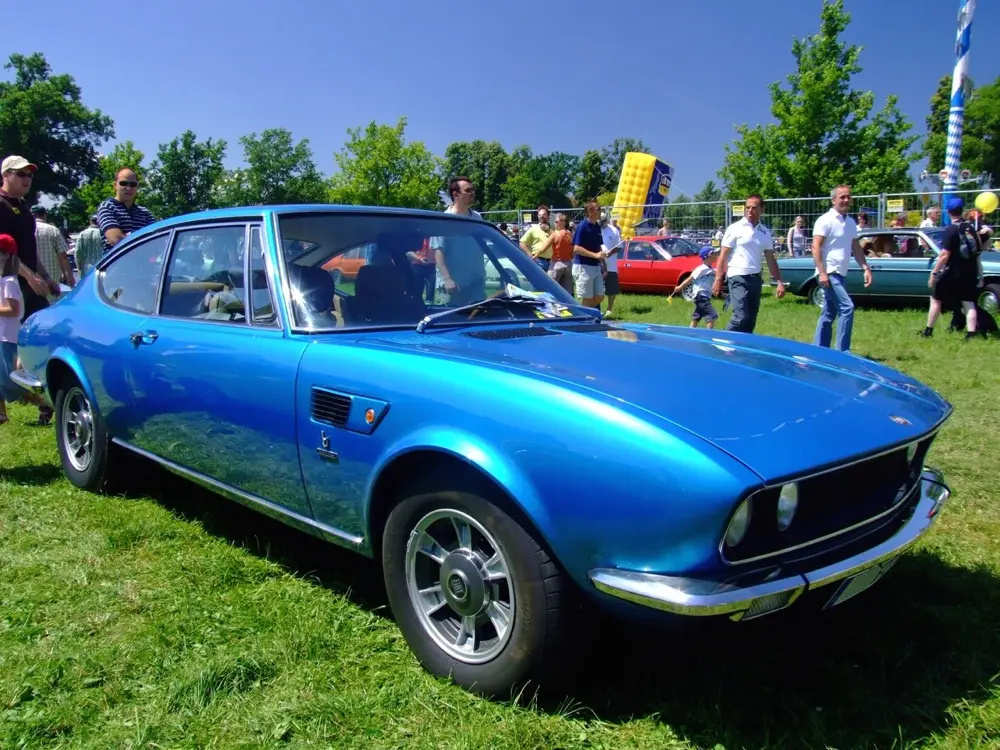
The Fiat Dino (Type 135) is a front-engined, rear-drive sports car manufactured between 1966 and 1973. It was an intermediate step towards creating Ferrari’s “Dino” and the two are often confused. The car was first offered with a 2.0-litre, 160 PS (118 kW; 158 hp) V-6, with a 5-speed manual transmission. Two body designs were made and manufactured for Fiat; the Spider by Pininfarina and the Coup? by Bertone. The Fiat Dino Spider was introduced at Turin Motor Show 1966 and Coup? version one year later at the Geneva Motorshow. Of the 7,803 vehicles produced, 26% were spiders and 74% were coup?s.
Frequently Asked Questions
How do I bleed the brakes on a Fiat Dino?
To bleed the brakes on a Fiat Dino, first start with the brake farthest from the master cylinder. Attach a clear hose to the bleeder valve and submerge the other end in a container of brake fluid. Have someone pump the brakes several times, then hold the pedal down while you open the bleeder valve to release any air bubbles. Repeat this process for each brake until all air bubbles are removed.
How do I check the coolant level on a Fiat Dino?
To check the coolant level on a Fiat Dino, first ensure the engine is cool. Then, locate the coolant reservoir and check the level against the “min” and “max” marks on the side of the reservoir. If the level is low, add a mixture of coolant and distilled water to the reservoir until it reaches the “max” mark.
How do I check the transmission fluid level on a Fiat Dino?
To check the transmission fluid level on a Fiat Dino, first ensure the car is parked on a level surface and the engine is at operating temperature. Then, remove the dipstick and wipe it clean. Reinsert the dipstick and remove it again to check the fluid level. The fluid level should be between the “min” and “max” marks on the dipstick.
How do I replace the air filter on a Fiat Dino?
To replace the air filter on a Fiat Dino, first locate the air filter housing and remove the cover. Then, remove the old air filter and replace it with a new one. It is important to properly seal the air filter housing to prevent dirt and debris from entering the engine.
How do I replace the alternator on a Fiat Dino?
To replace the alternator on a Fiat Dino, first disconnect the battery and remove the drive belt. Then, remove the electrical connections and mounting bolts to remove the old alternator. Install the new alternator and reconnect the electrical connections and drive belt.
How do I replace the brake pads on a Fiat Dino?
To replace the brake pads on a Fiat Dino, first remove the wheel and caliper. Then, remove the old brake pads and replace them with new ones. It is important to properly torque the caliper bolts and pump the brakes several times before driving to ensure proper braking performance.
How do I replace the fuel filter on a Fiat Dino?
To replace the fuel filter on a Fiat Dino, first locate the fuel filter and remove it from the fuel line. Then, install the new fuel filter and reconnect the fuel line. It is important to properly tighten the connections and check for leaks before starting the engine.
How do I replace the radiator on a Fiat Dino?
To replace the radiator on a Fiat Dino, first disconnect the battery and drain the coolant from the engine. Then, remove the fan, hoses, and mounting bolts to remove the old radiator. Install the new radiator and reconnect the fan, hoses, and mounting bolts. Refill the engine with coolant and check for leaks before starting the engine.
How do I replace the spark plugs on a Fiat Dino?
To replace the spark plugs on a Fiat Dino, first remove the old spark plugs and inspect them for signs of wear. Then, install new spark plugs and torque them to the recommended specifications. It is important to use the correct spark plugs to ensure optimal engine performance.
How do I replace the thermostat on a Fiat Dino?
To replace the thermostat on a Fiat Dino, first drain the coolant from the engine. Then, remove the thermostat housing and old thermostat. Install the new thermostat and housing, and refill the engine with coolant. It is important to properly bleed the cooling system to ensure proper operation.
How do I troubleshoot a faulty fuel pump on a Fiat Dino?
If the fuel pump on a Fiat Dino is faulty, the engine may not start or may stall while driving. The first step in troubleshooting is to check the fuel pump fuse and relay to ensure they are in good condition. If the fuse and relay are good, the fuel pump may need to be replaced.
How do I troubleshoot a faulty starter on a Fiat Dino?
If the starter on a Fiat Dino is faulty, it may make a clicking noise or fail to turn the engine over. The first step in troubleshooting is to check the battery and connections to ensure they are in good condition. If the battery and connections are good, the starter may need to be replaced or repaired.
How often should the timing belt be replaced on a Fiat Dino?
The timing belt on a Fiat Dino should be replaced every 50,000 miles or every 5 years, whichever comes first. This is important to prevent the belt from breaking and causing damage to the engine. It is recommended to replace the tensioner and water pump at the same time as the timing belt.
What is the recommended oil type for a Fiat Dino?
The recommended oil type for a Fiat Dino is a 20W-50 mineral oil. This type of oil is able to withstand high temperatures and provides good lubrication to the engine. It is important to use the recommended oil type to ensure optimal performance and longevity of the engine.
What is the recommended tire pressure for a Fiat Dino?
The recommended tire pressure for a Fiat Dino is 28 psi for the front tires and 32 psi for the rear tires. It is important to check the tire pressure regularly and adjust it as needed to ensure optimal handling and fuel efficiency.
