
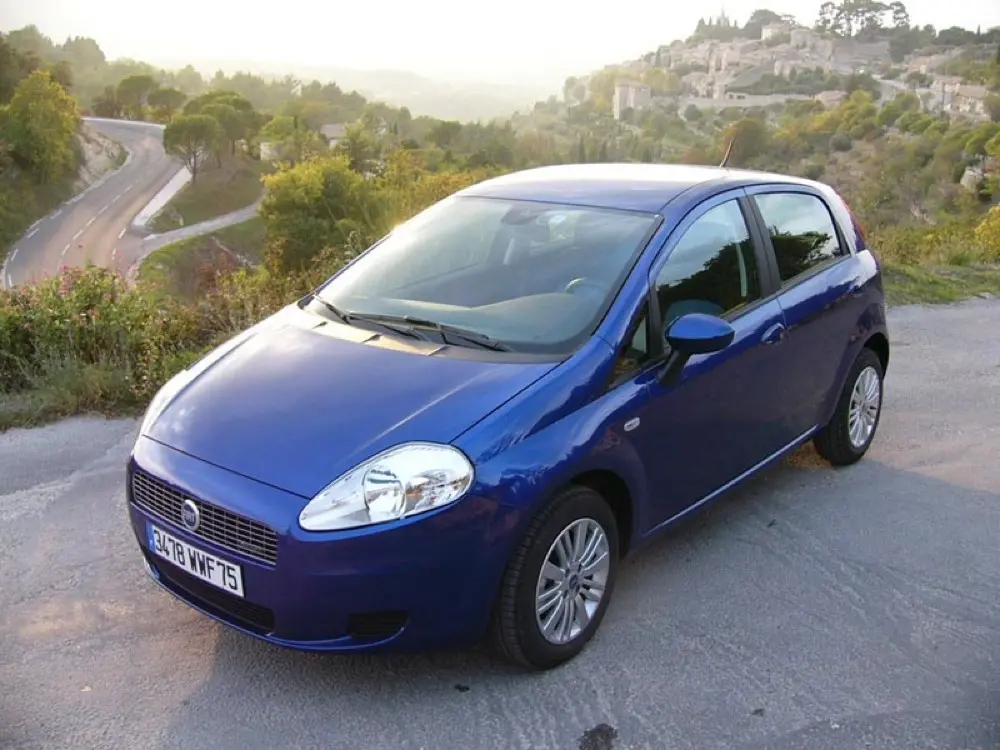
The Fiat Punto is a supermini car produced by the Italian manufacturer Fiat since 1993, spanning over three generations. Internally codenamed Project 176, the Punto was announced in September 1993 as a replacement for the ageing Fiat Uno and launched in late 1993/early 1994. Entry-level in the Punto range were the 1.1 and 1.2 L petrol engines and the 1.7 diesel engine. Fiat Punto Cabrio was produced between 1993 and 1999. As of February 2012, nearly 8.5 million Fiat Punto units had been produced.
Frequently Asked Questions
How do I change the oil on a Fiat Punto?
Changing the oil on a Fiat Punto requires draining the old oil from the oil pan and replacing it with new oil. It is important to use the correct grade of oil recommended in the owner’s manual and to replace the oil filter during the oil change. Always make sure to dispose of the old oil properly.
How do I replace the air filter on a Fiat Punto?
Replacing the air filter on a Fiat Punto involves locating the air filter housing, removing the old filter, and installing the new one. It is important to use the correct size and type of air filter recommended in the owner’s manual. A dirty air filter can reduce engine performance and fuel efficiency.
How do I replace the brake pads on a Fiat Punto?
Replacing the brake pads on a Fiat Punto involves removing the wheel, caliper, and old brake pads. The new brake pads should be installed in the same position as the old ones and the caliper should be reattached. It is important to properly torque all bolts and to pump the brake pedal several times before driving the vehicle.
How do I replace the cabin air filter on a Fiat Punto?
Replacing the cabin air filter on a Fiat Punto involves locating the filter housing, removing the old filter, and installing the new one. It is recommended to use a high-quality cabin air filter to improve air quality inside the vehicle. A dirty cabin air filter can reduce the effectiveness of the HVAC system and cause unpleasant odors inside the vehicle.
How do I replace the fuel filter on a Fiat Punto?
Replacing the fuel filter on a Fiat Punto involves locating the filter housing, removing the old filter, and installing the new one. It is important to use the correct type and size of fuel filter recommended in the owner’s manual. A clogged fuel filter can cause reduced engine performance and fuel efficiency.
How do I replace the serpentine belt on a Fiat Punto?
Replacing the serpentine belt on a Fiat Punto involves releasing tension on the belt tensioner, removing the old belt, and installing the new one. It is important to route the belt correctly around all pulleys and to ensure the belt is properly tensioned. A worn or damaged serpentine belt can cause engine overheating and accessory failure.
How do I replace the spark plugs on a Fiat Punto?
Replacing the spark plugs on a Fiat Punto involves removing the old spark plugs and installing the new ones. It is important to use the correct type and heat range of spark plugs recommended in the owner’s manual. Worn spark plugs can cause misfires and reduced engine performance.
How do I replace the thermostat on a Fiat Punto?
Replacing the thermostat on a Fiat Punto involves draining the coolant, removing the old thermostat, and installing the new one. It is important to use the correct type and temperature range of thermostat recommended in the owner’s manual. A faulty thermostat can cause engine overheating and reduced engine performance.
What is causing my Fiat Punto’s AC to blow warm air?
A Fiat Punto’s AC system blowing warm air could be caused by low refrigerant levels, a clogged AC condenser, or a faulty compressor. It is recommended to have the AC system inspected to determine the root cause of the issue. Regular AC system maintenance, including refrigerant recharging and filter replacement, can help prevent AC system issues.
What is causing my Fiat Punto’s battery to keep dying?
A dying battery in a Fiat Punto could be caused by a faulty alternator, corroded battery terminals, or a parasitic draw on the battery. It is recommended to have the battery and alternator tested to determine the root cause of the issue. Cleaning the battery terminals and ensuring a tight connection can also help prevent battery drain.
What is causing my Fiat Punto’s check engine light to come on?
The check engine light in a Fiat Punto can come on for a variety of reasons, including a faulty oxygen sensor, catalytic converter, or mass airflow sensor. It could also be due to a loose gas cap or a vacuum leak. A diagnostic scan is recommended to determine the specific issue causing the check engine light to come on.
What is causing my Fiat Punto’s engine to misfire?
A misfiring engine in a Fiat Punto could be caused by a variety of issues, including a faulty ignition coil, spark plugs, or fuel injectors. It could also be due to a clogged air filter or fuel filter. A diagnostic scan is recommended to pinpoint the exact cause of the misfire.
What is causing my Fiat Punto’s power steering to fail?
Power steering failure in a Fiat Punto could be caused by low power steering fluid, a faulty power steering pump, or a leak in the power steering system. It is recommended to check the power steering fluid level and condition first. If the fluid level is low or the fluid is dirty, it should be flushed and replaced. A diagnostic scan is recommended to determine if any other issues are present.
What is causing my Fiat Punto’s starter to fail?
Starter failure in a Fiat Punto could be caused by a faulty starter motor, a weak or dead battery, or a faulty ignition switch. It is recommended to have the battery and starter tested to determine the root cause of the issue. Regular battery maintenance, including cleaning the terminals and ensuring a tight connection, can help prevent starter issues.
What is causing my Fiat Punto’s transmission to slip?
A slipping transmission in a Fiat Punto could be caused by low transmission fluid, a faulty torque converter, or worn clutch plates. It is recommended to check the transmission fluid level and condition first. If the fluid is low or dirty, it should be flushed and replaced. A diagnostic scan is recommended to determine if any other issues are present.
