Introduction – Lifetime Production Numbers: Over 16,000,000
Ford first unveiled the Fiesta in Europe in 1976. A risky bid for the US car giant, since superminis were an uncharted-space, and fears of not turning a profit were high. It has since become one of the most popular Ford models around the globe. With over 16-million units having sold as of 2019. One of the most successful markets for the Fiesta is Britain, where it held the title of “Most Popular New Car” 9 separate times between 1990 and 2012.
From humble beginnings to a worldwide sensation – let’s now look at each of the generational changes the Ford Fiesta has gone through.
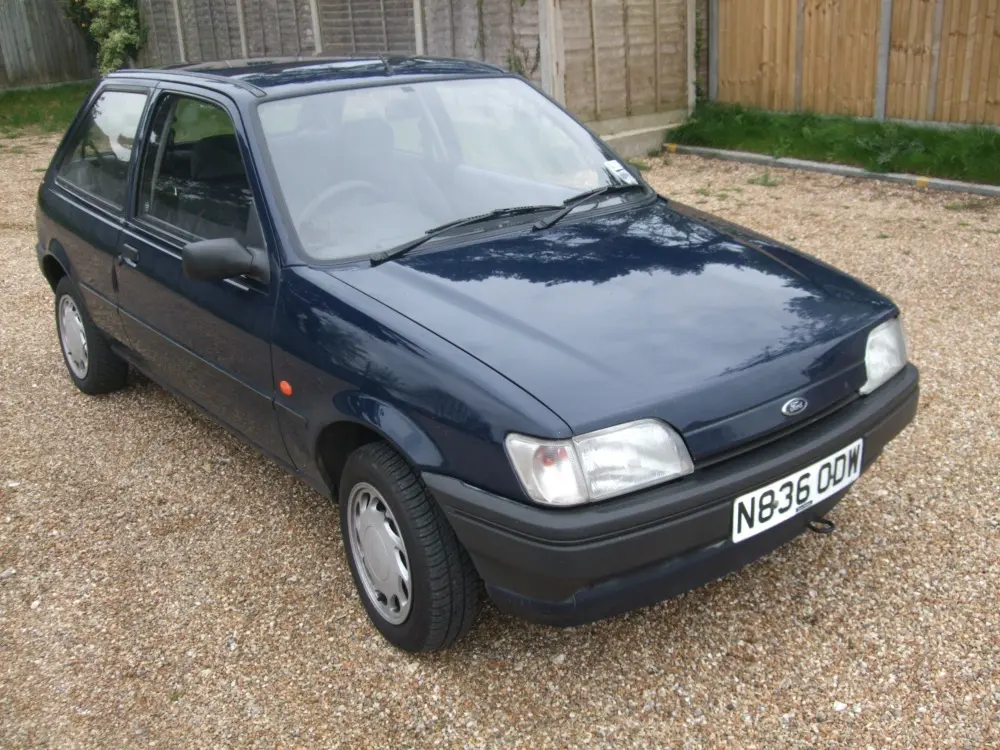
First Generation (1976-1983)
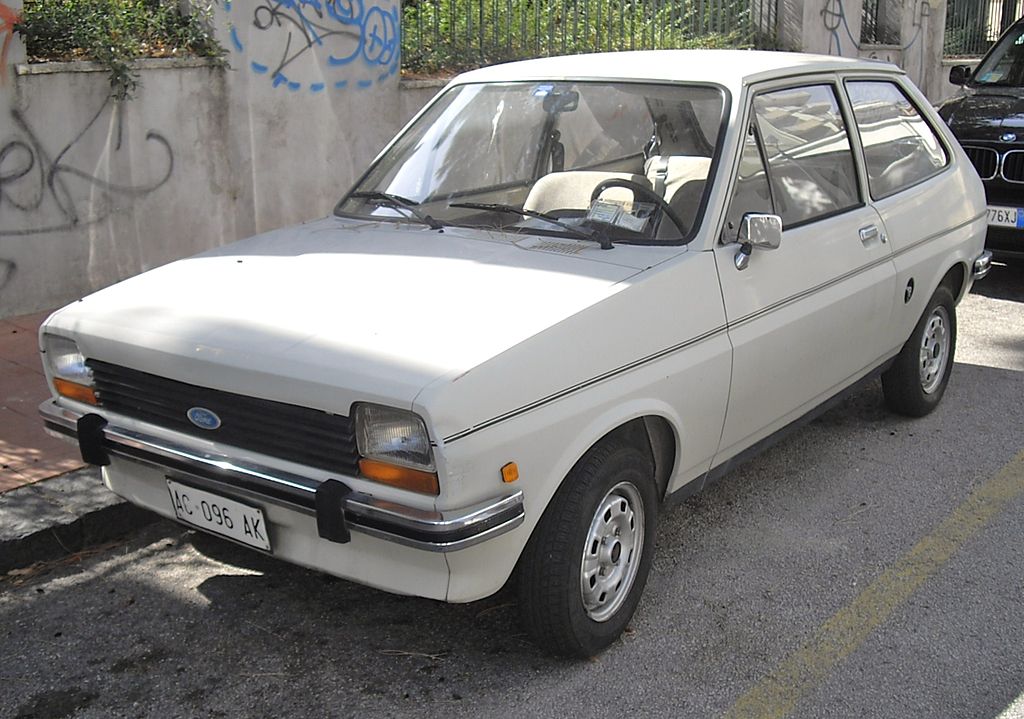
The 1973 oil crisis sparked a need for more fuel-efficient vehicles like never before – the Fiesta was Ford’s response. The first-generation came with two engine choices, a 0.9-liter, and a 1.1-liter 4-cylinder capable of reaching a top speed of up to 81-MPH. It was the first front-wheel-drive car available by Ford, and only the second mini hatchback available in the UK. By 1980, Ford had sold more than 1-million Fiestas. By 1982, that number doubled to 2-million, making it the best-selling car in Britain at the time.
In 1981, a new, more powerful 1.6-liter engine became available in the XR2 package, raising the top speed of the Fiesta to 100-MPH.
Second Generation (1983-1989)
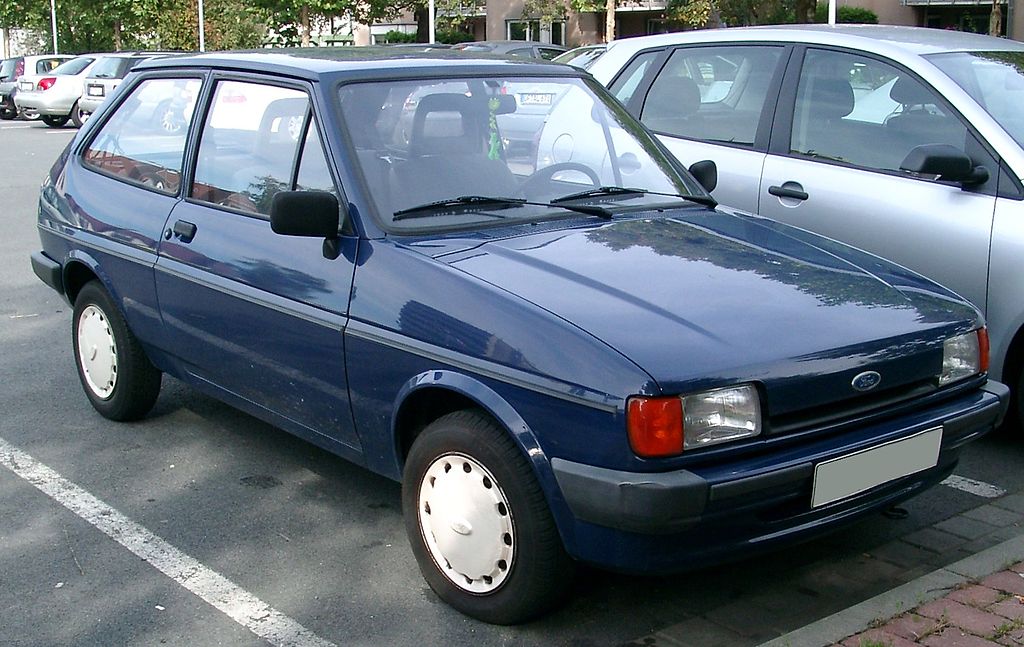
Arriving in August of 1983, the second-gen Fiesta featured an all-new front-end and interior. By this time, Ford had a new level of confidence in its supermini and began widening its offerings, starting with a 1.6-liter diesel variant. In 1984, the sportier XR2 made its way to the gen two Fiesta, paired with a 5-speed manual and upgraded brakes and suspension.
By 1987, the Fiesta enjoyed its best sales year ever in Britain, with over 150,000 units having sold. At the end of its second-generation, the Fiesta had become a name that everyone knew.
Third Generation (1989-1995)
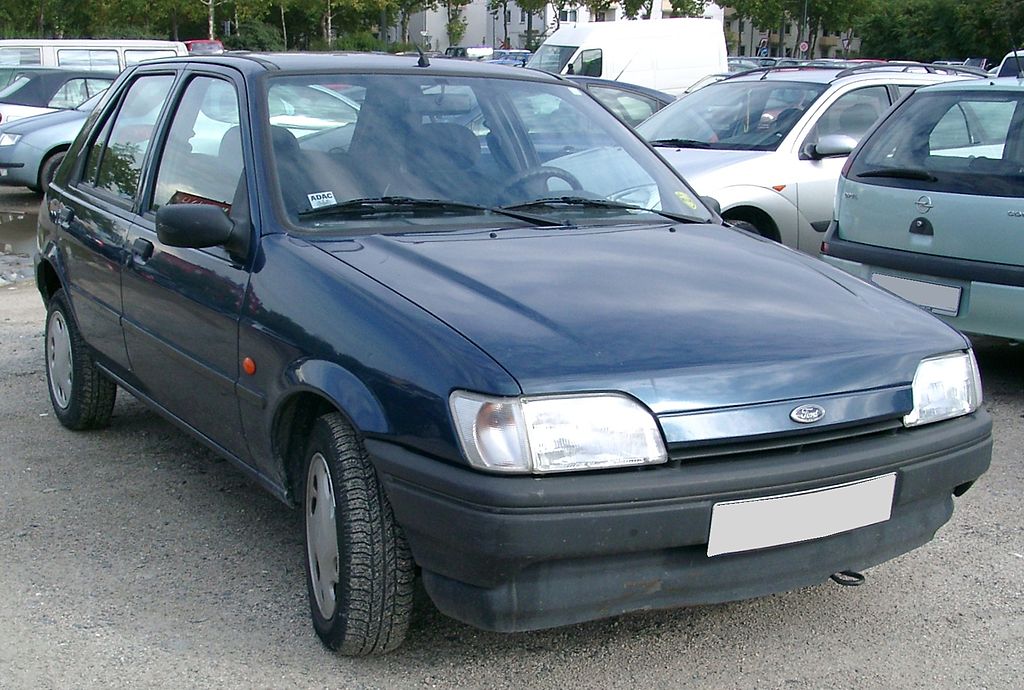
The third-gen Fiesta marked some of the more significant changes yet, through an all-new platform. Due to the lengthened wheelbase and broader stance, the first 5-door Fiesta was born. Further options were also introduced, like power windows and ABS brakes. Also added in 1990 was the Fiesta RS Turbo, delivering an impressive 128-BHP using its 1.6-liter 4-cylinder, capable of reach as high as 133-MPH. Two years later, in 1992, the 1.6-liter was replaced by a more powerful 1.8-liter.
Ford third-gen Fiesta claimed “Car of the Year” in 1989, and had sold over 2-million units by its second year in production.
Fourth Generation (1995-2002)
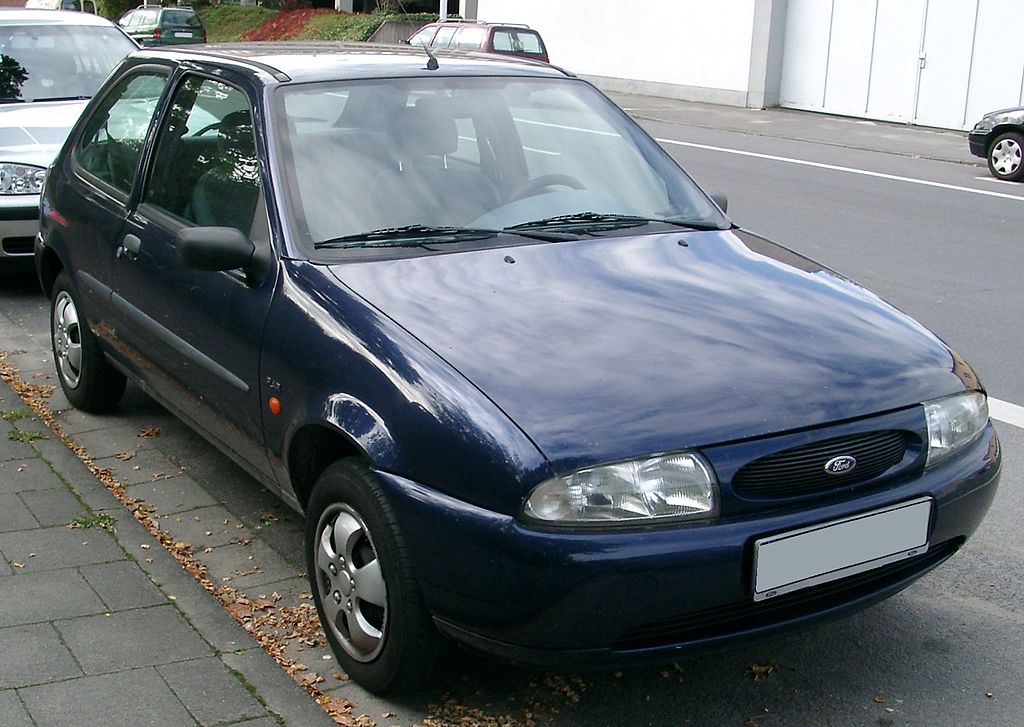
The fourth-gen Fiesta featured much more aerodynamic, rounded styling cues. Changes included an oval grill to match the Ford logo, as well as new interior styling. Also added, were two new engines, a 1.25-liter, and 1.4-liter 4-cylinder. Some of the more popular changes had to do with the new suspension, which improved handling significantly.
In 1999, the third-gen Fiesta had a face-lift, one that helped it more closely resembled the Ford Focus. For the first time in a long while, the Fiesta was again available with leather seating, and it also came with standard dual airbags.
One of the most popular additions to this generation was the Zetec S package, which features an upgraded suspension and new brakes. Under the hood was a 1.6-liter Sigma engine that allowed it to reach 0-60 in only 9.6 seconds.
Fifth Generation (2002-2008)
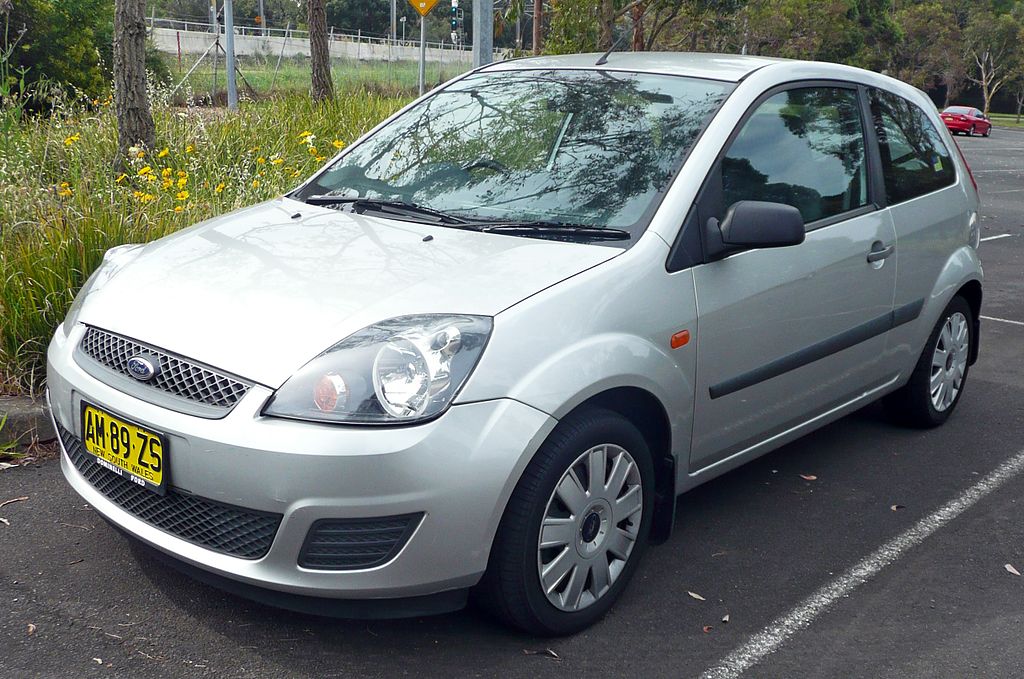
By the fifth generation, the Fiesta was very similar to the Ford Focus in many ways – albeit a smaller version. To differentiate itself, the ST model was released, and hidden under the hood was the most potent engine ever found in a Fiesta. A 2.0-liter producing 148-BHP. By now, ABS brakes and passenger airbags were standard, making the Fiesta a lot more appealing to the everyday driver.
Additional options were also added, like Bluetooth and automatic headlamps and wipers. Body styles included a 3, and 5-door hatchback, a 4-door saloon, and a 3-door panel wagon.
Sixth Generation (2008-2017)
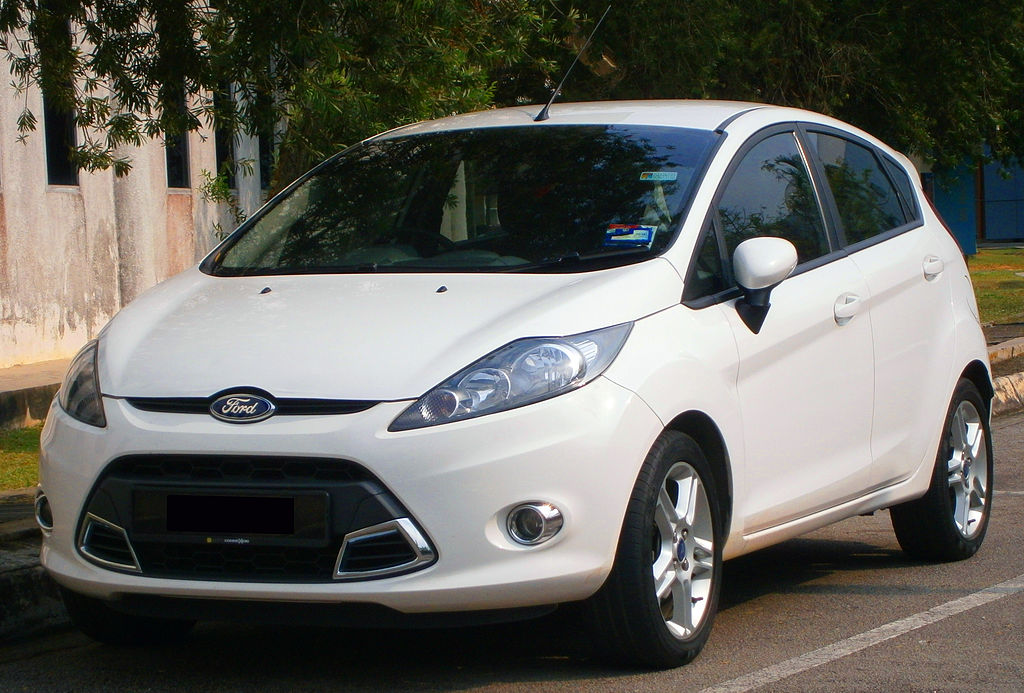
By the Fiesta’s sixth generation, it had firmly established itself as a worldwide contender in its class. New, modern styling cues gave it a level of mass-appeal it hadn’t seen in the past. Options included power windows and locks, Ford’s Sync system, keyless entry, and push-button start. The sixth-gen Fiesta was also the first to add one of Ford’s popular EcoBoost engines, which had built a decent name for themselves on other models since 2011.
Also joining the lineup in 2013, was the ST version, which got featured on the TV show Top Gear. Under the hood was a 1.6-liter EcoBoost capable of reaching 0-62 in only 6.9 seconds.
Seventh Generation (2017-Present)

The seventh and most recent generation of the Fiesta focused on making it more upscale and refined. It also received a few styling changes to give it a more aggressive look. Options included the latest Sync 3 infotainments system, leather seating, keyless start, 360-degree cameras, and a heated steering wheel. Although production ended in Australia and the United States in favor of small SUVs, EU markets saw strong sales.
Some of the more popular changes involved the ST model, which could now reach 0-62-MPH in a mere 6.5 seconds. The ST also featured selectable drive modes, which allowed the driver to switch between “Normal,” “Sport,” or “Race Track.” Additionally, the Fiesta is now available in a small SUV variant labeled the Fiesta Active.
Frequently Asked Questions
How do I bleed the brakes on my Ford Fiesta?
To bleed the brakes on your Ford Fiesta, start with the brake farthest from the master cylinder and work your way closer. Have someone pump the brake pedal several times and hold it down while you open the bleeder valve to release the air. Close the valve and repeat until all the air is out of the system. Be sure to use the recommended type of brake fluid for your vehicle.
How do I change the brake pads on my Ford Fiesta?
To change the brake pads on your Ford Fiesta, you’ll need to remove the wheel and caliper, remove the old pads, and replace them with new ones. Be sure to properly torque the caliper bolts and pump the brake pedal several times to re-seat the pads. Check your owner’s manual for specific instructions and diagrams for your Fiesta model.
How do I check the coolant level in my Ford Fiesta?
The coolant level in your Ford Fiesta should be checked when the engine is cold. Locate the coolant reservoir and check the level against the markings on the side. If it’s low, add a 50/50 mixture of coolant and water until it reaches the full mark. Be sure to use the correct type of coolant for your vehicle.
How do I check the transmission fluid in my Ford Fiesta?
The transmission fluid in your Ford Fiesta should be checked with the engine running and the transmission in park or neutral, depending on your model. Locate the transmission dipstick, pull it out, wipe it clean, and reinsert it. Then, remove it again and check the fluid level. If it’s low, add the recommended type of transmission fluid until it reaches the full mark.
How do I replace a blown fuse in my Ford Fiesta?
The fuse box in your Ford Fiesta is located in the glove compartment. Identify the fuse that needs to be replaced by checking the diagram on the fuse box cover or in your owner’s manual. Use a fuse puller or pliers to remove the old fuse and replace it with a new one of the same amperage.
How do I replace the air filter in my Ford Fiesta?
The air filter in your Ford Fiesta is located in the engine compartment. Open the air filter housing, remove the old filter, and replace it with a new one. Be sure to dispose of the old filter properly. Check your owner’s manual for specific instructions and diagrams for your Fiesta model.
How do I replace the cabin air filter in my Ford Fiesta?
The cabin air filter in your Ford Fiesta is located behind the glove compartment. Remove the glove compartment by squeezing the sides and pulling it out. Then, locate the filter housing and remove the old filter. Replace it with a new one and reinstall the glove compartment. Check your owner’s manual for specific instructions and diagrams for your Fiesta model.
How do I replace the fuel filter in my Ford Fiesta?
The fuel filter in your Ford Fiesta is located underneath the vehicle, near the fuel tank. Release the fuel pressure by removing the fuel pump fuse and cranking the engine for a few seconds. Then, locate the filter and remove the old one. Install the new filter and replace the fuel pump fuse. Check your owner’s manual for specific instructions and diagrams for your Fiesta model.
How do I replace the serpentine belt on my Ford Fiesta?
To replace the serpentine belt on your Ford Fiesta, you’ll need to locate the tensioner pulley and use a wrench to release the tension on the belt. Remove the old belt and install the new one, following the belt routing diagram under the hood. Finally, use the wrench to release the tensioner and re-tension the belt. Check your owner’s manual for specific instructions and diagrams for your Fiesta model.
How do I replace the spark plugs on my Ford Fiesta?
To replace the spark plugs on your Ford Fiesta, you’ll need to locate the spark plug wires and remove them one at a time using a spark plug socket and extension. Remove the old spark plug and replace it with a new one, being careful not to over-tighten it. Reattach the spark plug wire and repeat for the remaining plugs. Check your owner’s manual for specific instructions and diagrams for your Fiesta model.
How do I replace the windshield wiper blades on my Ford Fiesta?
To replace the wiper blades on your Ford Fiesta, lift the wiper arm away from the windshield and press the release tab on the blade. Slide the old blade off and slide the new one on until it clicks into place. Lower the wiper arm back onto the windshield. Check your owner’s manual for specific instructions and diagrams for your Fiesta model.
How do I troubleshoot a Ford Fiesta that won’t start?
First, check the battery and starter connections for corrosion or looseness. If those are fine, check the fuel pump and fuel delivery system. It’s also worth checking the ignition system, including the spark plugs, ignition coil, and distributor cap, as these can also cause starting issues.
How often should I change the oil in my Ford Fiesta?
Ford recommends changing the oil in your Fiesta every 7,500 miles or six months, whichever comes first. However, if you frequently drive in severe conditions – such as extreme temperatures, dusty roads, or stop-and-go traffic – you may need to change your oil more frequently.
What type of oil does a Ford Fiesta require?
The type and viscosity of oil your Ford Fiesta needs will depend on the engine type and year of your vehicle. Check your owner’s manual for the recommended oil type and viscosity for your specific model. Generally, Ford recommends using synthetic blend or full synthetic oil with a viscosity of 5W-20 or 5W-30.
