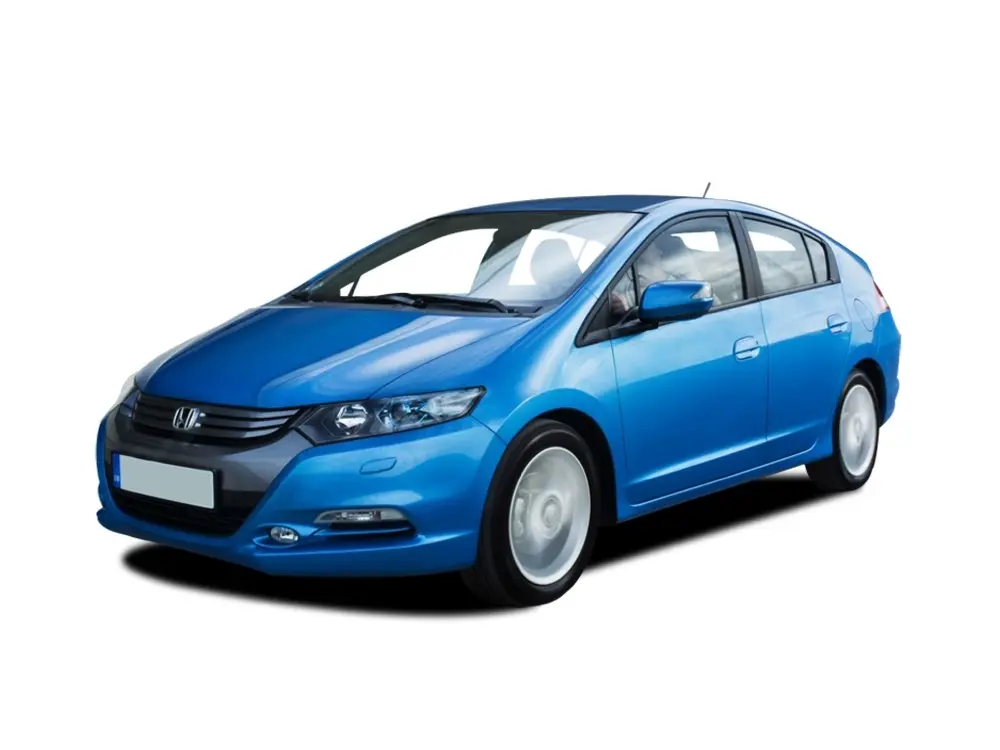
The Honda Insight is a hybrid electric vehicle manufactured and marketed by Honda in its first generation as a three-door, two passenger hatchback (1999 2006) and in its second generation as a five-door, five passenger hatchback (2009 2014). The Insight was the first production vehicle to feature Honda’s Integrated Motor Assist system. The Insight, marketed as the least expensive petrol-electric hybrid, ranked as the top-selling vehicle in Japan for the month of April 2009, a first for a hybrid model. In July 2014 Honda announced the end of production of the Insight for the 2015 model.
Frequently Asked Questions
How do I check the engine oil level in my Honda Insight?
To check the engine oil level in your Honda Insight, park the vehicle on level ground and wait for the engine to cool down. Locate the dipstick, typically labeled “Engine Oil” or with an oil can icon, and pull it out. Wipe it clean, reinsert it fully, and then remove it again to check the oil level. The oil should be within the recommended range marked on the dipstick. If it is low, add the appropriate oil type and quantity as specified in the owner’s manual.
How do I jump-start my Honda Insight if the battery is dead?
To jump-start your Honda Insight, you will need a set of jumper cables and another vehicle with a fully charged battery. Park the two vehicles close together, turn off the ignition in both cars, and connect the positive (+) terminals of the batteries using the red jumper cable. Then, connect one end of the black jumper cable to the negative (-) terminal of the working battery and the other end to a metal surface away from the dead battery in the Honda Insight. Start the working vehicle and let it run for a few minutes, then try starting the Honda Insight. Once it starts, remove the jumper cables in reverse order.
How do I reset the maintenance light on my Honda Insight?
To reset the maintenance light on your Honda Insight, turn the ignition on without starting the engine. Use the trip meter button to display the trip meter A or trip meter B, then turn the ignition off. While holding down the trip meter button, turn the ignition back on. Continue holding the trip meter button until the maintenance light starts flashing, then release the button. The maintenance light should now be reset.
How often should I change the engine oil in my Honda Insight?
It is recommended to change the engine oil in your Honda Insight every 5,000 to 7,500 miles or every 6 months, whichever comes first. Regular oil changes help maintain the optimal performance and longevity of your engine by keeping it properly lubricated and preventing build-up of dirt and contaminants. Following the manufacturer’s guidelines for oil changes is crucial for the overall health of your vehicle.
How often should I replace the air filter in my Honda Insight?
The air filter in your Honda Insight should be checked every 15,000 miles and replaced every 30,000 miles or as indicated in the maintenance schedule. A clean air filter is essential for proper airflow to the engine, improving fuel efficiency and overall performance. Neglecting to change the air filter can lead to reduced engine power, increased fuel consumption, and potential damage to the engine.
How often should I replace the brake pads in my Honda Insight?
The brake pads in a Honda Insight typically need to be replaced every 50,000 miles, but this can vary depending on driving habits, conditions, and brake pad material. Regular inspection of the brake pads for wear and tear is recommended, and they should be replaced if the thickness is below the minimum specification. Timely brake pad replacement ensures proper braking performance, safety, and prevents damage to other brake components.
How often should I replace the cabin air filter in my Honda Insight?
The cabin air filter in your Honda Insight should be replaced every 15,000 to 30,000 miles, depending on driving conditions and air quality. A clean cabin air filter improves the air quality inside the vehicle by filtering dust, pollen, and other contaminants. Neglecting to replace the cabin air filter can lead to reduced airflow, unpleasant odors, and potential issues with the HVAC system.
How often should I replace the drive belt in my Honda Insight?
The drive belt in your Honda Insight typically needs to be replaced every 60,000 to 100,000 miles or as indicated in the maintenance schedule. However, it is recommended to periodically inspect the drive belt for signs of wear, cracking, or fraying. A worn-out or damaged drive belt can lead to engine overheating, loss of power steering, and other mechanical issues.
How often should I replace the spark plugs in my Honda Insight?
The spark plugs in a Honda Insight typically need to be replaced every 100,000 miles. However, it is recommended to check and clean them every 30,000 miles to ensure optimal performance. Spark plugs play a crucial role in the ignition system, and worn-out or dirty plugs can lead to misfires, reduced fuel efficiency, and engine performance issues.
How often should I rotate the tires on my Honda Insight?
It is recommended to rotate the tires on your Honda Insight every 5,000 to 7,500 miles or as indicated in the maintenance schedule. Regular tire rotation promotes even wear and extends tire life, ensuring optimal traction and handling. It is also a good opportunity to inspect the tires for any signs of damage or uneven wear patterns.
What is the recommended tire pressure for my Honda Insight?
The recommended tire pressure for the Honda Insight varies depending on the model and trim level. Generally, the recommended tire pressure is around 32-35 PSI for all four tires. However, it is always best to consult the owner’s manual or the sticker inside the driver’s door jamb for the specific recommended tire pressure for your vehicle. Proper tire pressure ensures optimal handling, fuel efficiency, and tire longevity.
What should I do if my Honda Insight’s battery keeps dying?
If your Honda Insight’s battery keeps dying, there could be several possible causes. Start by checking if any lights or accessories were left on, as this can drain the battery. If that’s not the case, there may be an issue with the battery itself, such as age or a faulty alternator not charging it properly. It is recommended to have the battery and charging system checked by a professional to diagnose and resolve the issue.
What type of coolant should I use in my Honda Insight?
The Honda Insight requires the use of Honda Long Life Antifreeze/Coolant Type 2. This specific coolant is designed to provide excellent protection against freezing, boiling, and corrosion, ensuring the proper functioning of your vehicle’s cooling system. It is important to use the recommended coolant to avoid any potential damage to the engine or cooling components.
What type of transmission fluid should I use in my Honda Insight?
The Honda Insight requires the use of Honda Genuine ATF (Automatic Transmission Fluid) DW-1. This specific transmission fluid is formulated to meet the requirements and ensure proper operation of the Honda Insight’s automatic transmission. Using the recommended fluid is crucial to maintain smooth shifting, prevent transmission damage, and extend the lifespan of the transmission.
