
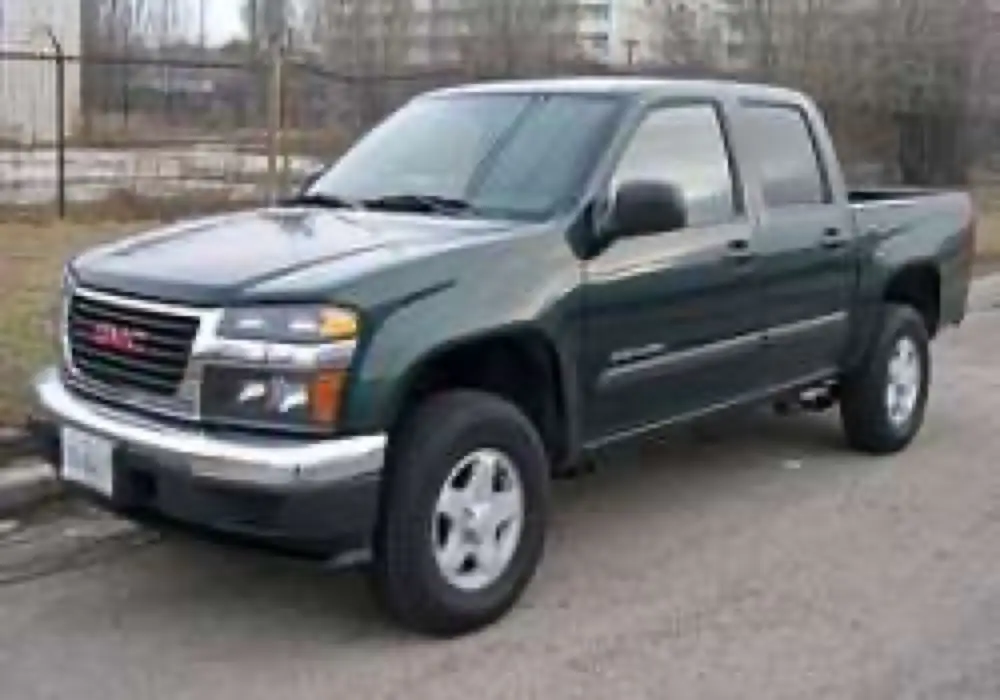
The C/K was Chevrolet and GMC’s full-size pickup truck line from 1960 until 1999 in the United States, from 1965 to 1999 in Canada, from 1964 through 2001 in Brazil, from 1975 to 1982 in Chile. The first Chevrolet pickup truck appeared in 1924, though in-house designs did not appear until 1930. “C” indicated two-wheel drive and “K” indicated four-wheel drive. The aging C/K light-duty pickup truck was replaced with the Chevrolet Silverado and GMC Sierra names in 1999 in the US and Canada, and 2001 in Brazil; the Chevrolet Silverado HD and GMC Sierra HD heavy-duty pickup trucks followed. Until this time the names Silverado and Sierra were used to identify the trim level of the C/K trucks.
Frequently Asked Questions
How do I check the engine oil level in my Honda Pilot?
To check the engine oil level in your Honda Pilot, park the vehicle on a level surface and wait for the engine to cool down. Open the hood and locate the dipstick, usually labeled “Engine Oil.” Pull out the dipstick, wipe it clean, reinsert it fully, and then remove it again to check the oil level. The oil level should be between the minimum and maximum marks on the dipstick.
How often should I change the air filter in my Honda Pilot?
It is recommended to inspect and replace the air filter in your Honda Pilot every 15,000 miles or once a year, whichever comes first. However, if you drive in dusty or dirty conditions, you may need to replace it more frequently. A clogged or dirty air filter can restrict airflow to the engine, leading to reduced performance and fuel efficiency.
What type of automatic transmission fluid should I use in my Honda Pilot?
It is essential to use the correct type of automatic transmission fluid (ATF) for your Honda Pilot to ensure proper performance and longevity of the transmission. Honda recommends using Honda ATF DW-1 or its equivalent. Make sure to consult your owner’s manual or the Honda Pilot automotive repair manual for detailed instructions on checking and replacing the ATF, as well as the proper fluid capacity.
