
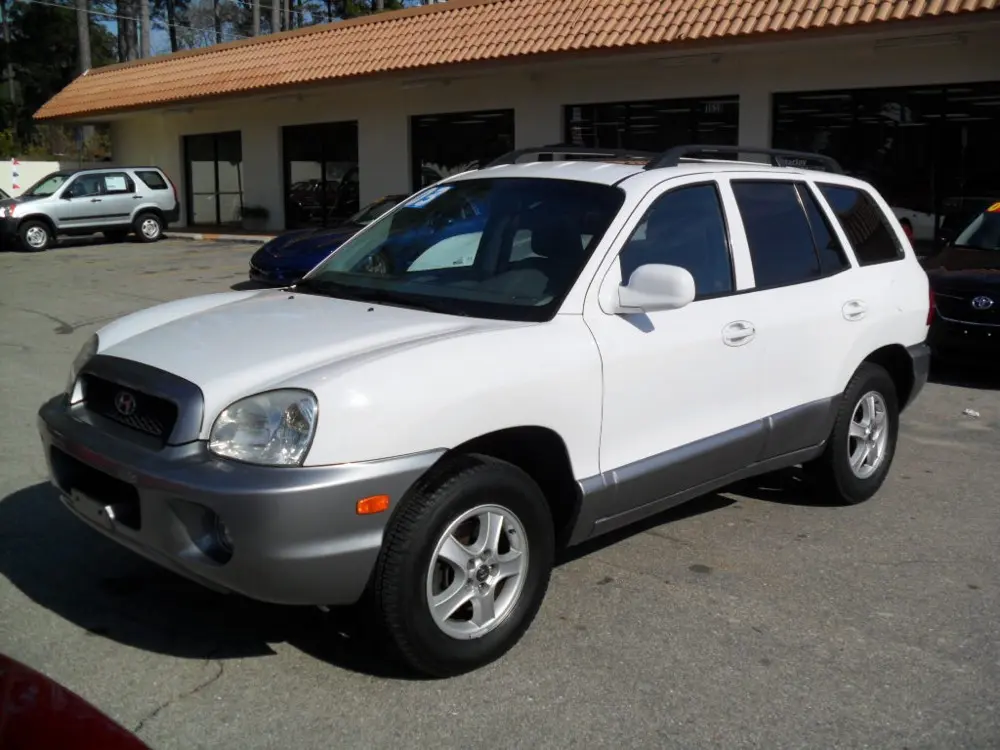
Based on the platform of the Hyundai Sonata, the Hyundai Santa Fe is the first SUV from South Korean auto manufacturer Hyundai. Introduced in 2001, it was at first criticized by the journalists for its obscure look, but the American buyers thought the other way. The Santa Fe became a great hit for Hyundai and at times, Hyundai had trouble to meet the demand. The second generation Hyundai Santa Fe was awarded 2008 Consumer Reports “top pick” and was among the top 10 vehicles for 2008 unveiled in the magazine’s issue. The magazine’s annual ratings, based on road tests and predicted safety and reliability, are considered highly influential among consumers.
Frequently Asked Questions
How do I change the oil in my Hyundai Santa Fe?
To change the oil in your Hyundai Santa Fe, you will need to locate the oil drain plug underneath the vehicle and remove it to drain the old oil. Once the oil has fully drained, replace the drain plug and remove the oil filter. Install a new oil filter and then refill the engine with the recommended amount and type of oil. Be sure to follow the manufacturer’s specifications for oil type and quantity to ensure proper engine performance and longevity.
How do I check the transmission fluid level in my Hyundai Santa Fe?
To check the transmission fluid level in your Hyundai Santa Fe, start the engine and allow it to warm up to operating temperature. Park the vehicle on a level surface and engage the parking brake. Locate the transmission dipstick, usually marked with a yellow or red handle, and remove it. Wipe the dipstick clean, reinsert it fully, and then remove it again to check the fluid level. The fluid should be within the designated range on the dipstick. If it is low, add the recommended type of transmission fluid through the dipstick tube.
How do I jump-start my Hyundai Santa Fe?
To jump-start your Hyundai Santa Fe, you will need a set of jumper cables and another vehicle with a charged battery. Park the vehicles close together, but not touching, and turn off both engines. Connect one end of the positive jumper cable to the positive terminal of the dead battery and the other end to the positive terminal of the charged battery. Then, connect one end of the negative jumper cable to the negative terminal of the charged battery and the other end to a metal surface away from the dead battery. Start the vehicle with the charged battery and let it run for a few minutes before attempting to start your Hyundai Santa Fe. Once started, remove the jumper cables in the reverse order of installation.
How do I replace a brake light bulb on my Hyundai Santa Fe?
To replace a brake light bulb on your Hyundai Santa Fe, open the trunk and locate the access panel behind the tail light assembly. Remove the screws or clips holding the panel in place and carefully pull it away. Twist the socket counterclockwise to remove it from the assembly and then pull out the old bulb. Insert the new bulb, making sure it is securely seated, and reinstall the socket into the assembly. Test the brake light to ensure it is working properly before replacing the access panel.
How do I replace a cabin air filter on my Hyundai Santa Fe?
To replace a cabin air filter on your Hyundai Santa Fe, start by opening the glove compartment and removing any contents. Squeeze the sides of the glove compartment inward to release the stops and lower it fully. Locate the access panel behind the glove compartment and remove the screws or clips holding it in place. Slide out the old cabin air filter and replace it with a new one, making sure it is oriented correctly. Reinstall the access panel, raise the glove compartment back into position, and secure it in place.
How do I replace a headlight bulb on my Hyundai Santa Fe?
To replace a headlight bulb on your Hyundai Santa Fe, start by opening the hood and locating the back of the headlight assembly. Disconnect the wiring harness from the back of the bulb by gently pressing the release tab and pulling it away. Then, remove the old bulb by twisting it counterclockwise and pulling it out. Insert the new bulb, making sure it is securely seated, and reconnect the wiring harness. Test the headlight to ensure it is working properly before closing the hood.
How do I replace a windshield wiper blade on my Hyundai Santa Fe?
To replace a windshield wiper blade on your Hyundai Santa Fe, lift the wiper arm away from the windshield and locate the release tab on the wiper blade. Press the tab and slide the old blade off the wiper arm. Align the new wiper blade with the wiper arm and slide it into place until it clicks securely. Gently lower the wiper arm back onto the windshield. Repeat the process for the other wiper blade if necessary.
How do I reset the maintenance light on my Hyundai Santa Fe?
To reset the maintenance light on your Hyundai Santa Fe, turn the ignition key to the “On” position without starting the engine. Fully depress the accelerator pedal and release it three times within five seconds. The maintenance light should start flashing and then turn off, indicating that the reset was successful. If the light does not reset, repeat the process or consult the owner’s manual for specific instructions.
How often should I replace the air filter in my Hyundai Santa Fe?
The air filter in your Hyundai Santa Fe should be replaced every 15,000 to 30,000 miles or as recommended by the manufacturer. A clean air filter is essential for proper engine performance and fuel efficiency. Regularly inspect the air filter and replace it if it appears dirty or clogged. Following the recommended replacement interval will help maintain optimal airflow and protect the engine from contaminants.
What is the recommended tire pressure for my Hyundai Santa Fe?
The recommended tire pressure for your Hyundai Santa Fe can be found in the owner’s manual or on a sticker located on the driver’s side door jamb. It is important to maintain the proper tire pressure to ensure optimal handling, fuel efficiency, and tire longevity. Regularly check the tire pressure with a reliable tire pressure gauge and adjust it as needed to match the recommended specifications.
