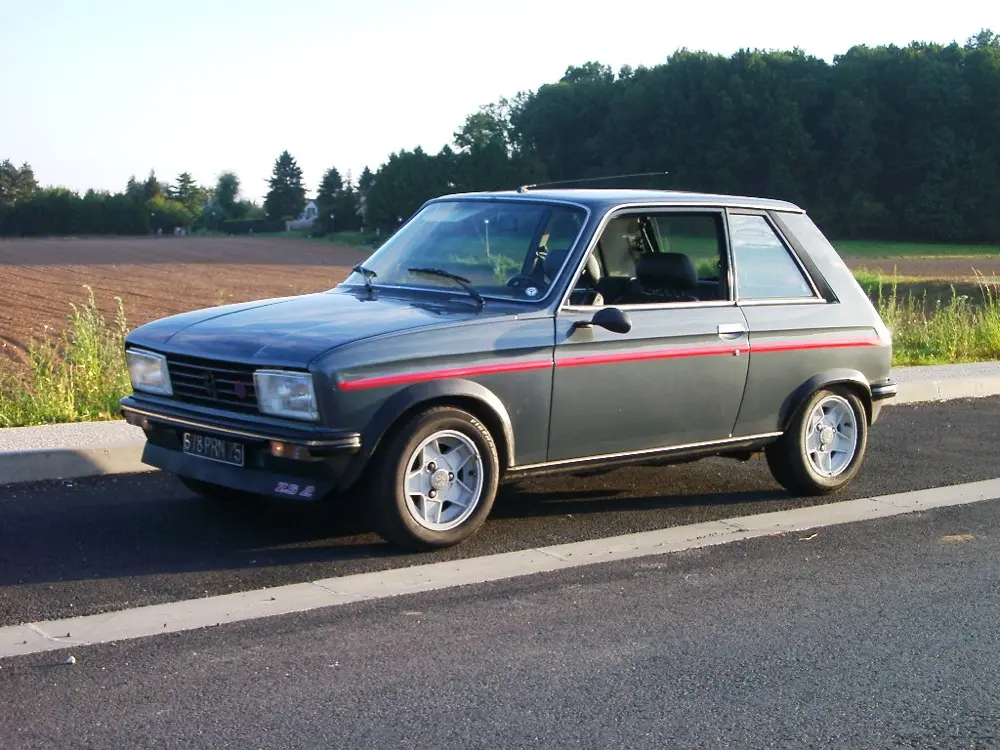
The Peugeot 104 is a supermini motor car designed by Paolo Martin and produced by the French car manufacturer Peugeot between 1972 and 1988. It was the first model produced at the company’s Mulhouse plant. It was also the first new Peugeot introduced since 1955 not to be available with a diesel option. It was manufactured as a four-door saloon from 1972 until 1976, three-door hatchback from 1974 until 1988 and five-door hatchback from 1976 until 1988. These models were built with 954 cc, 1,124 cc, 1,219 cc and 1,360 cc petrol engines.
Frequently Asked Questions
How do I adjust the headlights in a Peugeot 104?
To adjust the headlights in a Peugeot 104, park the vehicle on a level surface facing a wall or garage door. Turn on the headlights and identify the horizontal and vertical adjustment screws located behind the headlight assembly. Use a screwdriver or a suitable tool to turn the adjustment screws and align the headlights to the desired position. Ideally, the headlights should be aimed straight ahead and slightly downward to provide optimal illumination without blinding oncoming drivers.
How do I bleed the brakes in a Peugeot 104?
To bleed the brakes in a Peugeot 104, start by locating the brake bleeder valves on each wheel. Begin with the wheel farthest from the master cylinder, typically the rear passenger side, and work your way closer. Attach a clear plastic tube to the bleeder valve and place the other end in a container to catch the brake fluid. With the help of a second person, slowly pump the brake pedal while the bleeder valve is open, allowing any air bubbles to escape. Continue this process until the brake fluid flows steadily without any air bubbles.
How do I change the air filter in a Peugeot 104?
Changing the air filter in a Peugeot 104 is a relatively simple task. Locate the air filter housing, usually near the engine intake. Open the housing and remove the old air filter. Inspect the new air filter and ensure it matches the dimensions and specifications of the old one. Install the new air filter correctly, making sure it fits snugly and securely in the housing. Close the air filter housing, ensuring it is properly sealed, to prevent dirt and debris from entering the engine.
How do I change the spark plugs in a Peugeot 104?
To change the spark plugs in a Peugeot 104, start by locating the spark plug wires and disconnecting them from the plugs. Use a spark plug socket and ratchet to remove the old spark plugs. Before installing new spark plugs, ensure they are correctly gapped according to the manufacturer’s specifications. Finally, tighten the new spark plugs using the spark plug socket and reconnect the spark plug wires.
How do I check the transmission fluid level in a Peugeot 104?
To check the transmission fluid level in a Peugeot 104, start the engine and let it warm up to operating temperature. Locate the transmission dipstick, usually located near the back of the engine bay. With the engine still running, pull out the dipstick, wipe it clean, reinsert it fully, and then pull it out again. The fluid level should be within the designated range marked on the dipstick. If it is low, add the appropriate transmission fluid until it reaches the recommended level.
How do I diagnose and fix an overheating issue in a Peugeot 104?
When diagnosing and fixing an overheating issue in a Peugeot 104, start by checking the coolant level and ensuring it is at the appropriate level. Inspect the radiator and cooling system for any leaks or blockages. Verify that the radiator fan is functioning properly. Check the thermostat for any malfunctions and replace if necessary. If the issue persists, it may be necessary to consult a professional mechanic to diagnose potential problems with the water pump, radiator, or head gasket.
How do I replace a blown fuse in a Peugeot 104?
To replace a blown fuse in a Peugeot 104, start by locating the fuse box, which is usually located either under the dashboard or in the engine bay. Open the fuse box and locate the fuse corresponding to the affected electrical component. Using a fuse puller or a pair of needle-nose pliers, carefully remove the blown fuse. Replace it with a new fuse of the same amperage rating. Close the fuse box securely and test the electrical component to ensure it is functioning properly.
How do I replace a broken side mirror on a Peugeot 104?
To replace a broken side mirror on a Peugeot 104, start by removing the interior door panel to access the mirror assembly. Disconnect the electrical connector if applicable, and remove any screws or bolts securing the mirror. Carefully remove the broken mirror from its mounting. Install the new side mirror by reversing the removal steps, ensuring it is securely attached. Test the mirror’s functionality before reattaching the door panel.
How do I replace a faulty alternator in a Peugeot 104?
To replace a faulty alternator in a Peugeot 104, start by disconnecting the negative battery cable to prevent any electrical accidents. Locate the alternator, usually at the front of the engine, and remove any electrical connections and mounting bolts securing it. Carefully remove the old alternator from its bracket. Install the new alternator, ensuring it is properly aligned and securely mounted. Reconnect the electrical connections and the negative battery cable. Start the engine and verify that the new alternator is functioning correctly.
How do I replace a faulty brake master cylinder in a Peugeot 104?
To replace a faulty brake master cylinder in a Peugeot 104, start by disconnecting the negative battery cable. Remove the fluid reservoir cap to relieve any pressure. Disconnect the brake lines from the master cylinder using a flare nut wrench. Remove any mounting bolts securing the master cylinder and carefully detach it from the brake booster. Install the new master cylinder, ensuring it is aligned properly and securely mounted. Reconnect the brake lines, refill the fluid reservoir, and bleed the brake system to remove any air bubbles.
How do I replace a worn serpentine belt in a Peugeot 104?
To replace a worn serpentine belt in a Peugeot 104, start by locating the belt tensioner, which applies tension to the belt. Use a suitable tool to relieve tension on the belt and slip it off the pulleys. Slowly release the tensioner. Route the new serpentine belt following the correct path outlined in the belt diagram. Ensure the belt is properly seated on each pulley, including the tensioner. Double-check the belt alignment and tension before starting the engine.
How do I troubleshoot a faulty electrical system in a Peugeot 104?
When troubleshooting a faulty electrical system in a Peugeot 104, start by checking the fuses and relays to ensure they are not blown or malfunctioning. Inspect the battery terminals for corrosion and ensure they are securely connected. Test the electrical components one by one, such as lights, radio, and power windows, to determine if the issue is isolated to a specific component. If the problem persists, consult the vehicle’s electrical wiring diagram and use a multimeter to diagnose any faulty wires or connections.
How often should I change the engine oil in a Peugeot 104?
It is recommended to change the engine oil in a Peugeot 104 approximately every 5,000-7,500 miles or every 6-12 months, whichever comes first. Regular oil changes help maintain the engine’s performance and longevity by providing proper lubrication and removing contaminants. Be sure to use the recommended oil viscosity and follow the manufacturer’s guidelines for oil change intervals.
What is the recommended tire pressure for a Peugeot 104?
The recommended tire pressure for a Peugeot 104 can vary depending on the specific model and tire size. However, as a general guideline, most Peugeot 104 models have a recommended tire pressure of around 30-35 PSI (pounds per square inch). It is important to check the vehicle’s owner manual or the tire placard located on the driver’s door jamb for the precise recommended tire pressure.
What type of coolant should I use in a Peugeot 104?
Peugeot 104 typically requires a specific type of coolant known as ethylene glycol-based coolant. It is important to use the coolant recommended by the manufacturer, as different engines may have different requirements. The coolant should have a 50/50 mix of antifreeze and distilled water, unless otherwise specified. Regularly check the coolant level and top up if necessary, ensuring it is at the appropriate level between the minimum and maximum marks on the coolant reservoir.
