
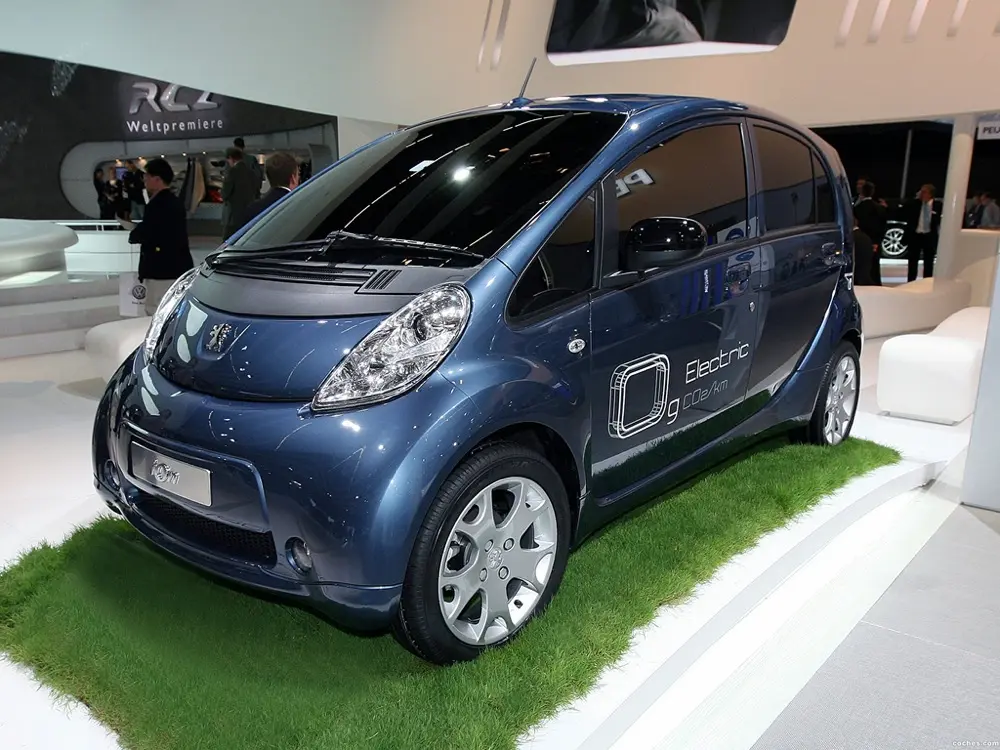
The Peugeot iOn is rebadged variant of Mitsubishi MiEV or Mitsubishi Inovative Electric Vehicle. MiEV is also sold in Europe under Citroen C-Zero brand name. The i-MiEV is the world’s first modern highway-capable mass production electric car.According to the manufacturer, the i-MiEV all-electric range is 160 kilometres (100 mi) on the Japanese test cycle. The range for the 2012 model year American version is 62 miles (100 km) on the United States Environmental Protection Agency’s (US EPA) cycle. As of early March 2015, and accounting for all variants of the i-MiEV, including the two minicab MiEV versions sold in Japan, global sales totaled over 50,000 units since 2009.
Frequently Asked Questions
Can I tow my Peugeot iOn behind another vehicle?
No, the Peugeot iOn should not be flat-towed or towed by another vehicle. It is recommended to consult the owner’s manual or contact a professional towing service for guidance on proper towing procedures in case of a breakdown or necessary transport.
Can I use regular gasoline in my Peugeot iOn?
No, the Peugeot iOn is an electric vehicle and does not run on gasoline. It is powered by a lithium-ion battery pack and an electric motor. However, it is essential to ensure the vehicle’s battery is properly charged to maintain optimal performance.
How do I check the battery level in my Peugeot iOn?
The battery level of a Peugeot iOn can be checked through the vehicle’s dashboard display. It will provide information on the remaining battery charge, estimated range, and other relevant details. Additionally, the owner’s manual should provide instructions on how to interpret and navigate the battery level display.
How do I check the transmission fluid level in my Peugeot iOn?
The Peugeot iOn utilizes an electric drivetrain and does not have a traditional transmission system with fluid. Therefore, there is no need to check or change transmission fluid in this vehicle.
How do I jump-start my Peugeot iOn?
As an electric vehicle, the Peugeot iOn does not require traditional jump-starting with jumper cables. In the event of a low or dead battery, it is recommended to contact a professional roadside assistance service or your local Peugeot dealership for proper assistance and battery charging.
How do I reset the maintenance light in my Peugeot iOn?
To reset the maintenance light in your Peugeot iOn, you typically need to access the vehicle’s onboard computer system, which can be done by following the instructions provided in the owner’s manual. The process may involve a combination of pressing specific buttons or navigating through the vehicle’s display settings. If unsure, it is recommended to consult the owner’s manual or contact a Peugeot dealership for guidance.
How often should I change the oil in my Peugeot iOn?
The oil in your Peugeot iOn should be changed every 12,000 miles or once a year, whichever comes first. Regular oil changes are important to maintain the performance and longevity of your vehicle’s engine. Neglecting to change the oil on time can lead to increased engine wear and reduced fuel efficiency.
How often should I replace the air filter in my Peugeot iOn?
The air filter in your Peugeot iOn should be inspected and replaced as needed, typically every 12,000 to 15,000 miles or once a year. A clean air filter promotes better engine performance and fuel efficiency by preventing dirt and debris from entering the engine. If you frequently drive in dusty or polluted areas, it may be necessary to replace the air filter more frequently.
How often should I replace the brake pads on my Peugeot iOn?
The frequency of brake pad replacement on a Peugeot iOn can vary depending on driving habits and conditions. It is recommended to have the brake pads inspected regularly, typically every 20,000 to 30,000 miles, and replaced when they reach the minimum thickness specified by the manufacturer. Squealing or grinding noises during braking may indicate the need for immediate pad replacement.
How often should I replace the cabin air filter in my Peugeot iOn?
The cabin air filter in your Peugeot iOn should be replaced approximately every 15,000 to 20,000 miles, or once a year, depending on driving conditions and environmental factors. A clean cabin air filter ensures better air quality inside the vehicle by filtering out dust, pollen, and other airborne particles.
How often should I rotate the tires on my Peugeot iOn?
Tire rotation is not necessary for the Peugeot iOn since it has an electric drivetrain with even weight distribution. However, it is still vital to regularly check the tire pressure and tread depth to ensure safe driving conditions and maximize tire life.
What is the lifespan of the battery in a Peugeot iOn?
The lifespan of the battery in a Peugeot iOn can vary depending on various factors such as usage, driving conditions, and maintenance. On average, the battery can last between 8 to 10 years. Proper care, including regular charging and avoiding extreme temperatures, can help maximize the battery’s lifespan.
What is the recommended interval for replacing the serpentine belt in my Peugeot iOn?
The serpentine belt in your Peugeot iOn should be inspected regularly for signs of wear and replaced as necessary. The recommended interval for replacement can vary depending on driving conditions and the manufacturer’s recommendations. It is advisable to consult the owner’s manual or have a qualified technician assess the belt’s condition during routine maintenance.
What is the recommended tire pressure for my Peugeot iOn?
The recommended tire pressure for your Peugeot iOn can be found in the owner’s manual or on a sticker located on the driver’s side door jamb. It is important to maintain the correct tire pressure to ensure optimal handling, fuel efficiency, and tire longevity.
What type of coolant should I use for my Peugeot iOn?
It is recommended to use a high-quality, ethylene glycol-based coolant that meets the specifications outlined in your Peugeot iOn’s owner’s manual. This will help ensure optimal cooling system performance and prevent overheating. Avoid using a coolant that is incompatible with your vehicle’s specific requirements, as it may lead to coolant leaks or engine damage.
