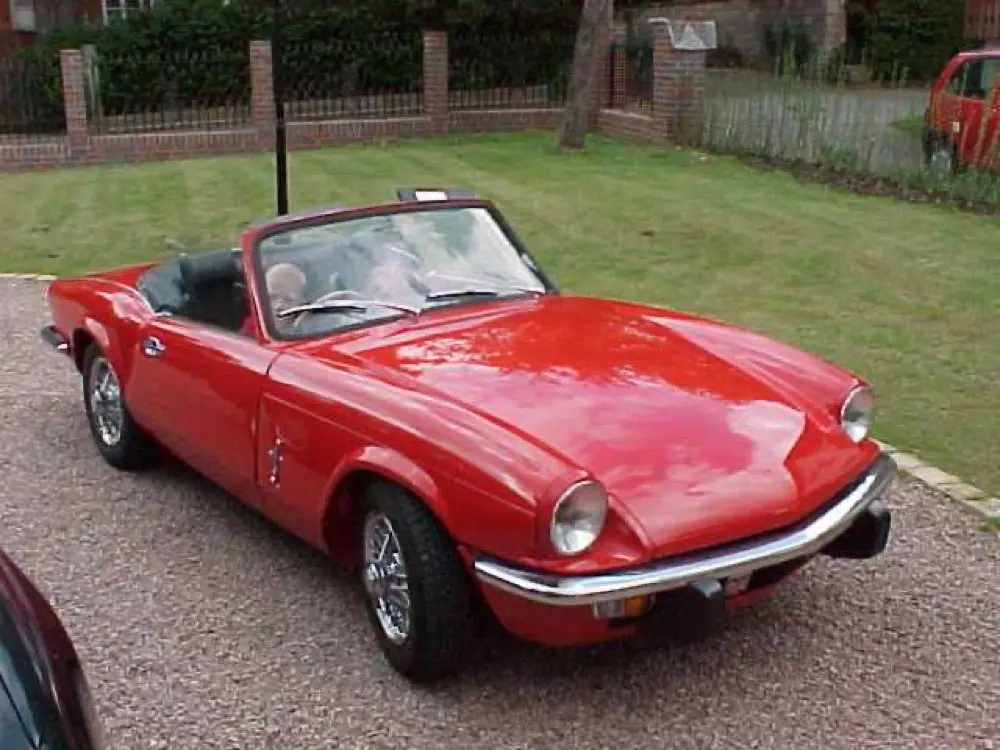
The Triumph Spitfire is a small English two-seat sports car, introduced at the London Motor Show in 1962. Five Spitfire models were sold during the production run. It was manufactured with 1.1L, 1.3L and 1.5L petrol engines. It was only available with manual gearbox. The 1980 model was the last and the heaviest of the entire run, weighing in at 1,875 lb (850.5 kg). Base prices for the 1980 model year were $5,995 in the US and ?3,631 in the UK. The last Spitfire, an Inca Yellow UK-market model with hardtop and overdrive, rolled off the assembly line at Canley in August 1980, shortly before the factory closed. It was never sold and is now displayed at the British Motor Heritage museum at Gaydon.
Frequently Asked Questions
How do I change the oil in my Triumph Spitfire?
To change the oil in your Triumph Spitfire, start by locating the oil drain plug underneath the engine. Use a wrench to loosen and remove the plug, allowing the old oil to drain into a suitable container. Once the oil has completely drained, replace the drain plug and remove the old oil filter. Install a new oil filter and refill the engine with the recommended amount and type of oil, checking the oil level with the dipstick to ensure it is at the correct level.
How do I replace the spark plugs in a Triumph Spitfire?
To replace the spark plugs in your Triumph Spitfire, start by removing the spark plug wires from each spark plug. Use a spark plug socket and ratchet to loosen and remove the old spark plugs. Before installing the new spark plugs, ensure they are gapped correctly according to the specifications outlined in the repair manual. Carefully thread the new spark plugs into the engine by hand, and then use the spark plug socket and ratchet to tighten them to the recommended torque specification. Finally, reattach the spark plug wires to each spark plug.
What is the recommended tire pressure for a Triumph Spitfire?
The recommended tire pressure for a Triumph Spitfire is typically around 26-28 psi for the front tires and 28-30 psi for the rear tires. However, it is always best to refer to the specific recommendations outlined in your vehicle’s owner’s manual or the tire placard located on the driver’s side door jamb. Maintaining the proper tire pressure is crucial for optimal handling, fuel efficiency, and tire longevity.
