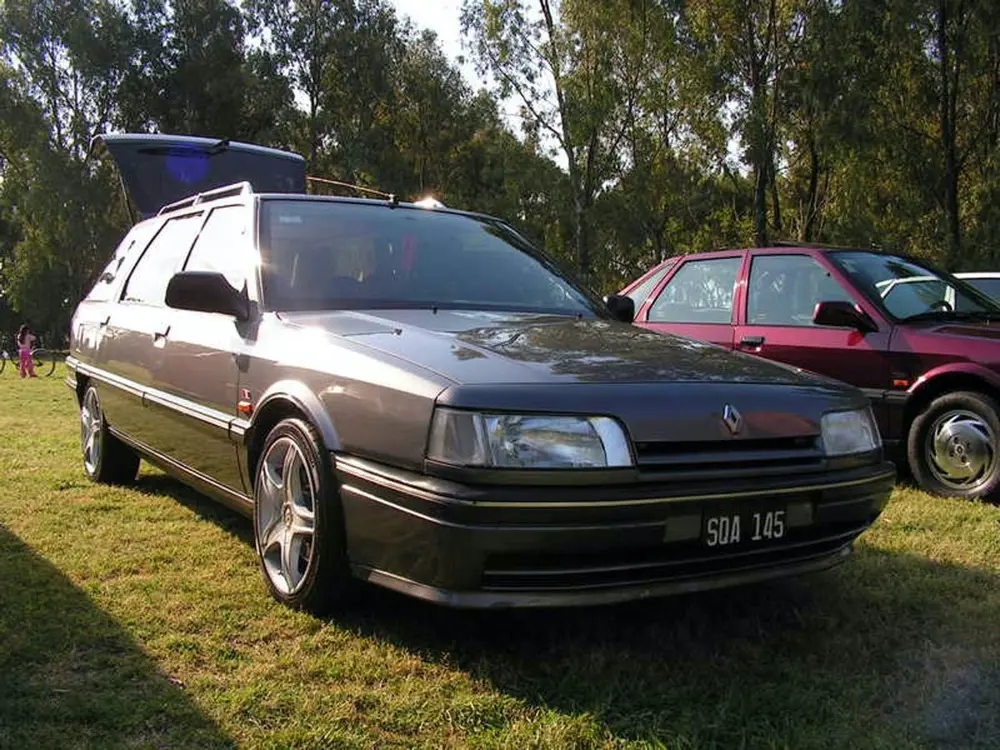
The Renault 21 is a midsize car designed by Renault to replace its Renault 18 model. It was launched in 1986, originally as a sedan model with two different wheel base versions, and produced until 1994. In 1988, anupdated and restyled Renault 21 was launched and included additional versions of the model featuring turbocharged engines, four-wheel drive transmissions, and hatchbacks. It was also sold in North America initially through American Motors dealers as the Renault Medallion and later through Jeep-Eagle dealers the Eagle Medallion. A total of 2,096,000 units were produced.
Frequently Asked Questions
How do I bleed the brakes in a Renault R 21?
To bleed the brakes in a Renault R 21, start by locating the brake bleeder screws on each wheel. Attach a clear plastic tube to the bleeder screw and place the other end in a container to catch the old brake fluid. With the help of an assistant, slowly pump the brake pedal several times and then hold it down. Open the bleeder screw slightly to allow the old brake fluid and air bubbles to escape. Close the bleeder screw and repeat the process until clear fluid without air bubbles flows through the tube. Remember to regularly check the brake fluid level and refill as needed during the bleeding process.
How do I change the oil in a Renault R 21?
To change the oil in a Renault R 21, you will need to locate the oil drain plug underneath the engine and remove it with a wrench. Once the oil has fully drained, replace the drain plug and remove the old oil filter. Install a new oil filter and add the recommended amount of fresh oil to the engine, checking the oil level with a dipstick to ensure it is at the correct level.
How do I check the brake fluid level in a Renault R 21?
To check the brake fluid level in a Renault R 21, start by locating the brake fluid reservoir under the hood, usually near the firewall. The reservoir will have minimum and maximum markings, and the fluid level should be between these two marks. If the level is low, carefully remove the cap and add the recommended brake fluid. Take care not to spill brake fluid, as it can damage painted surfaces.
How do I check the transmission fluid level in a Renault R 21?
To check the transmission fluid level in a Renault R 21, start by parking the vehicle on a level surface and engaging the parking brake. Locate the transmission dipstick, usually near the back of the engine bay, and remove it. Wipe the dipstick clean, reinsert it fully, and then withdraw it again to check the fluid level. The dipstick will have markings indicating the correct fluid level range, and if the fluid level is low, it should be topped up using the recommended transmission fluid.
How do I diagnose a faulty alternator in a Renault R 21?
If you suspect a faulty alternator in a Renault R 21, start by checking the battery voltage with a multimeter when the engine is off. A healthy battery should read around 12.6 volts. Then start the engine and check the voltage again. If the voltage reading is significantly higher than the initial reading, it may indicate that the alternator is overcharging. Additionally, if the battery warning light is illuminated on the dashboard or you notice dimming headlights or electrical issues, it could also indicate a faulty alternator.
How do I replace a broken side mirror in a Renault R 21?
To replace a broken side mirror in a Renault R 21, start by removing the interior door panel to access the mirror mounting bolts. Carefully disconnect any electrical connectors for features such as power adjustment or heating. Remove the bolts securing the mirror to the door frame and detach the old mirror. Install the new mirror by reversing the procedure, ensuring it is securely attached and all electrical connections are properly reconnected. Test the mirror’s functionality before reinstalling the door panel.
How do I replace a headlight bulb in a Renault R 21?
To replace a headlight bulb in a Renault R 21, start by opening the hood and locating the back of the headlight assembly. Remove the electrical connector from the bulb by gently pulling it off. Then, depending on the specific model, either unclip the retaining spring or twist the bulb counterclockwise to remove it. Install the new bulb by following the reverse procedure, ensuring it is securely in place before reconnecting the electrical connector.
How do I replace the air filter in a Renault R 21?
To replace the air filter in a Renault R 21, locate the air filter housing, usually positioned near the engine. Open the housing by releasing the clips or removing the screws that hold it together. Take out the old air filter and clean the housing if necessary. Install a new air filter, ensuring it is properly aligned, and securely close the housing. Regularly checking and replacing the air filter helps maintain engine performance and fuel efficiency.
How do I replace the fuel filter in a Renault R 21?
To replace the fuel filter in a Renault R 21, locate the filter, which is typically mounted along the fuel line under the vehicle or near the fuel tank. Ensure the engine is cool and relieve any fuel pressure by disconnecting the fuel pump fuse or relay and running the engine until it stalls. Use caution as fuel may be under pressure. Disconnect the fuel lines from the filter, making note of their positions. Remove the old filter and install the new one, reconnecting the fuel lines in their correct positions. Finally, reinstall the fuel pump fuse or relay and start the engine to verify proper operation.
How do I replace the wiper blades in a Renault R 21?
To replace the wiper blades in a Renault R 21, lift the wiper arm away from the windshield and locate the release tab or button on the underside of the wiper blade. Press or pull the release mechanism to detach the old blade from the wiper arm. Align the new wiper blade with the arm and snap it into place. Ensure the wiper blade is securely attached and functioning properly before lowering the wiper arm back onto the windshield.
How do I reset the service indicator in a Renault R 21?
To reset the service indicator in a Renault R 21, turn the ignition on without starting the engine. Press and hold the trip reset button on the instrument cluster until the service indicator starts flashing or resets to zero. Release the button and turn off the ignition. When you start the vehicle again, the service indicator should be reset.
How do I troubleshoot an overheating issue in a Renault R 21?
If your Renault R 21 is experiencing overheating issues, there are several potential causes to consider. Start by checking the coolant level and ensuring it is at the recommended level. Inspect the radiator for any visible signs of damage or blockage, such as leaks or debris. Check the radiator fan operation by observing if it turns on when the engine reaches operating temperature. If necessary, replace a faulty radiator cap, thermostat, or water pump. If the issue persists, it is recommended to consult a professional mechanic for further diagnosis.
How often should I replace the spark plugs in a Renault R 21?
The spark plugs in a Renault R 21 should be replaced at regular intervals to maintain optimal engine performance. It is generally recommended to replace the spark plugs every 30,000-50,000 miles or as specified in the owner’s manual. However, factors such as driving conditions and the type of spark plugs used can influence the replacement interval, so it is best to consult the manual for specific recommendations.
What is the recommended tire pressure for a Renault R 21?
The recommended tire pressure for a Renault R 21 can vary depending on factors such as the tire size, load, and driving conditions. However, the recommended tire pressure can usually be found on a sticker located on the driver’s side door jamb or inside the fuel door. It is important to check and maintain the tire pressure at the recommended level to ensure safe handling, optimal fuel efficiency, and tire longevity.
What type of coolant should I use in a Renault R 21?
It is recommended to use a high-quality, long-life coolant that is compatible with the Renault R 21’s cooling system. Look for a coolant that meets the specifications outlined in the owner’s manual, as using the wrong type of coolant can potentially damage the engine. It is also important to ensure that the coolant mixture is properly diluted with water according to the manufacturer’s guidelines.