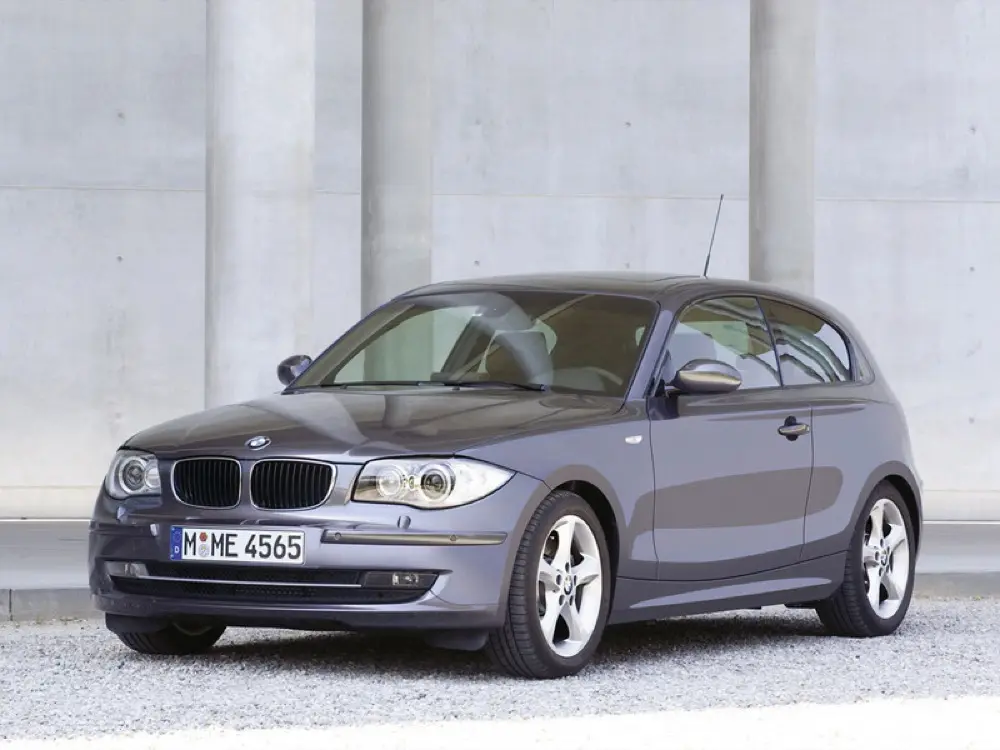
The BMW 1 Series is a series of compact luxury cars manufactured by the German automaker BMW since 2004. The BMW 118 is available in two models: 118i four-cylinder petrol, available in 3-door hatchback, 5-door hatchback and convertible body styles. In early 2006 the 5-speed manual transmission was phased out in favor of the 6-speed gearbox available across the rest of the range and odel 118d four-cylinder diesel, available in 3-door hatchback, 5-door hatchback, coupe and convertible body styles.
Frequently Asked Questions
How do I change the engine oil in a BMW 118?
Changing the engine oil in a BMW 118 is a straightforward process that can be completed with basic tools. Locate the oil drain plug and remove it to drain the oil into a suitable container. Replace the oil filter and refill the engine with the recommended oil type and amount.
How do I check the transmission fluid in my BMW 118?
Checking the transmission fluid level in a BMW 118 requires the engine to be running and the transmission to be in park or neutral. Locate the transmission dipstick, remove it, and check the fluid level. Add fluid as needed using the recommended type and amount.
How do I diagnose a check engine light in my BMW 118?
Diagnosing a check engine light in a BMW 118 requires using an OBD-II scanner to retrieve the diagnostic trouble codes (DTCs). Look up the code in the owner’s manual or online to determine the potential cause of the issue. Have the vehicle inspected by a professional mechanic to diagnose and resolve the issue.
How do I replace a headlight bulb in my BMW 118?
Replacing a headlight bulb in a BMW 118 requires removing the headlight assembly and accessing the back of the bulb. Replace the bulb and reassemble the headlight assembly. Always follow the manufacturer’s instructions and use the correct bulb type for your vehicle.
How do I replace the battery in my BMW 118?
Replacing the battery in a BMW 118 requires locating the battery compartment and removing the old battery. Install a new battery and follow the manufacturer’s instructions for resetting any necessary settings or codes.
How do I replace the brake pads in my BMW 118?
Replacing the brake pads in a BMW 118 requires removing the wheels, calipers, and old brake pads. Install new brake pads, reassemble the caliper and wheel, and test the brakes for proper function. Always follow the manufacturer’s instructions and use high-quality brake pads to ensure safe and reliable braking performance.
How do I replace the cabin air filter in my BMW 118?
Replacing the cabin air filter in a BMW 118 requires accessing the filter compartment under the dashboard. Remove the old filter and install a new one. A clean cabin air filter ensures optimal airflow into the cabin and reduces the amount of dust and pollutants in the air.
How do I replace the spark plugs in my BMW 118?
Replacing the spark plugs in a BMW 118 requires accessing the spark plug wells and removing the old plugs. Install new plugs and torque to the manufacturer’s specifications. Always use high-quality spark plugs and follow the manufacturer’s instructions for optimal engine performance.
How do I reset the service indicator in my BMW 118?
Resetting the service indicator in a BMW 118 requires accessing the on-board diagnostic system and following the manufacturer’s instructions. This typically involves pressing a series of buttons in a specific order and waiting for the system to reset.
How often should I change the air filter in my BMW 118?
The air filter in a BMW 118 should be changed every 30,000 miles or more frequently if driving in dusty or dirty conditions. A clean air filter ensures proper engine performance and fuel economy by allowing sufficient airflow to the engine.
What is the recommended coolant type for my BMW 118?
The recommended coolant type for a BMW 118 varies depending on the engine type and year. Check the owner’s manual or coolant cap for the recommended coolant type and use high-quality coolant that meets BMW’s specifications.
What is the recommended oil viscosity for my BMW 118?
The recommended oil viscosity for a BMW 118 varies depending on the engine type and operating conditions. Check the owner’s manual or oil cap for the recommended viscosity range and use high-quality oil that meets BMW’s specifications.
What is the recommended tire pressure for my BMW 118?
The recommended tire pressure for a BMW 118 is typically between 32-36 PSI depending on the tire size and load capacity. Check the owner’s manual or tire placard for the specific recommended tire pressure for your vehicle and adjust as needed for optimal handling and tire wear.
What should I do if my BMW 118 overheats?
If your BMW 118 overheats, pull over to a safe location and turn off the engine. Allow the engine to cool before opening the hood and checking the coolant level. Add coolant as needed and have the vehicle inspected by a professional mechanic to diagnose the cause of the overheating.
What type of fuel should I use in my BMW 118?
BMW recommends using premium unleaded gasoline with a minimum octane rating of 91 for the BMW 118. Using lower octane fuel may cause knocking and reduced performance. Always use high-quality fuel to ensure optimal engine performance and longevity.
