
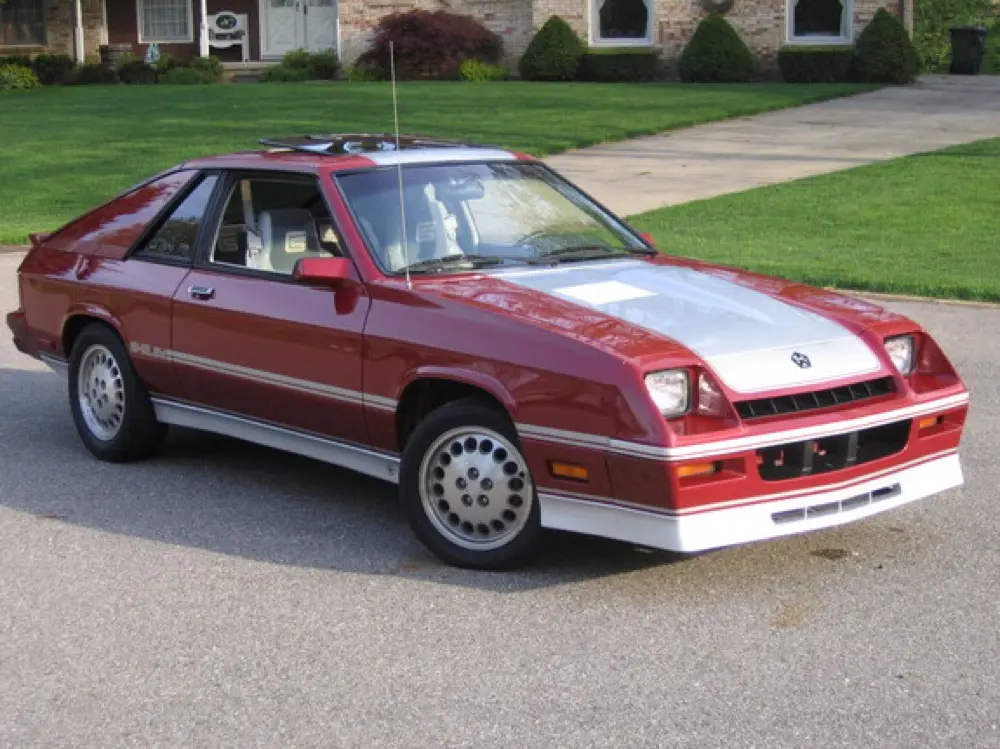
Originally introduced in 1964 by Chrysler Corporation, the Dodge Charger has been produced in three different platforms and
sizes which include subcompact hatchbacks, full-sized sedans, and personal luxury coupes. The last and current generation is rear wheel drive four-door sedan was introduced in 2005. It shares the LX platform with Chrysler 300. It was offered in SE, SXT, R/T,
R/T with Road/Track Performance Group, and Daytona R/T versions.
Frequently Asked Questions
How do I check the transmission fluid level in my Dodge Charger?
To check the transmission fluid level in your Dodge Charger, you’ll need to park on a level surface, start the engine, and shift through all the gears before returning to park. Then, locate the transmission dipstick and remove it to check the fluid level. If the level is low, add the recommended type of transmission fluid until it reaches the proper level.
How do I replace a blown fuse in my Dodge Charger?
To replace a blown fuse in your Dodge Charger, locate the fuse panel, which is typically located under the dashboard or in the engine compartment. Use the fuse diagram in the manual or on the fuse panel cover to locate the blown fuse. Remove the fuse and replace it with a new one of the same amperage rating.
How do I replace a burnt-out headlight bulb in my Dodge Charger?
To replace a burnt-out headlight bulb in your Dodge Charger, you’ll need to remove the headlight assembly by removing the screws or clips holding it in place. Then, disconnect the wiring harness and replace the bulb. Be sure to use the correct type of bulb for your vehicle and handle it with gloves to prevent oil from your hands from damaging the bulb.
How do I replace a damaged bumper on my Dodge Charger?
To replace a damaged bumper on your Dodge Charger, you’ll need to remove the old bumper by removing the bolts or clips holding it in place. Install the new bumper and reattach it using the same bolts or clips. Be sure to use a bumper that is compatible with your vehicle’s make and model.
How do I replace a damaged side mirror on my Dodge Charger?
To replace a damaged side mirror on your Dodge Charger, you’ll need to remove the interior door panel to access the mirror assembly. Then, disconnect the wiring harness and remove the bolts holding the mirror in place. Install the new mirror and reassemble the door panel. Be sure to use a mirror that is compatible with your vehicle’s make and model.
How do I reset the oil change light on my Dodge Charger?
To reset the oil change light on your Dodge Charger, turn the ignition to the “on” position without starting the engine. Then, press the gas pedal three times within 10 seconds. The oil change light should blink and then turn off, indicating that the system has been reset.
How often should I replace my Dodge Charger’s air filter?
The recommended interval for replacing your Dodge Charger’s air filter is every 12,000 to 15,000 miles. A clogged air filter can reduce engine performance and fuel economy, so it’s important to replace it regularly. If you frequently drive on dusty roads, you may need to replace the air filter more frequently.
What is the recommended interval for changing the brake fluid in my Dodge Charger?
The recommended interval for changing the brake fluid in your Dodge Charger is every 2 years or 30,000 miles, whichever comes first. Over time, brake fluid can absorb moisture and become contaminated, which can reduce braking performance and cause corrosion in the brake system. Regularly changing the brake fluid will help ensure proper brake function.
What is the recommended interval for replacing the cabin air filter in my Dodge Charger?
The recommended interval for replacing the cabin air filter in your Dodge Charger is every 15,000 to 25,000 miles. A dirty cabin air filter can reduce the effectiveness of your vehicle’s heating and air conditioning system, as well as reduce air quality inside the cabin. Regularly replacing the cabin air filter will help ensure proper system function.
What is the recommended interval for replacing the engine air filter in my Dodge Charger?
The recommended interval for replacing the engine air filter in your Dodge Charger is every 30,000 to 45,000 miles. A dirty air filter can reduce engine performance and fuel economy, so it’s important to replace it regularly. If you frequently drive on dusty roads, you may need to replace the air filter more frequently.
What is the recommended interval for replacing the spark plugs in my Dodge Charger?
The recommended interval for replacing the spark plugs in your Dodge Charger varies depending on the specific model year and engine type. Typically, it’s recommended to replace the spark plugs every 30,000 to 100,000 miles or every 3 to 7 years. Failing to replace the spark plugs can result in poor engine performance and reduced fuel economy.
What is the recommended interval for replacing the timing belt in my Dodge Charger?
The recommended interval for replacing the timing belt in your Dodge Charger varies depending on the specific model year and engine type. Typically, it’s recommended to replace the timing belt every 60,000 to 100,000 miles or every 5 to 8 years. Failing to replace the timing belt can result in serious engine damage if it breaks.
What is the recommended interval for rotating the tires on my Dodge Charger?
The recommended interval for rotating the tires on your Dodge Charger is every 5,000 to 7,500 miles. Rotating the tires helps ensure even wear and prolongs tire life. Be sure to follow the recommended rotation pattern for your specific vehicle.
What is the recommended tire pressure for my Dodge Charger?
The recommended tire pressure for your Dodge Charger can be found in the manual and on a sticker located on the driver’s side door jamb. Maintaining the proper tire pressure is important for safety, handling, and tire life. Underinflated tires can lead to poor fuel economy and overinflated tires can reduce traction and handling.
What type of engine oil should I use in my Dodge Charger?
Always use the recommended engine oil grade and viscosity mentioned in your Dodge Charger’s manual to ensure proper engine performance and longevity. Using the wrong type of oil can result in poor fuel economy, engine sludge, and reduced engine life. Regular oil changes using the recommended oil type will help keep your engine running smoothly.
