
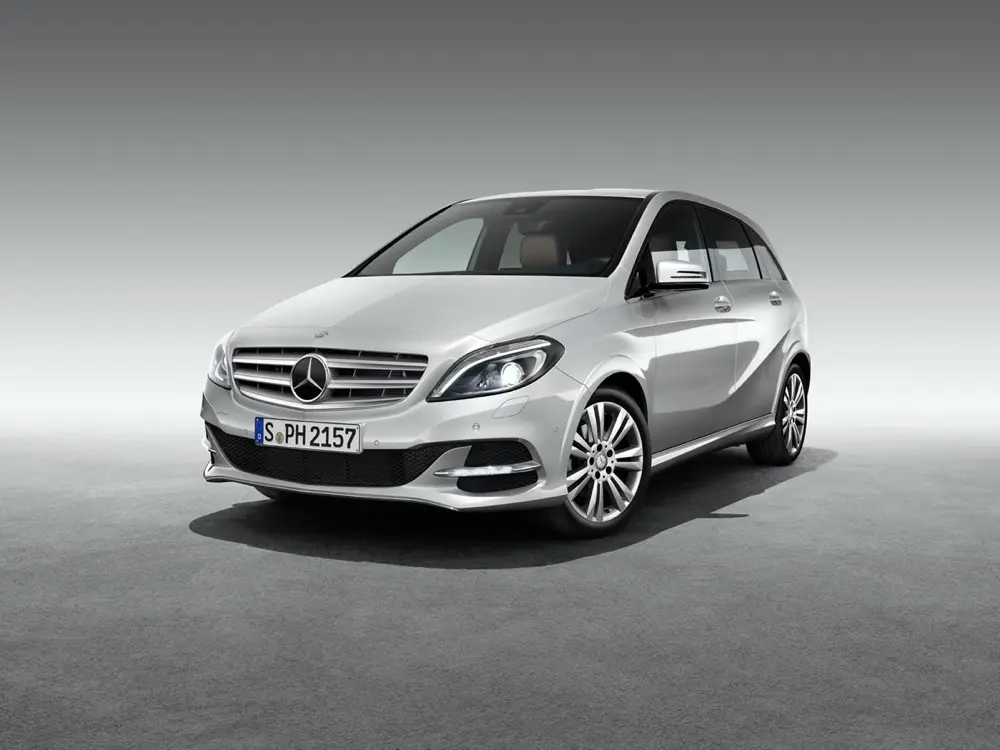
The Mercedes-Benz B-Class is a compact luxury car introduced by German automaker Mercedes-Benz. It is essentially an enlarged A-Class keeping some of the engines, but with other more powerful ones available. The B-Class is a front wheel drive vehicle. Mercedes-Benz describes the B-Class as a Compact Sports Tourer instead of hatchback or multi-purpose vehicle, like its R-Class model, which is called a Grand Sports Tourer. The B200 is powered by the same 1.6 as the B180 but pushed to 156 hp. B200 CDI uses same engine but with the power raised to 136 hp. Its top speed is listed as 225 km/h.
Frequently Asked Questions
How often should I change the oil in my Mercedes B 200?
The oil in a Mercedes B 200 should be changed every 10,000 miles or once a year, whichever comes first. Regular oil changes are crucial for maintaining the engine’s performance and prolonging its lifespan. Neglecting to change the oil at the recommended intervals can lead to engine damage and decreased fuel efficiency.
How often should I check the battery in my Mercedes B 200?
It is recommended to check the battery in a Mercedes B 200 at least twice a year or before long trips. Regularly inspect the battery terminals for any corrosion or loose connections. Additionally, consider testing the battery’s voltage and charging system periodically to ensure proper functionality and avoid unexpected battery failure.
How often should I flush the coolant system in my Mercedes B 200?
The coolant system in a Mercedes B 200 should be flushed and the coolant replaced approximately every 100,000 miles or every five years, whichever comes first. Flushing the coolant system helps remove any contaminants or debris that can affect its performance and cause potential overheating issues. Regular maintenance of the coolant system is vital for the engine’s longevity and efficient operation.
How often should I inspect the suspension components in my Mercedes B 200?
It is recommended to inspect the suspension components of a Mercedes B 200 every 30,000 miles or every two years, whichever comes first. Regularly check for signs of wear, such as excessive play, leaking shocks, or abnormal tire wear. Maintaining a well-functioning suspension system is essential for optimal handling, ride comfort, and overall vehicle safety.
How often should I replace the air filter in my Mercedes B 200?
The air filter in a Mercedes B 200 should be replaced every 30,000 miles or every three years, depending on which comes first. A clean and properly functioning air filter is essential for maintaining good engine performance and fuel efficiency. Neglecting to replace a dirty or clogged air filter can restrict airflow to the engine, leading to reduced power and increased fuel consumption.
How often should I replace the brake pads on my Mercedes B 200?
The brake pads on a Mercedes B 200 typically need to be replaced every 30,000 to 50,000 miles, depending on driving conditions and usage. However, it is essential to inspect the brake pads regularly for wear and listen for any unusual noises or vibrations while braking. If the brake pads are worn beyond the recommended thickness, they should be replaced promptly to ensure safe braking performance.
How often should I replace the fuel filter in my Mercedes B 200?
The fuel filter in a Mercedes B 200 typically needs to be replaced every 60,000 to 90,000 miles, depending on driving conditions and fuel quality. Regularly inspect the fuel filter for any signs of clogging or restriction, such as reduced fuel flow or engine performance issues. A clean and properly functioning fuel filter is essential for maintaining fuel system efficiency and protecting the engine from contaminants.
How often should I replace the spark plugs in my Mercedes B 200?
The spark plugs in a Mercedes B 200 typically need to be replaced every 50,000 to 60,000 miles, depending on driving conditions and the specific spark plug type. Regularly inspect the spark plugs for signs of wear or fouling, and replace them as necessary. Properly functioning spark plugs are crucial for efficient combustion, optimal engine performance, and fuel economy.
How often should I rotate the tires on my Mercedes B 200?
It is recommended to rotate the tires on a Mercedes B 200 every 5,000 to 7,500 miles, or as per the manufacturer’s guidelines. Regular tire rotations help promote even tire wear, extend tire life, and maintain optimal traction and handling. Neglecting tire rotations can result in uneven wear patterns, reduced tire performance, and potentially compromise vehicle safety.
What is the lifespan of the timing belt in a Mercedes B 200?
The timing belt in a Mercedes B 200 typically needs to be replaced every 60,000 to 100,000 miles, depending on the specific engine model and driving conditions. It is crucial to follow the manufacturer’s recommended interval for timing belt replacement to prevent potential engine damage or failure. If the timing belt shows signs of wear, such as cracking or fraying, it should be replaced promptly to avoid costly repairs.
What is the recommended interval for changing the cabin air filter in my Mercedes B 200?
The cabin air filter in a Mercedes B 200 should be replaced every 20,000 to 30,000 miles, or approximately every two years. A clean cabin air filter helps maintain good air quality inside the vehicle by filtering out dust, pollen, and other particulates. Neglecting to replace a dirty cabin air filter can reduce the effectiveness of the vehicle’s HVAC system and lead to poor air circulation.
What is the recommended tire pressure for my Mercedes B 200?
The recommended tire pressure for a Mercedes B 200 typically ranges between 32 and 35 PSI (pounds per square inch), depending on the specific model and tire size. It is crucial to maintain the correct tire pressure to ensure optimal handling, tire wear, and fuel efficiency. Regularly check and adjust the tire pressure according to the manufacturer’s specifications.
What type of coolant should I use in my Mercedes B 200?
The Mercedes B 200 requires a specific type of coolant known as Mercedes-Benz Antifreeze/Coolant. It is important to use the correct coolant recommended by the manufacturer to prevent overheating, protect against corrosion, and maintain the engine’s optimal operating temperature. Using the wrong coolant can lead to cooling system issues and potential engine damage.
What type of engine oil should I use in my Mercedes B 200?
The Mercedes B 200 requires a specific type of engine oil that meets the manufacturer’s specifications, typically labeled as Mercedes-Benz approved oil. It is important to use the recommended oil viscosity and quality to ensure proper lubrication and optimal engine performance. Using the wrong type of oil can lead to engine damage and void any warranty coverage.
What type of transmission fluid should I use in my Mercedes B 200?
The Mercedes B 200 requires a specific type of transmission fluid, which is known as Mercedes-Benz Automatic Transmission Fluid (ATF). It is important to use the correct fluid recommended by the manufacturer to ensure optimal performance and avoid potential transmission issues. Using the wrong type of fluid can lead to transmission problems and potentially costly repairs.
