
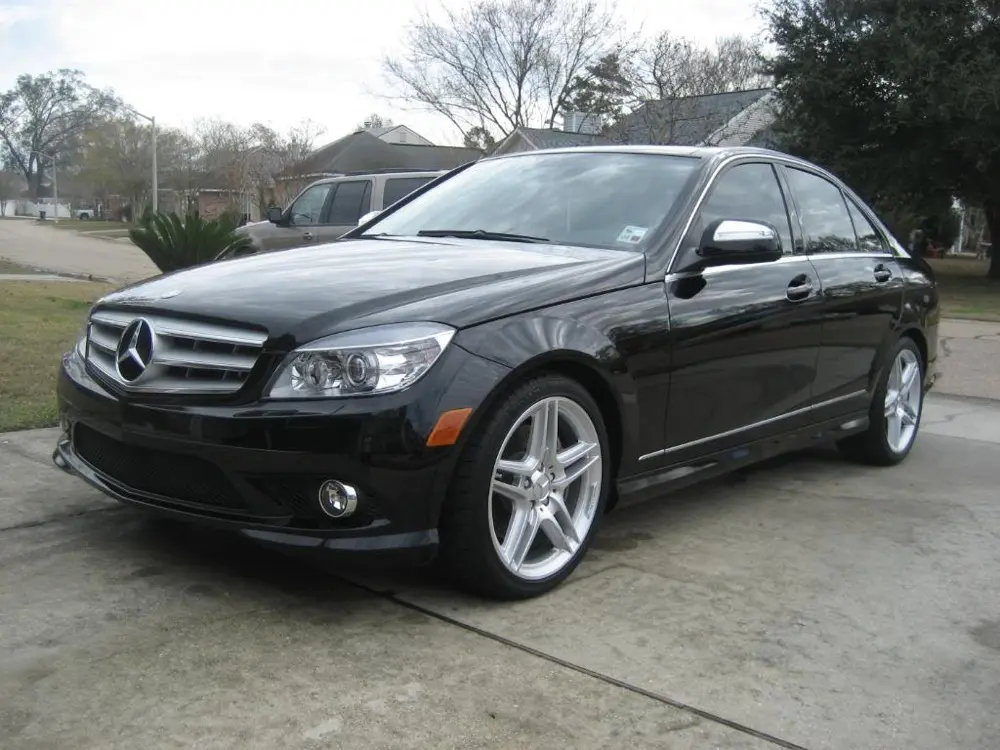
The Mercedes-Benz C-Class is a line of compact executive cars produced by Daimler AG. Introduced in 1993 as a replacement for the 190 (W201) range, the C-Class was the smallest model in the marque’s lineup until the A-Class arrived in 1997. Although originally sold as sedan and station wagon, the W203 series in 2000 debuted a fastback/hatchback coupe version that, when facelifted, became the Mercedes-Benz CLC-Class. On 10 December 2009, Daimler announced the production of the C-Class will be concentrated at the Bremen plant with additional production in the United States for the local market. C 350 can accelerate from 0-62 mph in 5.9 seconds. This model has top speed listed as 155 mph.
Frequently Asked Questions
Can I use a higher octane fuel than recommended for my Mercedes C 350?
While it is generally not necessary to use a higher octane fuel than recommended for your Mercedes C 350, it can be used without causing harm to the engine. However, using a higher octane fuel will not provide any additional benefits or improve performance unless the vehicle specifically requires it. It is best to adhere to the manufacturer’s recommendations to ensure optimal performance, fuel efficiency, and avoid unnecessary expenses.
Can I use aftermarket parts for repairs on my Mercedes C 350?
While aftermarket parts may be available for your Mercedes C 350, it is generally recommended to use genuine Mercedes-Benz parts for repairs. Genuine parts are specifically designed and tested to meet the highest quality and performance standards set by the manufacturer. They ensure proper fit, compatibility, and reliability, which can help maintain the optimal performance and resale value of your vehicle.
Can I use regular gasoline for my Mercedes C 350?
No, it is not recommended to use regular gasoline for your Mercedes C 350. This vehicle requires premium unleaded gasoline with an octane rating of at least 91. Using lower octane fuel can lead to engine knocking, decreased performance, and potential long-term damage. Always follow the manufacturer’s guidelines to ensure optimal performance and longevity of your vehicle.
How often should I change the air filter in my Mercedes C 350?
The air filter in your Mercedes C 350 should be replaced approximately every 30,000 miles or as indicated by the maintenance schedule. However, in dusty or polluted environments, it is recommended to inspect and replace the air filter more frequently to maintain optimal engine performance and fuel efficiency. Regularly checking and replacing the air filter will ensure proper airflow and protect the engine from potential damage.
How often should I change the transmission fluid in my Mercedes C 350?
The transmission fluid in your Mercedes C 350 should be changed approximately every 40,000 to 60,000 miles, depending on driving conditions and your vehicle’s maintenance schedule. Regularly changing the transmission fluid helps maintain smooth shifting, prolongs the life of the transmission, and ensures optimal performance. Consult the owner’s manual for the specific intervals and recommended fluid type for your vehicle.
How often should I flush and replace the coolant in my Mercedes C 350?
The coolant in your Mercedes C 350 should be flushed and replaced approximately every 3 to 5 years, or as recommended by the manufacturer. Over time, coolant can become contaminated and lose its effectiveness, leading to potential engine overheating and cooling system malfunctions. Regular coolant flushes help maintain proper cooling system function, prevent corrosion, and ensure optimal engine performance.
How often should I replace the brake pads on my Mercedes C 350?
Brake pad replacement intervals can vary depending on driving habits, road conditions, and the type of brake pads used. However, as a general guideline, it is recommended to inspect the brake pads every 15,000 miles and replace them when the thickness is around 3mm or less. Regularly checking the brake pads and replacing them when necessary ensures optimal braking performance and safety.
How often should I replace the cabin air filter in my Mercedes C 350?
The cabin air filter in your Mercedes C 350 should be replaced approximately every 15,000 to 30,000 miles or as indicated by the maintenance schedule. Regularly changing the cabin air filter helps maintain clean and fresh air inside the vehicle, improves HVAC system performance, and reduces potential allergens and pollutants. Follow the owner’s manual or consult a Mercedes-Benz service professional for the specific replacement intervals and filter specifications.
How often should I replace the serpentine belt on my Mercedes C 350?
The serpentine belt in your Mercedes C 350 should be inspected regularly and replaced approximately every 60,000 to 100,000 miles or as indicated by the maintenance schedule. A worn or damaged serpentine belt can lead to engine overheating, loss of power steering, and various other issues. Regularly replacing the serpentine belt helps ensure reliable operation of the engine accessories and prevents potential belt failure.
How often should I replace the spark plugs on my Mercedes C 350?
The spark plugs in your Mercedes C 350 should be replaced approximately every 60,000 to 100,000 miles, depending on the specific engine model and the manufacturer’s recommendations. Regularly replacing the spark plugs ensures proper ignition, optimal fuel efficiency, and smooth engine operation. Consult the owner’s manual or a Mercedes-Benz service professional for the recommended spark plug replacement interval for your vehicle.
How often should I rotate the tires on my Mercedes C 350?
Tire rotation intervals for your Mercedes C 350 can vary depending on driving conditions, tire wear patterns, and the specific tire manufacturer’s recommendations. As a general guideline, it is recommended to rotate the tires every 5,000 to 8,000 miles to promote even tread wear and prolong tire life. Regular tire rotations help maintain optimal handling, traction, and improve overall tire performance.
What is the recommended battery type for my Mercedes C 350?
Your Mercedes C 350 requires a specific type of battery known as an AGM (Absorbent Glass Mat) battery. AGM batteries offer superior performance, durability, and resistance to vibration. They are designed to meet the power requirements of the vehicle’s electrical systems and ensure reliable starting in various weather conditions. It is essential to use the recommended AGM battery to avoid potential electrical system malfunctions and ensure proper operation.
What is the recommended tire pressure for my Mercedes C 350?
The recommended tire pressure for your Mercedes C 350 can vary depending on the tire size and load conditions. Generally, the recommended tire pressure ranges from 32 to 36 psi for the front tires and 35 to 39 psi for the rear tires. However, it is crucial to refer to the sticker on the driver’s side door jamb or the owner’s manual for the precise tire pressure specifications for your specific vehicle.
What type of coolant should I use for my Mercedes C 350?
Your Mercedes C 350 requires a specific type of coolant known as Mercedes-Benz-approved coolant, which meets the specifications of MB 325.0 or MB 325.1. This coolant is designed to provide proper cooling and corrosion protection for the engine. It is important to use the recommended coolant to prevent potential cooling system issues and maintain the longevity of your vehicle.
What type of engine oil should I use for my Mercedes C 350?
For your Mercedes C 350, it is recommended to use synthetic engine oil with a viscosity of 5W-40. This type of oil provides optimal lubrication and protection for the engine, especially in extreme temperatures. Always refer to the owner’s manual for the specific oil specifications and change intervals for your vehicle.
