
History of the VW Golf
With more than 35-million units sold worldwide. The Volkswagen Golf sits firmly as the second best- selling car of all time. First arriving in 1974, the Golf was designed as a front-wheel-drive, front-engine mounted replacement. For the rear-wheel-drive, rear-engine mounted Beetle. It went by several nameplates, depending on the country sold. These include the Rabbit, the Caribe, the Vento, and the Bora. Awards include the “World Car of the Year” in both 2009 and 2013. The “European Car of the Year” in 1992 and 2013, as well as Motor Trends “Car of the Year” in 2015. It was also the first imported car in Japan to win the “Car of the Year” award, for both 2013 and 2014.
The Golf has come a long way in the eight generations of its existence. Let us now go over each in detail.
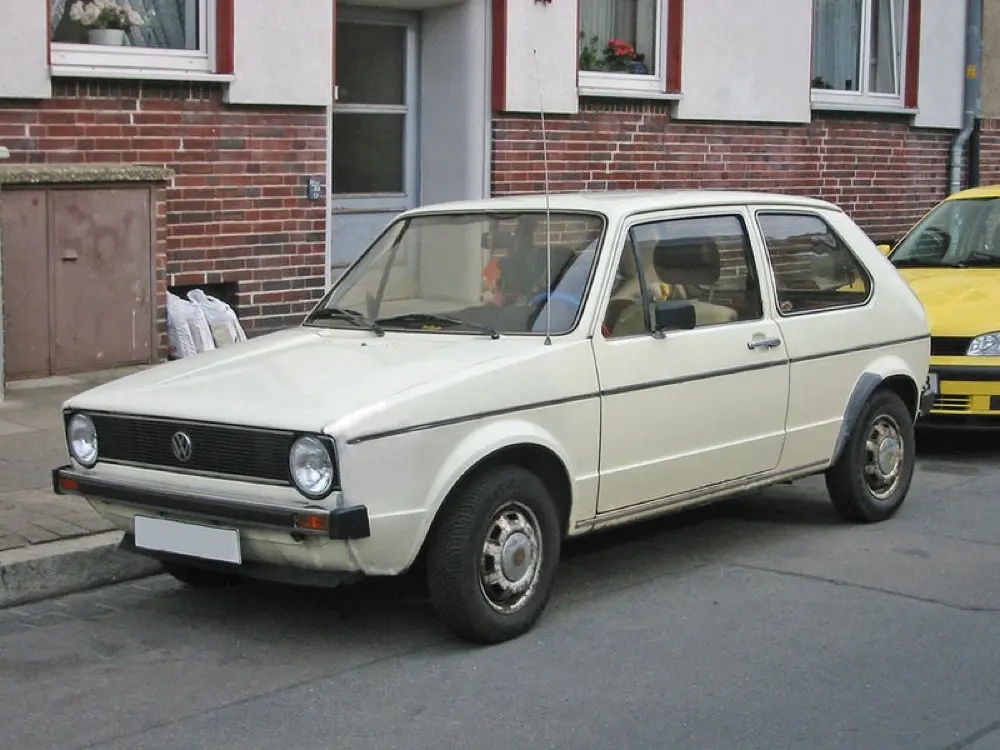
Generation 1 – (1974-1983)

The first-gen Golf (also known as the MK1) was a hit right out of the gate. And within only two years had sold more than a million units. While the VW Beetle had a top speed of only 80-MPH. The Golf could reach speeds over 110-MPH, making it much more fun for the daily driver. By 1976, the legendary GTI arrived, a performance variant that featured a 1.6-liter 4-cylinder for those seeking a little more pep. While at first, the Golf only came with two transmission options, a four-speed manual and a three-speed automatic. But by 1979, a five-speed was also available.
Further milestones included a diesel engine in 1976, a wagon variant in 1979, and a convertible in 1980.
Generation 2 – (1983-1992)
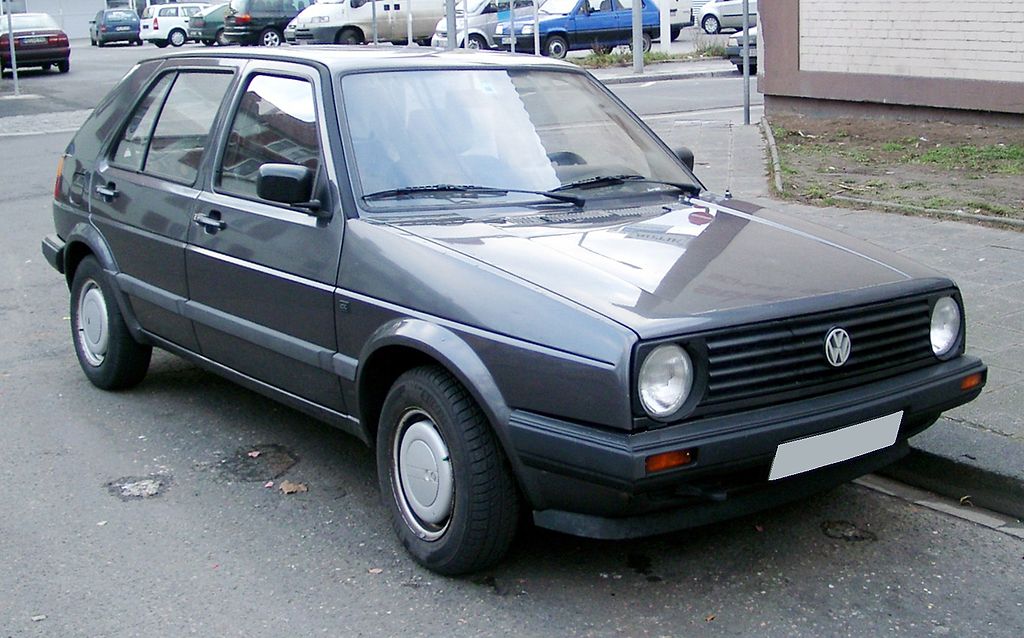
1983 saw the release of the MK2. All around the Golf was larger, including the wheelbase, as well as inside and out. These added dimensions made the MK2 significantly more comfortable to drive, with better handling as well. Styling remained close to the previous generation but was slightly more rounded. The latest GTI model saw an upgrade as well, in the form of a new 1.8-liter 4-cylinder, which brought the top speed up to 137-MPH. By 1985 the first-ever AWD variant became available, known as the Golf Syncro (due to the Syncro AWD system).
Nearly 7-million 2nd generation Golfs sold during their 9-year run, solidifying it as a favorite around the world.
Generation 3 – (1992-1998)

The 3rd generation of the VW Golf brought modern styling, a new diesel engine, and three new body styles to eager fans worldwide. Overall the dimensions grew again, though the wheelbase remained the same. Safety became a focus, which led to the creation of the first-ever Golf to feature front-airbags. In 1993, the first turbo-diesel with direct injection (TDI) was born. Using a 1.9-liter 4-cylinder, capable of an
impressive 32-MPG on the highway. Another safety milestone happened in 1996 when ABS brakes became standard across the entire lineup.
Body styles added included an Estate and a notchback. As well as a new MK3 based Cabriolet (previously on a 13-year run since the MK1).
Generation 4 – (1998-2003)
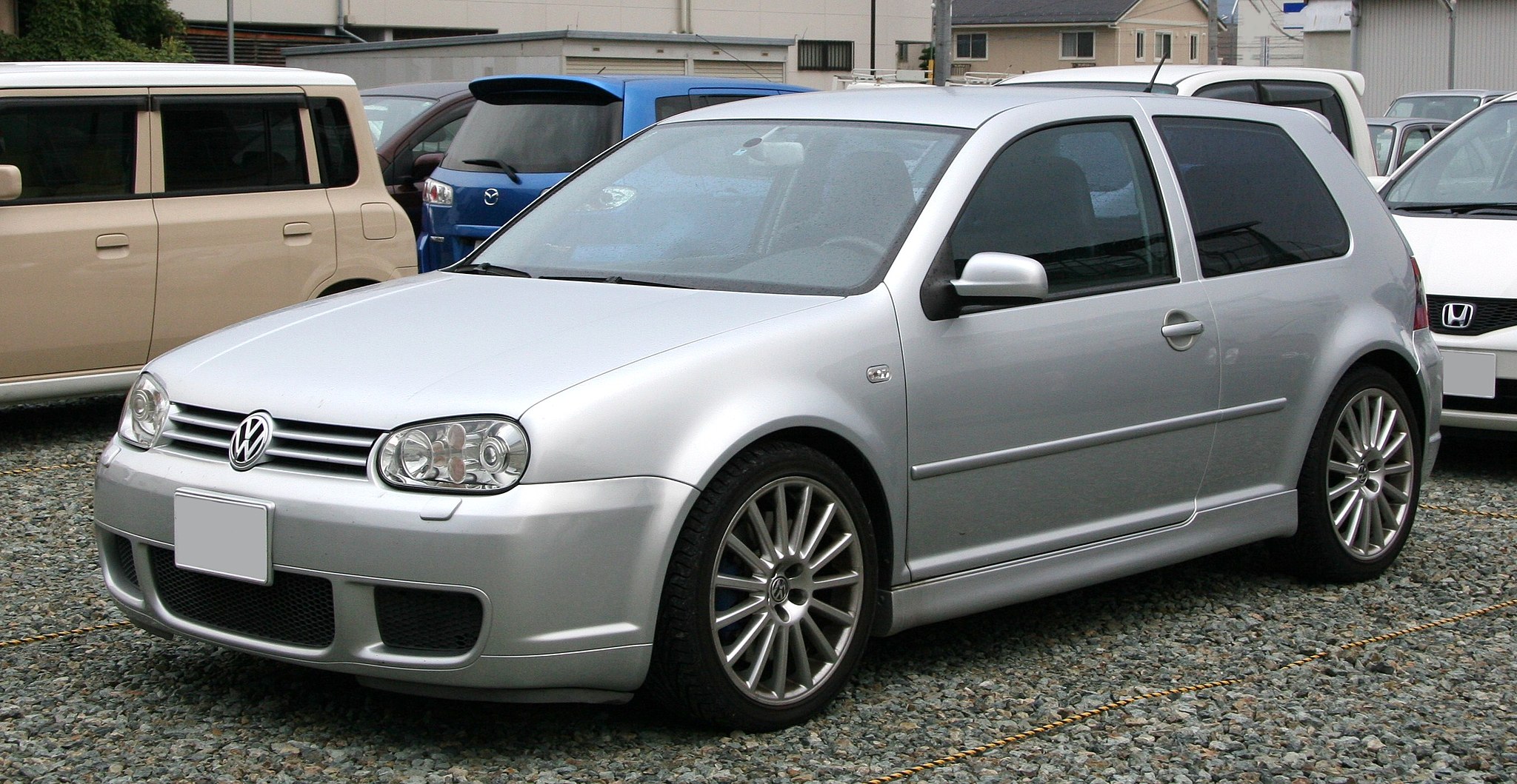
The release of the MK4 saw great things in store for the popular Golf. New styling cues were an instant hit, some of which have carried through to today. In 1998, VW released the wildly adored 4MOTION AWD system. As well as electronic stability control (ESC). Also added was a Haldex clutch. Which featured a system that compiled data from the driver through the throttle, transmission, and brakes. With these three improvements combined, the handling for the 4th generation Golf was unmatched. In 2002, head airbags became standard. And for the first time, the infamous DSG transmission made its way into the Golf.
For this reason, VW released the R32, a performance variant meant to eclipse even the GTI. It did this using a monstrous 3.2-liter V6 that gave it a top speed of 155-MPH and a 0-60 time in a staggering 6.6 seconds. By the year 2000, more than 20-million units had sold worldwide.
Generation 5 – (2003-2008)
While not as well-received initially as the MK4, the MK5 still sold more than the previous iterations. Complaints centered around the quality of the interior, as well as the design of the rear bumper. To help bolster sales, for a limited-time VW made AC a standard feature. Engine options included a standard 2.5- liter 4-cylinder, a turbocharged 2.0-liter on the GTI. And later, a smaller 1.4-liter turbocharged 4- cylinder. In 2007, VW released the BlueMotion edition, an eco-friendly version of the Golf that could hit as high as 62-MPG on the highway.
Performance options included a brand-new 4-link rear suspension, as well as a seven-speed DSG transmission. The 2006 TSI Edition featured the world’s first “twin-charger” engine, which featured a turbo, as well as a supercharger, paired to a 1.4-liter 4-cylinder.
Generation 6 – (2008-2012)
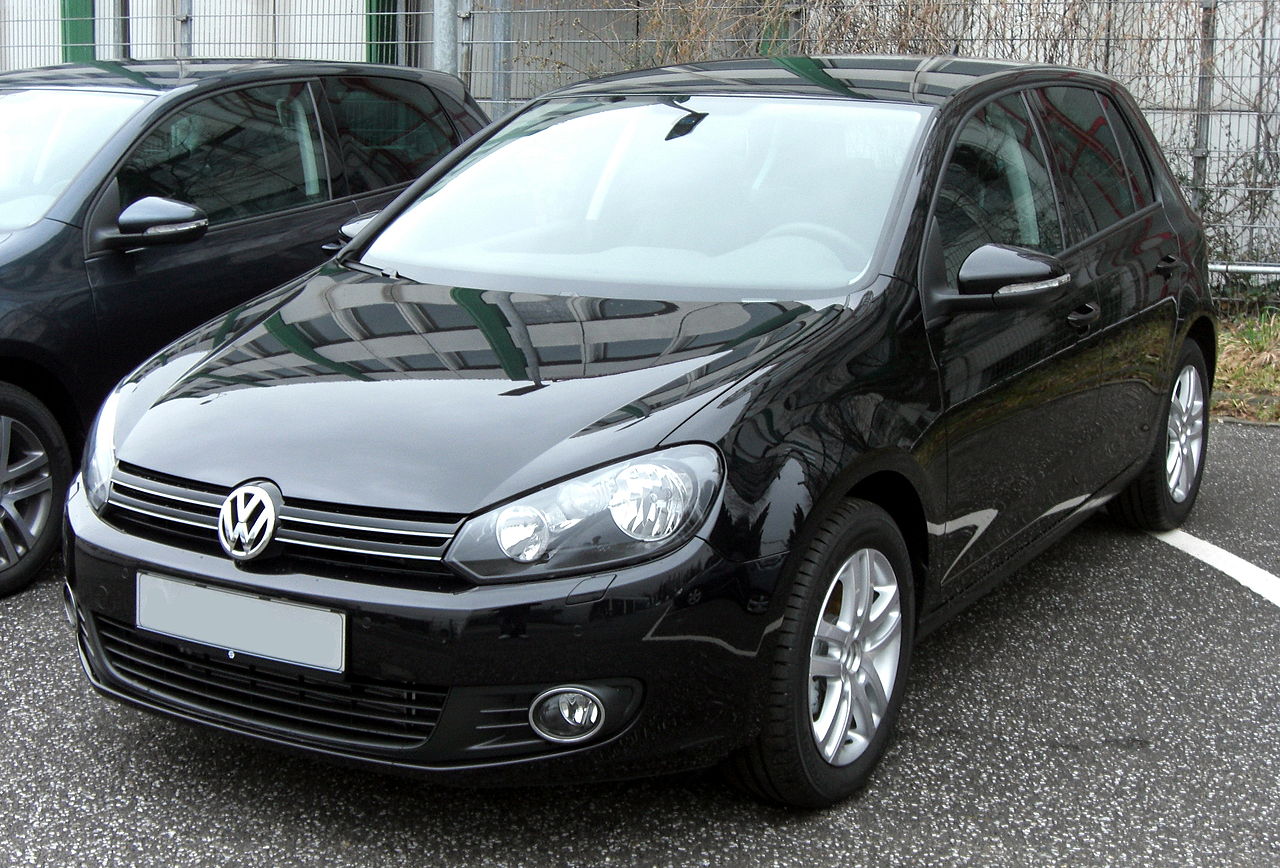
And then there came the MK6, the most refined Golf ever created. By this point, it was clear that Volkswagen’s popular compact had great things in store. First was the styling, which was sleek and aerodynamic compared to previous generations. Then came the interior – which to this day, is said to be one of the most significant improvements over the MK5. Safety was also upgraded, using a new laser- welded frame and an improved ESC system. New tech included park assist and adaptive cruise control. These changed helped the MK6 achieve a 5-star safety rating from EuroNCAP.
Transmission options included a 5, or 6-speed manual, or a 6, or 7-speed automatic. Engine choices were the standard 2.5-liter 4-cylinder, a 2.0-liter TDI, or a 2.0-liter turbocharged 4-cylinder. The latest rendition of the eco-friendly BlueMotion also upped the game with an astonishing 74.3-MPG.
The performance-tuned R32 continued as the Golf R, equipped with a 2.0-liter TSI turbocharged engine that carried it from 0-60 in a mere 5.5-seconds. The R also came equipped with a Haldex 4MOTION AWD system.
Generation 7 – (2012-Present)
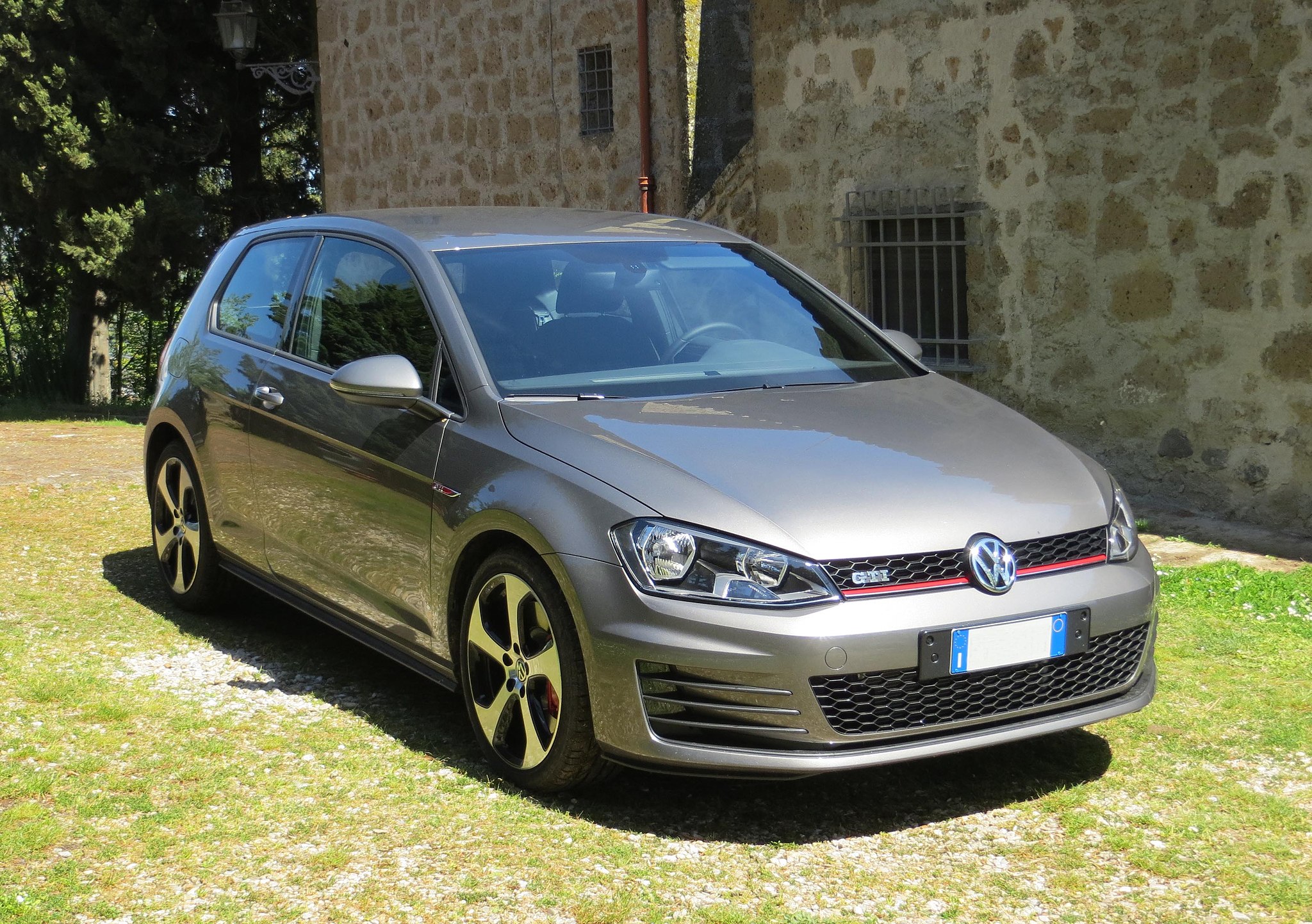
The MK7 sat on the new MQB platform used by models such as the luxurious Audi A3. Although larger than the MK6, the MK7 was100kg lighter. For the first time, this latest Golf came packed with advanced safety tech. Including an automatic collision braking system, lane-keep assist, driver fatigue detection, an automatic parking system, and a PreCrash occupant protection system. The eGolf arrived in 2015. An electric variant that initially had a range of around 83 miles per charge. But by 2017 could reach as much as 190 miles per charge.
The latest Golf R also saw improvements. When equipped with the DSG transmission, it could reach 0-60 in only 4.9-seconds, with a top speed of 155-MPH. In 2016 the MK7 received a facelift, with added tech including a 12.3-inch virtual cockpit and full LED lights.
Generation 8 – (Early 2020)
At the time of writing, the release of the MK8 is only a few months away. Although the exterior styling cues remain similar to the MK7, there’s no denying the sleeker lines. The most noticeable improvements arrive in the form of interior tech. As standard equipment, all Golf models come with a 10.25-inch digital instrument cluster, as well as an 8.25-inch infotainment screen (with an optional 10- inch). There’s also a new gear shifting console that does away with the traditional knob. Some of the most impressive news circles around the five available hybrid powertrains, two being plug-in variants.
The world is waiting patiently for more details on the MK8. One thing we know for sure, is that the next generation VW Golf is sure to continue the cycle of affordable comfort, advanced safety tech, and top- notch performance.
Frequently Asked Questions
How do I change the brake pads in a Volkswagen Golf?
To change the brake pads in a Volkswagen Golf, start by safely lifting the vehicle and removing the wheels. Locate the brake caliper and remove the retaining bolts. Carefully compress the caliper piston using a C-clamp or a specialized brake piston tool. Remove the old brake pads and install the new ones, ensuring proper alignment and fit. Reattach the brake caliper, tighten the retaining bolts, and repeat the process for the remaining wheels. Before driving, pump the brake pedal to restore proper brake pad contact and verify braking performance.
How do I change the cabin air filter in a Volkswagen Golf?
To change the cabin air filter in a Volkswagen Golf, start by locating the filter housing, which is usually located behind the glove compartment or under the dashboard. Remove any retaining clips or screws to access the filter housing. Take out the old cabin air filter, noting its orientation for proper replacement. Insert the new filter, ensuring it is correctly aligned and fits snugly. Reattach the filter housing cover and secure it with the retaining clips or screws. Regularly replacing the cabin air filter helps maintain clean air quality inside the vehicle.
How do I change the oil filter in a Volkswagen Golf?
To change the oil filter in a Volkswagen Golf, locate the oil filter housing underneath the vehicle. Use an oil filter wrench to remove the old filter, making sure to catch any oil that may spill. Install the new filter, ensuring it is properly aligned and tightened according to the manufacturer’s specifications.
How do I check the tire pressure in a Volkswagen Golf?
To check the tire pressure in a Volkswagen Golf, first, ensure the tires are cold. Locate the recommended tire pressure values on the sticker inside the driver’s door jamb or in the owner’s manual. Use a tire pressure gauge to measure the pressure of each tire, including the spare if applicable. If the tire pressure is below the recommended level, add air until it reaches the appropriate pressure. Regularly checking and maintaining proper tire pressure enhances safety, fuel efficiency, and tire longevity.
How do I check the transmission fluid in a Volkswagen Golf?
To check the transmission fluid in a Volkswagen Golf, ensure the vehicle is on a level surface and the engine is running at operating temperature. Locate the transmission dipstick, typically found near the back of the engine bay. Remove the dipstick, wipe it clean, and reinsert it fully. Remove the dipstick again and check the fluid level, ensuring it falls within the designated range. If necessary, add the recommended transmission fluid through the dipstick tube, taking care not to overfill. Regularly checking and maintaining proper transmission fluid levels contributes to optimal performance and longevity.
How do I replace a headlight bulb in a Volkswagen Golf?
To replace a headlight bulb in a Volkswagen Golf, first, open the hood and locate the back of the headlight housing. Carefully disconnect the wiring harness from the back of the bulb and remove the bulb retainer clip, if applicable. Gently twist and pull the old bulb out, ensuring not to touch the glass portion. Insert the new bulb, secure it with the retainer clip, and reconnect the wiring harness. Test the headlight to ensure it is functioning correctly.
How do I replace a spark plug in a Volkswagen Golf?
To replace a spark plug in a Volkswagen Golf, start by locating the spark plug wires or ignition coil, depending on the engine configuration. Disconnect the wire or coil from the spark plug, and using a spark plug socket and ratchet, remove the old spark plug. Ensure the spark plug gap of the new plug matches the manufacturer’s specifications and install it by hand, followed by carefully tightening it with the spark plug socket. Reconnect the spark plug wire or ignition coil, making sure it is securely attached. Repeat the process for the remaining spark plugs.
How do I replace the battery in a Volkswagen Golf?
To replace the battery in a Volkswagen Golf, start by turning off the ignition and ensuring all electrical components are switched off. Locate the battery, typically found in the engine compartment or trunk. Disconnect the negative (-) cable first, followed by the positive (+) cable. Remove any retaining brackets or clamps and carefully lift out the old battery. Install the new battery, reconnecting the positive (+) cable first, then the negative (-) cable. Ensure a secure connection and test the battery to ensure proper functionality.
How do I replace the fuel filter in a Volkswagen Golf?
To replace the fuel filter in a Volkswagen Golf, locate the filter, typically found along the fuel line underneath the vehicle or near the fuel tank. Ensure the engine is cool and relieve the fuel system pressure by removing the fuel pump fuse or relay and starting the engine until it stalls. Use caution and follow proper fuel safety procedures. Disconnect the fuel lines from the filter, noting their positions for correct reinstallation. Remove the old filter and install the new one, reconnecting the fuel lines securely. Before driving, check for any fuel leaks and verify proper fuel system operation.
How do I replace the serpentine belt in a Volkswagen Golf?
To replace the serpentine belt in a Volkswagen Golf, start by locating the belt routing diagram, usually found on a decal under the hood. Use a wrench or belt tensioner tool to relieve tension on the belt, allowing for removal. Carefully note the belt’s routing pattern or refer to the diagram. Install the new belt, ensuring it follows the correct path and sits securely on all pulleys. Release the tensioner tool, double-check the belt’s alignment, and start the engine to verify proper operation. Regularly inspecting and replacing the serpentine belt helps prevent unexpected breakdowns and ensures proper accessory operation.
How do I reset the maintenance light in a Volkswagen Golf?
To reset the maintenance light in a Volkswagen Golf, insert the key into the ignition and turn it to the “ON” position without starting the engine. Press and hold the “0.0/SET” button on the instrument cluster until the maintenance light starts flashing or resets. Release the button, and the maintenance light should be reset. It is essential to consult the owner’s manual for specific instructions as the reset procedure may vary depending on the model year and trim level of the Volkswagen Golf.
How do I troubleshoot a power window issue in a Volkswagen Golf?
If you are experiencing a power window issue in a Volkswagen Golf, start by checking the fuse related to the power windows. If the fuse is intact, inspect the window switches for any signs of damage or malfunction. Test the window operation from both the driver’s master control panel and the individual window switch. Additionally, check for any wiring issues or window regulator/motor problems that may require professional attention. For more detailed troubleshooting steps, consult the Volkswagen Golf repair manual or seek assistance from a qualified technician.
How do I troubleshoot an engine misfire in a Volkswagen Golf?
If you are experiencing an engine misfire in a Volkswagen Golf, start by checking the spark plugs and ignition coils for any signs of damage or wear. Inspect the spark plug wires for proper connection and condition. Additionally, check for any vacuum leaks, fuel injector issues, or faulty sensors that may contribute to the misfire. If the issue persists, it is recommended to consult a professional mechanic or refer to the Volkswagen Golf repair manual for specific diagnostic procedures.
How often should I change the air filter in a Volkswagen Golf?
The air filter in a Volkswagen Golf should be changed approximately once a year or every 12,000 to 15,000 miles, depending on driving conditions. However, it is recommended to inspect the air filter regularly and replace it sooner if it appears dirty or clogged. A clean air filter promotes proper airflow to the engine, improving fuel efficiency and prolonging engine life.
What type of coolant should I use in a Volkswagen Golf?
It is recommended to use a high-quality, ethylene glycol-based coolant that meets the specifications outlined in the Volkswagen Golf owner’s manual. This type of coolant provides effective cooling and protection against corrosion. Before adding coolant, make sure the engine is cool and follow the proper mixing ratios as specified by the manufacturer.
