
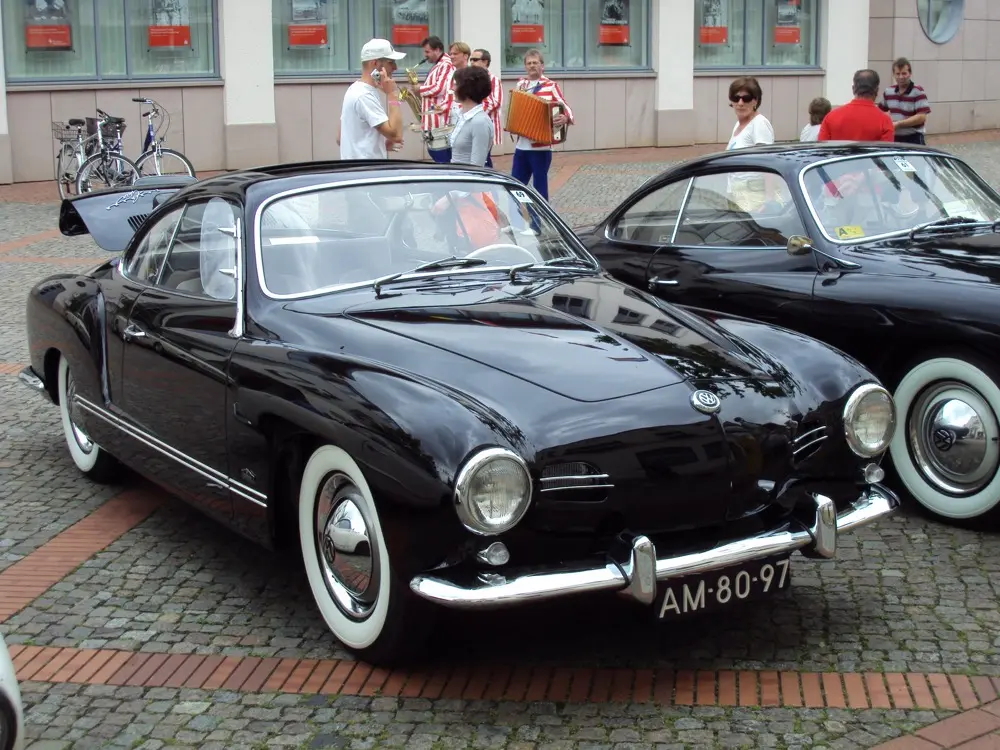
The Volkswagen Karmann Ghia is a sports car marketed in 2+2 coupe (1955 1974) and convertible (1957 1974) body styles by Volkswagen. Production doubled soon after its introduction, becoming the car most imported into the U.S. It was built with 1.2L, 1.5L and 1.6L petrol engines. Its top speed is listed as 150 km/h. American industrial designer Walter Dorwin Teague included the Karmann Ghia in his list of the world’s most beautifully designed products. In total, 445,238 units of this car were built.
Frequently Asked Questions
How can I diagnose a brake problem in my Volkswagen Karmann Ghia?
If you are experiencing brake issues in your Volkswagen Karmann Ghia, start by checking the brake fluid level and condition. Low brake fluid or contaminated fluid can affect brake performance. Inspect the brake pads and rotors for any signs of wear or damage and replace them as necessary. If the problem persists, it may be necessary to inspect the brake lines, calipers, and master cylinder for potential issues.
How can I troubleshoot a starting problem in my Volkswagen Karmann Ghia?
If you are experiencing a starting problem in your Volkswagen Karmann Ghia, start by checking the battery voltage and ensuring it is fully charged. Inspect the battery terminals for any corrosion or loose connections. If the battery is in good condition, it may be necessary to inspect the ignition switch, starter motor, and related wiring for potential issues. Consulting the wiring diagrams in the repair manual can aid in diagnosing and resolving the starting problem.
How can I troubleshoot a suspension issue in my Volkswagen Karmann Ghia?
When troubleshooting a suspension issue in a Volkswagen Karmann Ghia, start by visually inspecting the suspension components for any signs of damage, such as bent or broken parts. Check the shock absorbers or struts for leaks or signs of wear. It may also be necessary to inspect the steering linkage, bushings, and ball joints for potential issues. If the problem persists, seeking professional assistance for further diagnosis and repair is recommended.
How can I troubleshoot a transmission problem in my Volkswagen Karmann Ghia?
When troubleshooting a transmission problem in a Volkswagen Karmann Ghia, start by checking the transmission fluid level and condition. Low fluid or contaminated fluid can affect transmission performance. Inspect the transmission linkage and ensure it is properly adjusted. If the problem persists, it may be necessary to inspect the clutch system, shift cables, and related components for potential issues. Seeking professional assistance for further diagnosis and repair is recommended if needed.
How can I troubleshoot an electrical issue in my Volkswagen Karmann Ghia?
When troubleshooting an electrical issue in a Volkswagen Karmann Ghia, start by checking the fuses and relays related to the specific system or component experiencing the problem. Inspecting the wiring harnesses for any loose connections or damaged wires is also important. If the issue persists, it may be necessary to consult the electrical wiring diagrams in the repair manual to identify potential faulty components or seek professional assistance for further diagnosis and repair.
How do I properly clean and maintain the interior of a Volkswagen Karmann Ghia?
To properly clean and maintain the interior of a Volkswagen Karmann Ghia, start by vacuuming the carpets, seats, and crevices to remove loose dirt and debris. Use a mild upholstery cleaner or fabric-specific cleaner to clean the seats and carpet. Wipe down hard surfaces with a non-abrasive cleaner and a microfiber cloth. Regularly applying a UV protectant to the dash and other plastic surfaces can help prevent fading and cracking.
How do I properly maintain the convertible top of a Volkswagen Karmann Ghia?
To properly maintain the convertible top of a Volkswagen Karmann Ghia, it is recommended to regularly clean it with a mild soap and water solution, using a soft brush or sponge. Avoid using harsh chemicals or abrasive cleaners that can damage the fabric. Applying a convertible top protectant or conditioner can help protect against UV rays, water damage, and maintain the top’s appearance and functionality.
How often should the engine oil be changed in a Volkswagen Karmann Ghia?
The engine oil in a Volkswagen Karmann Ghia should generally be changed every 3,000 to 5,000 miles or as recommended by the manufacturer. However, it is important to consider factors such as driving conditions, vehicle age, and type of oil used. Regularly checking the oil level and quality can help determine the appropriate interval for oil changes and ensure optimal engine performance.
What are the common causes of a rough idle in a Volkswagen Karmann Ghia?
Common causes of a rough idle in a Volkswagen Karmann Ghia can include a dirty or malfunctioning fuel injector, a clogged air filter, or a faulty spark plug. It is recommended to inspect and clean the fuel injectors, replace the air filter if necessary, and check and replace any worn or faulty spark plugs. If the problem persists, further diagnosis may be required to identify potential issues with the ignition system or engine components.
What are the common causes of oil leaks in a Volkswagen Karmann Ghia?
Common causes of oil leaks in a Volkswagen Karmann Ghia may include worn out gaskets and seals, loose or damaged oil pan, and a faulty oil filter. It is important to inspect the gaskets and seals for any signs of wear or damage and replace them as necessary. Additionally, checking the oil pan for any loose bolts or cracks, and ensuring the oil filter is properly tightened can help prevent oil leaks in the future.
What are the common causes of overheating in a Volkswagen Karmann Ghia?
Common causes of overheating in a Volkswagen Karmann Ghia can include a malfunctioning thermostat, a faulty radiator, a worn-out water pump, or low coolant levels. It is important to regularly check the coolant level and ensure it is at the appropriate level. Additionally, inspecting the radiator for any signs of leaks or blockages, and checking the functionality of the thermostat and water pump can help prevent overheating issues.
What are the common signs of a failing alternator in a Volkswagen Karmann Ghia?
Common signs of a failing alternator in a Volkswagen Karmann Ghia include dimming headlights, a battery warning light on the dashboard, and difficulty starting the vehicle. If you notice any of these symptoms, it is advisable to have the alternator tested by a professional. A faulty alternator can lead to a drained battery, electrical system malfunctions, and eventually, the vehicle’s inability to start.
What are the common signs of a failing clutch in a Volkswagen Karmann Ghia?
Common signs of a failing clutch in a Volkswagen Karmann Ghia include difficulty shifting gears, slipping or jerking while accelerating, and a burning smell. If you experience any of these symptoms, it is advisable to have the clutch system inspected by a qualified mechanic. Issues such as a worn clutch disc, damaged pressure plate, or a faulty release bearing can contribute to clutch failure and should be addressed promptly.
What are the recommended maintenance intervals for a Volkswagen Karmann Ghia?
Recommended maintenance intervals for a Volkswagen Karmann Ghia can vary depending on factors such as mileage, driving conditions, and the specific model year. Generally, routine maintenance tasks such as oil changes, air filter replacements, and tire rotations should be performed every 3,000 to 5,000 miles or as recommended by the manufacturer. It is advisable to consult the vehicle owner’s manual or the provided maintenance schedule for detailed information.
What are the recommended tire pressure levels for a Volkswagen Karmann Ghia?
The recommended tire pressure levels for a Volkswagen Karmann Ghia can vary depending on the specific model and tire type. Generally, the tire pressure should be maintained according to the values specified in the vehicle owner’s manual or the label located on the driver’s side door jamb. It is important to check the tire pressure regularly and adjust it as needed to ensure proper vehicle handling, tire longevity, and fuel efficiency.
