
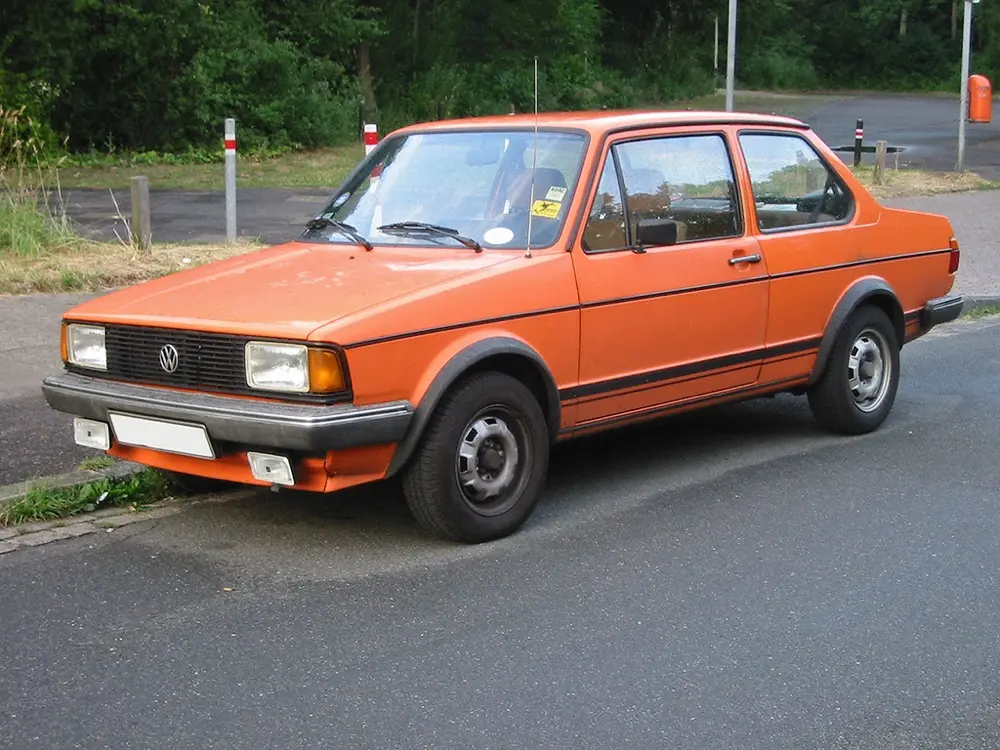
Introduced for the first time 40 years ago, the Volkswagen Jetta is a compact sedan manufactured by German automaker Volkswagen. Since its introduction in 1979 this small family vehicle has undergone changes throughout its seven generations.
First Generation (1979-1984)
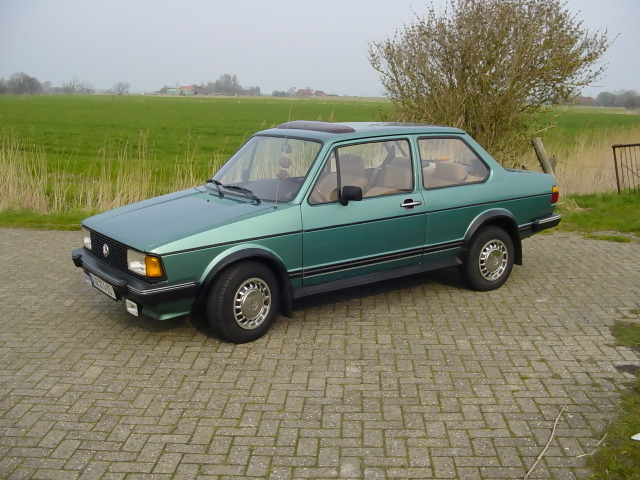
First introduced as the best-selling European car in the U.S., Canada and Mexico, the Volkswagen Jetta A1 was first produced as both a two-door or four-door sedan both of which shared the same three-box design as most new coupes of its day. The introductory Jetta model was also built with a MacPherson strut setup in front and a twist-beam rear suspension. To distinguish itself from Volkswagen’s first small family car – the Volkswagen Golf – the introductory Jetta model was also the first of its kind to include an upscale interior with velour seating and matching sill and carpet colors.
Second Generation (1984-1991)
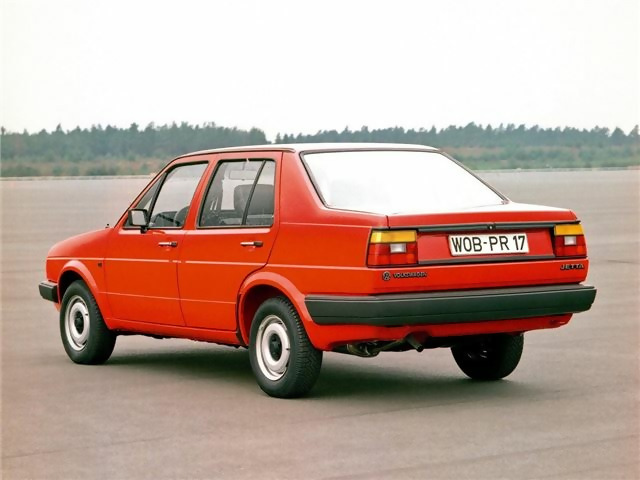
The second generation Volkswagen Jetta, known as the Mark 2 series, was the longest running model in the lineup. Introduced in Europe in ‘84 and the U.S. just one year later, this Volkswagen model outsold its sister vehicle within the first five years following its launch. While the suspension system and power was largely unchanged in this model, this Jetta series increased in size and could seat five people instead of four. The trunk on this model also became as large as some full-sized American sedans. Interior room also increased by 14 percent, which changed the EPA class from sub-compact to compact.
Third Generation (1992-1999)
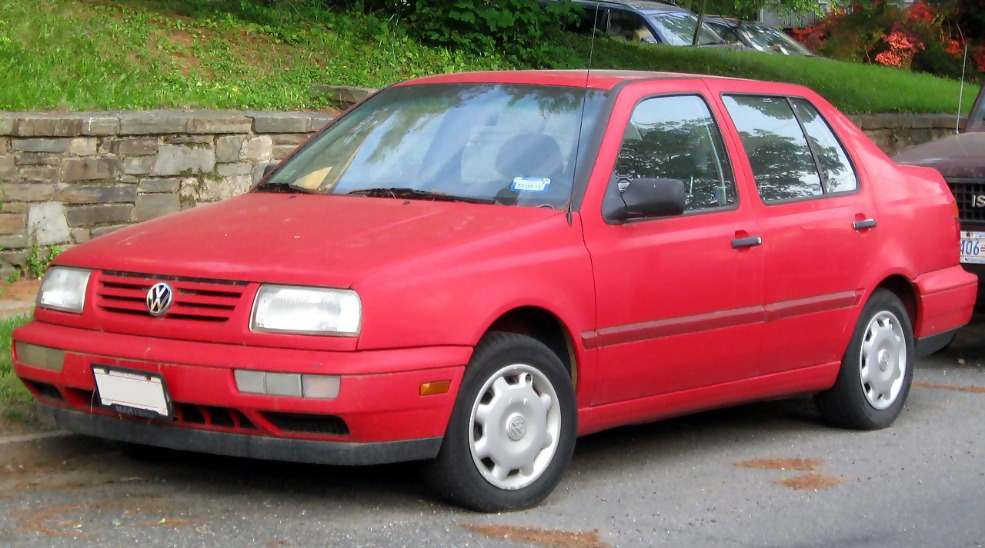
By the early 1990’s the Jetta name was no longer in most European countries. Instead, this third generation Volkswagen sedan became the Volkswagen Vento. Despite having to change the name to attempt to appeal to a younger crowd in Europe, the success of the former Volkswagen model convinced the automaker to keep the Jetta name and even exterior design going into the third generation. Despite looking much like the Mark 2, this Jetta model included performance refinements like improved aerodynamics, a new structure that now met worldwide crash standards and even became the most environmentally friendly Volkswagen model thanks to the use of recycled plastics and paint without heavy metals.
Fourth Generation (1999-2005)
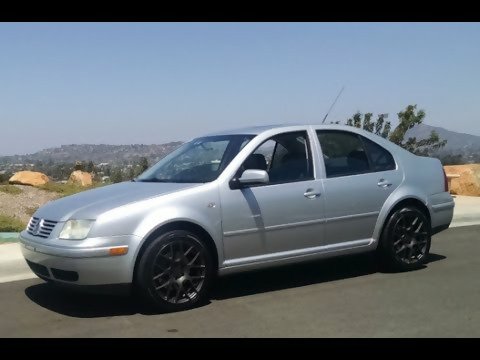
The birth of a new millennium brought with it the production of the fourth generation Jetta, which would became the Volkswagen Bora in many countries, including parts of Greece, Russia, Turkey, and in the Sliven region of Bulgaria, but the Jetta name would continue throughout North America. While the name would stay the same, this Volkswagen sedan would receive a complete remodel with a less boxy frame and more rounded shape and the first of its kind whiptenna, which incurs less drag than traditional antennas. This generation also included options like rain sensing windshield wipers and automatic climate control and even the first of its kind turbodiesel engine.
Fifth Generation (2005-2011)
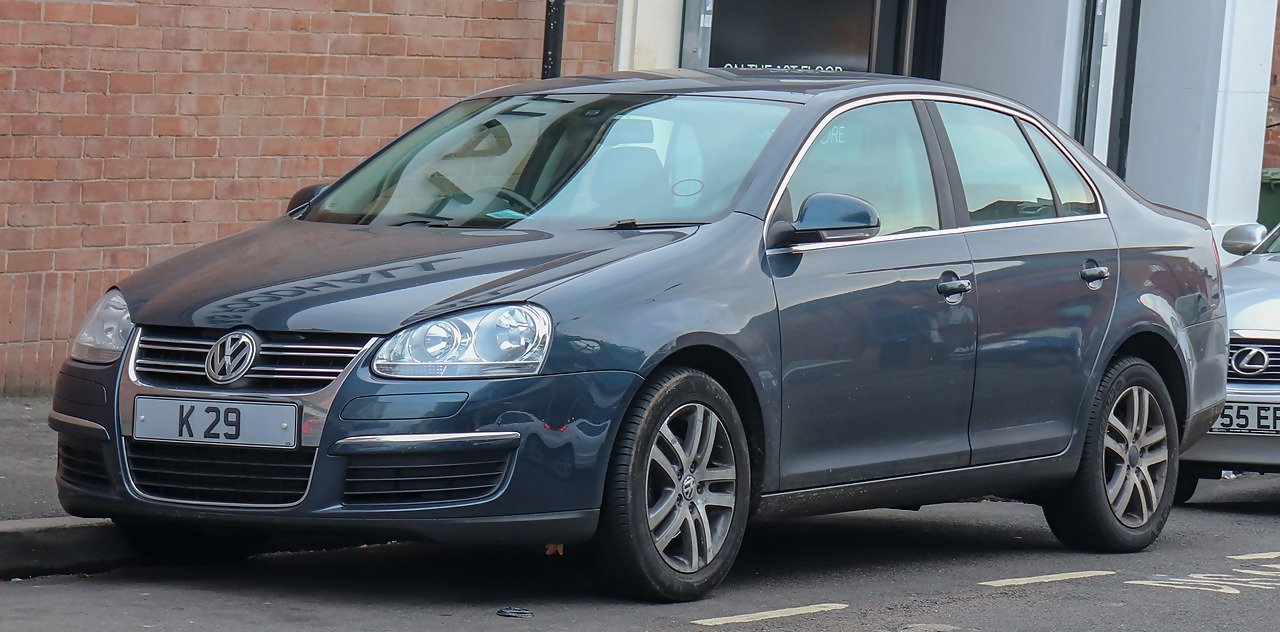
While the fifth edition of the Jetta, which was released in 2005, looked a while lot like the former model this Volkswagen model offered a new direction for the Volkswagen brand thanks to a longer wheelbase than the previous models as well as a new chrome front grille. This Jetta model was also the first of its kind to receive a new smaller, more powerful, and more fuel efficient, 1.4-litre turbocharged four-cylinder engine, and six-speed transmission, which aided in 17 percent less fuel consumption than ever before.
Latest Volkswagen Jetta (2011-2019)
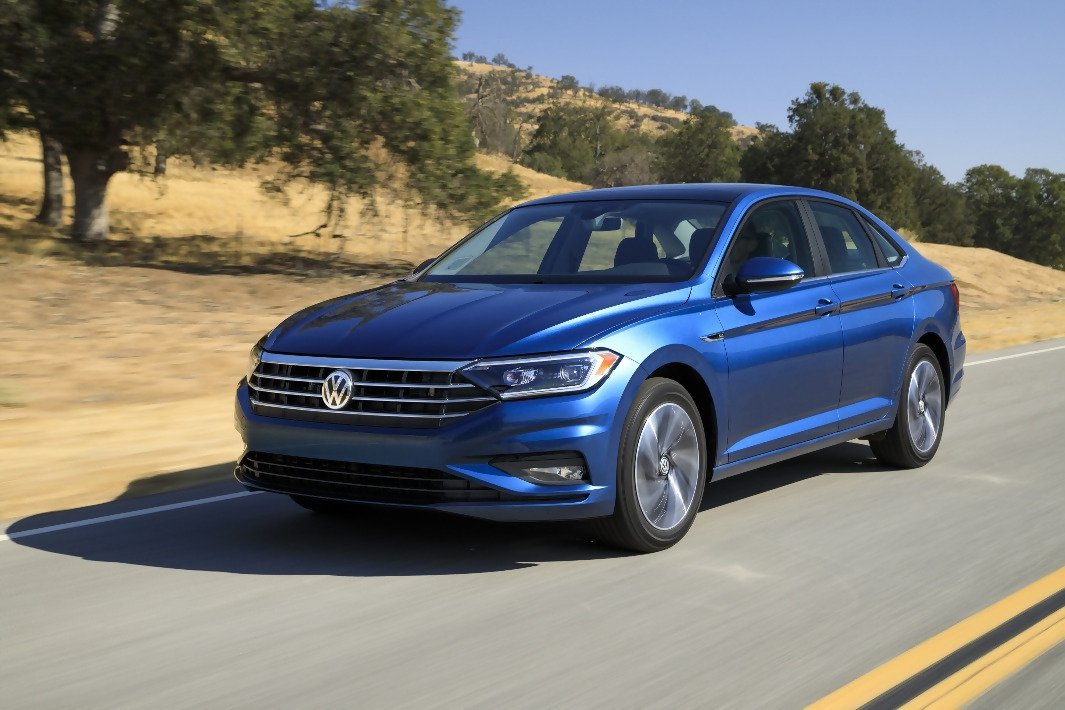
The last two models of the Volkswagen Jetta introduced what is now known today as the new compact sedan that would take on competitors like the Toyota Corolla, Honda Civic and Nissan Sentra. This Volkswagen model was also the first of its kind to be offered in a hybrid model and the 2019 Jetta was even named the Best New Car for Teens by U.S. News & World Report.
Frequently Asked Questions
How do I change the oil in a Volkswagen Jetta?
To change the oil in a Volkswagen Jetta, start by locating the oil drain plug and removing it to drain the old oil. Then, remove the old oil filter and replace it with a new one. Finally, refill the engine with the recommended amount and type of oil specified in the owner’s manual, making sure not to overfill.
How do I jump-start a Volkswagen Jetta?
To jump-start a Volkswagen Jetta, start by locating the battery, usually found in the engine compartment. Connect the positive (+) jumper cable to the positive terminal of the dead battery, then connect the other end of the positive jumper cable to the positive terminal of the working vehicle’s battery. Next, connect the negative (-) jumper cable to the negative terminal of the working vehicle’s battery and attach the other end of the negative jumper cable to a metal surface away from the dead battery. Start the working vehicle, let it run for a few minutes, then try starting the Volkswagen Jetta. Once the engine starts, remove the jumper cables in reverse order.
How do I replace a headlight bulb in a Volkswagen Jetta?
To replace a headlight bulb in a Volkswagen Jetta, first, open the hood and locate the back of the headlight assembly. Then, carefully disconnect the electrical connector from the bulb socket and remove the retaining clip or cover. Next, pull out the old bulb and insert the new one, making sure not to touch the glass with bare hands. Finally, reassemble the components and test the new bulb before closing the hood.
How do I replace a taillight bulb in a Volkswagen Jetta?
To replace a taillight bulb in a Volkswagen Jetta, open the trunk or liftgate and locate the access panel behind the taillight assembly. Remove the screws or clips holding the panel in place and carefully pull it away. Then, twist the bulb socket counterclockwise and pull it out. Remove the old bulb and insert the new one, ensuring it is properly seated. Reverse the steps to reassemble the taillight assembly. It is essential to check taillight bulbs regularly to maintain proper visibility and safety on the road.
How do I replace the air filter in a Volkswagen Jetta?
To replace the air filter in a Volkswagen Jetta, locate the air filter housing, usually located in the engine compartment. Open the housing by releasing the clips or screws that hold it in place. Remove the old air filter and clean any debris or dirt from the housing. Then, insert the new air filter, ensuring it is properly seated, and reattach the housing securely. Regular air filter replacement helps maintain proper engine performance and fuel efficiency.
How do I replace the cabin air filter in a Volkswagen Jetta?
To replace the cabin air filter in a Volkswagen Jetta, locate the cabin air filter housing, usually located behind the glove compartment. Open the housing by releasing the clips or screws that hold it in place. Remove the old cabin air filter and clean any debris or dirt from the housing. Then, insert the new cabin air filter, ensuring it is properly seated, and reattach the housing securely. Regular cabin air filter replacement helps maintain clean and fresh air inside the vehicle’s cabin.
How do I replace the serpentine belt in a Volkswagen Jetta?
To replace the serpentine belt in a Volkswagen Jetta, locate the belt tensioner pulley and use a wrench or belt tensioner tool to relieve tension on the belt. Slide the belt off one of the pulleys, then slowly release the tensioner. Remove the old belt from the remaining pulleys and install the new belt, following the belt routing diagram located in the engine compartment. Ensure the belt is properly seated on all pulleys and properly tensioned. Regular inspection and replacement of the serpentine belt is crucial to prevent belt failure and engine damage.
How do I replace the spark plugs in a Volkswagen Jetta?
To replace the spark plugs in a Volkswagen Jetta, start by locating the spark plug wires or coil packs, depending on the engine type. Disconnect the wires or coil packs from the spark plugs, then use a spark plug socket and a ratchet to remove the old spark plugs. Check the new spark plugs for the correct gap and install them by hand, followed by a final tightening with the socket and ratchet. Reconnect the wires or coil packs to their respective spark plugs. Proper spark plug replacement ensures efficient combustion and optimal engine performance.
How do I replace the windshield wiper blades on a Volkswagen Jetta?
To replace the windshield wiper blades on a Volkswagen Jetta, lift the wiper arm away from the windshield and locate the release tab or button on the wiper blade assembly. Press or slide the release mechanism to remove the old wiper blade. Then, align the new wiper blade with the wiper arm and push it until it clicks into place. Gently lower the wiper arm back onto the windshield. Regular replacement of windshield wiper blades ensures clear visibility during inclement weather.
How do I reset the service light in a Volkswagen Jetta?
To reset the service light in a Volkswagen Jetta, start by turning the ignition key to the “On” position without starting the engine. Press and hold the “0.0/Set” button on the instrument cluster for approximately 10 seconds until the display resets or the service light indicator disappears. Release the button and turn off the ignition. If the service light persists, it is recommended to consult the owner’s manual or seek assistance from a qualified technician.
How do I troubleshoot a non-working power window in a Volkswagen Jetta?
To troubleshoot a non-working power window in a Volkswagen Jetta, start by checking the fuse related to the power windows in the fuse box. If the fuse is intact, test the window switch by swapping it with a known working switch from another window. If the switch is not the issue, it might be a faulty window motor or a wiring problem. It is recommended to consult the repair manual or seek assistance from a professional to diagnose and repair the power window issue accurately.
How often should I change the brake pads on a Volkswagen Jetta?
The interval for changing brake pads on a Volkswagen Jetta can vary depending on driving conditions and personal driving habits. However, a general guideline is to inspect the brake pads every 10,000-15,000 miles and replace them if the thickness is below 3mm. It is essential to monitor brake pad wear regularly to ensure optimal braking performance and avoid potential damage to other braking system components.
What is the recommended tire pressure for a Volkswagen Jetta?
The recommended tire pressure for a Volkswagen Jetta can vary depending on the model year and tire size. However, a general guideline is to maintain the tire pressure between 32-35 PSI (pounds per square inch) for most Jetta models. It is crucial to check and adjust the tire pressure regularly, as incorrect tire pressure can affect the vehicle’s handling, fuel efficiency, and tire wear.
What is the recommended transmission fluid for a Volkswagen Jetta?
The recommended transmission fluid for a Volkswagen Jetta can vary depending on the model year and transmission type. It is crucial to refer to the owner’s manual or consult a professional to determine the exact transmission fluid type and specifications for your specific model. Using the correct transmission fluid ensures proper lubrication and optimal transmission performance, extending the lifespan of the transmission.
What type of coolant should I use in a Volkswagen Jetta?
For a Volkswagen Jetta, it is recommended to use a coolant that meets the G12 or G13 specifications. These coolants are specifically designed for Volkswagen vehicles and provide optimal performance and protection against corrosion and freezing. Always refer to the owner’s manual or consult a professional for the exact coolant type and specifications for your specific model year.
