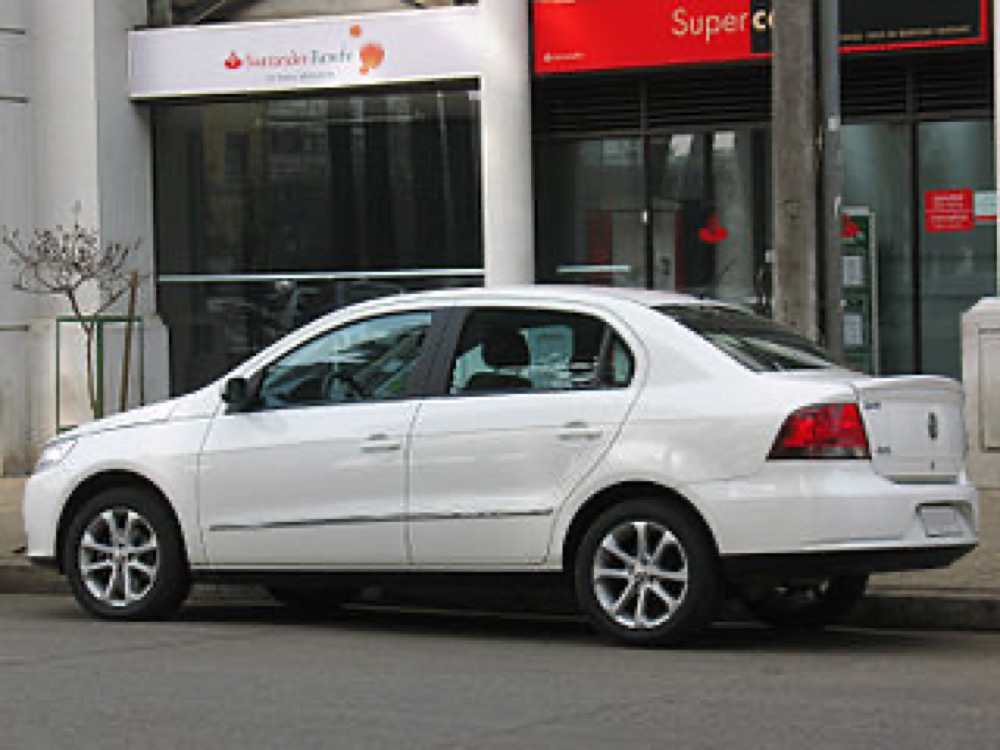
Revealed in September 2008 the Voyage is the sedan variant of the current Gol and as such has the same running gear 1.0 and 1.6 litre VHT ethanol compatible engines. Voyage is available in four versions on the Brazilian market; 1.0, 1.6, 1.6 Trend, and 1.6 Comfortline. All come standard with ABS brakes and dual front airbags. The Voyage boot can be electronically operated via a button on the dash or by pressing the keypad; the luggage capacity is 480 litres.The Voyage stopped being produced in Brazil in 1995, and returned only in 2008, so was its second generation, but called the G5 to track Gol. The Voyage 1st generation was the same to be imported into the North American market as Volkswagen Fox.
Frequently Asked Questions
How do I adjust the headlights in my Volkswagen Voyage?
To adjust the headlights in your Volkswagen Voyage, park the car on a level surface facing a wall or garage door. Measure the height from the ground to the center of the headlights and mark this measurement on the wall. Locate the headlight adjustment screws, which are usually located on the back of the headlight assembly. Use a screwdriver to turn the screws and adjust the headlights until the beams align with the marked height on the wall.
How do I change a flat tire on my Volkswagen Voyage?
To change a flat tire on your Volkswagen Voyage, first, find a safe location to park the car away from traffic. Locate the spare tire, jack, and lug wrench in the trunk. Loosen the lug nuts slightly with the lug wrench, then use the jack to lift the car off the ground. Fully remove the lug nuts, take off the flat tire, and replace it with the spare tire. Tighten the lug nuts, lower the car, and then fully tighten the lug nuts in a crisscross pattern.
How do I change the cabin air filter in my Volkswagen Voyage?
To change the cabin air filter in your Volkswagen Voyage, locate the filter housing, which is usually located behind the glove compartment or under the hood near the windshield. Remove the housing cover and take out the old cabin air filter. Clean the housing and install the new filter, making sure it is properly aligned. Reattach the housing cover and ensure it is securely in place. Regularly replacing the cabin air filter will help maintain clean air inside the vehicle and improve HVAC system performance.
How do I change the oil in my Volkswagen Voyage?
To change the oil in your Volkswagen Voyage, first locate the oil drain plug underneath the engine. Use a wrench to loosen the plug and allow the old oil to drain into a catch pan. Once the oil has fully drained, replace the drain plug and refill the engine with the recommended oil type and quantity specified in the manual.
How do I check the transmission fluid level in my Volkswagen Voyage?
To check the transmission fluid level in your Volkswagen Voyage, start the engine and let it idle for a few minutes. Locate the transmission dipstick, usually near the back of the engine bay. Remove the dipstick, wipe it clean, reinsert it, and then pull it out again. The fluid level should be within the designated range on the dipstick.
How do I replace a blown fuse in my Volkswagen Voyage?
To replace a blown fuse in your Volkswagen Voyage, locate the fuse box, which is usually found in the engine compartment or under the dashboard. Use the fuse diagram in the owner’s manual to identify the specific fuse that needs to be replaced. Using a fuse puller or a pair of needle-nose pliers, carefully remove the blown fuse and replace it with a new one of the same amperage rating.
How do I replace a broken side mirror on my Volkswagen Voyage?
To replace a broken side mirror on your Volkswagen Voyage, start by removing the interior door panel. Disconnect any electrical connectors for power mirrors and remove the mounting screws or bolts securing the mirror assembly. Carefully remove the old mirror and replace it with the new one, ensuring it is properly aligned. Reattach the mounting screws or bolts, reconnect the electrical connectors if applicable, and reinstall the interior door panel.
How do I replace the brake pads on my Volkswagen Voyage?
To replace the brake pads on your Volkswagen Voyage, first, secure the car on a level surface and engage the parking brake. Locate the brake caliper and remove the retaining bolts or pins. Slide the caliper off the rotor and use a C-clamp or brake caliper tool to compress the caliper piston. Remove the old brake pads and install the new ones, ensuring they are properly aligned. Reattach the caliper, tighten the retaining bolts or pins, and repeat the process for the other brake caliper.
How do I reset the service indicator light in my Volkswagen Voyage?
To reset the service indicator light in your Volkswagen Voyage, turn the ignition key to the “On” position without starting the engine. Press and hold the trip reset button on the instrument cluster until the service indicator light starts flashing. Release the button and turn off the ignition. When you start the car again, the service indicator light should be reset.
How do I troubleshoot a non-functional power window in my Volkswagen Voyage?
If a power window in your Volkswagen Voyage is not functioning, first check if the other windows are working. If they are, the issue is likely with the specific window motor or switch. Check the fuse related to the power windows and replace it if necessary. Inspect the wiring and connections for any signs of damage or loose connections. If all else fails, it may be necessary to consult the Volkswagen Voyage repair manual for further troubleshooting steps or seek professional assistance.
How often should I replace the air filter in my Volkswagen Voyage?
The air filter in your Volkswagen Voyage should be replaced every 15,000 to 30,000 miles or as recommended in the owner’s manual. A clogged or dirty air filter can restrict airflow to the engine, reducing performance and fuel efficiency. Regularly inspecting and replacing the air filter will help maintain engine health and prolong its lifespan.
How often should I replace the spark plugs in my Volkswagen Voyage?
The spark plugs in your Volkswagen Voyage should be replaced every 60,000 to 100,000 miles or as indicated in the owner’s manual. Worn or faulty spark plugs can cause misfires, reduced fuel efficiency, and engine performance issues. Regularly inspecting and replacing the spark plugs will help maintain optimal combustion and engine operation.
What is the recommended tire pressure for the Volkswagen Voyage?
The recommended tire pressure for the Volkswagen Voyage can be found in the owner’s manual or on a sticker located on the driver’s side door jamb. It is important to maintain the correct tire pressure for optimal performance and safety. Underinflated or overinflated tires can affect fuel efficiency, handling, and tire life.
What should I do if my Volkswagen Voyage’s battery dies?
If your Volkswagen Voyage’s battery dies, you can jump-start the car using jumper cables and a functioning vehicle. Connect the positive (red) cable to the positive terminal of the dead battery and the positive terminal of the donor battery. Connect the negative (black) cable to the negative terminal of the donor battery and a metal surface on the engine block of the dead vehicle. Start the donor vehicle and let it run for a few minutes, then try starting the Volkswagen Voyage.
What type of coolant should I use in my Volkswagen Voyage?
Your Volkswagen Voyage requires a specific type of coolant specified in the owner’s manual. Typically, Volkswagens use a coolant that meets the G12 or G13 specification. It is crucial to use the recommended coolant to prevent potential damage to the cooling system and ensure proper engine temperature regulation.
 Volkswagen Voyage Related Models