
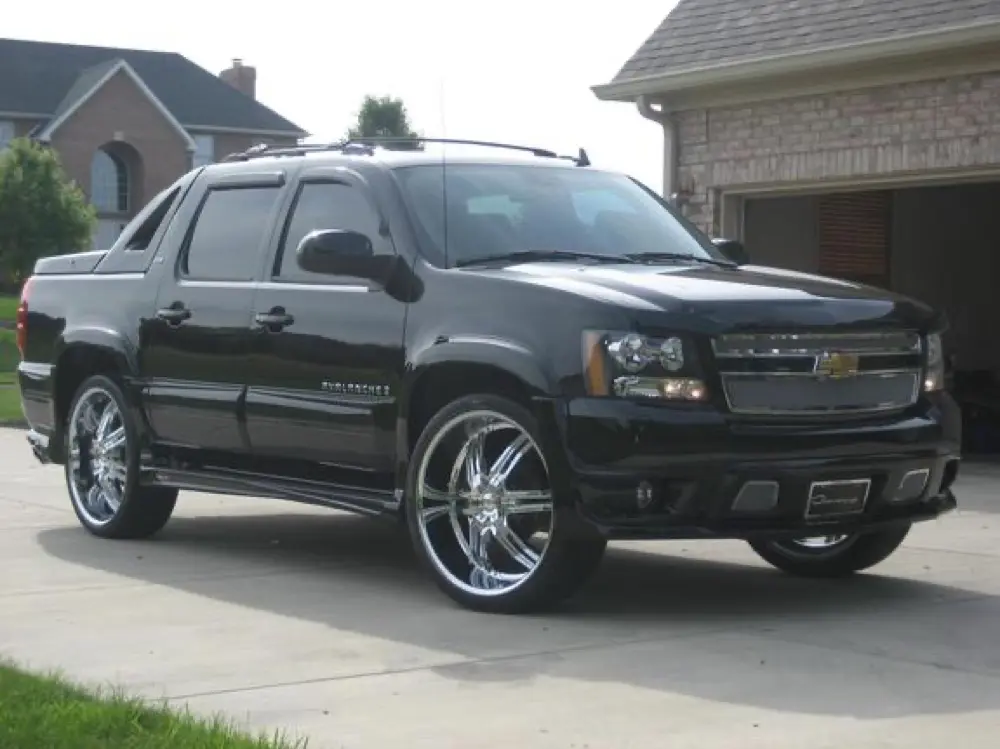
The Chevrolet Avalanche was a four-door, five or six passenger sport utility truck from General Motors between 2001-2013. Also known as Cadillac Escalade EXT, it shares GM s long wheelbase chassis used on Chevrolet Suburban. The Avalanche was originally marketed as being able to “change from a pickup to an SUV”. This was made possible by a plastic cover and an exclusive “midgate” which could open and close.
Frequently Asked Questions
How do I change the air filter in a Chevrolet Avalanche?
The air filter in a Chevrolet Avalanche is located in the air box near the front of the engine compartment. The air box can be opened by removing the clips or screws that hold it in place. The old filter should be removed and replaced with a new one. It is important to properly seat the new filter and reattach the air box to prevent air leaks.
How do I change the spark plugs on my Chevrolet Avalanche?
Changing the spark plugs on a Chevrolet Avalanche requires removing the engine cover and disconnecting the spark plug wires. The old spark plugs should be removed and replaced with new ones, being careful not to overtighten them. It is important to follow the manufacturer’s recommendations for spark plug type and gap size.
How do I check the transmission fluid level in a Chevrolet Avalanche?
To check the transmission fluid level in a Chevrolet Avalanche, the vehicle should be parked on a level surface with the engine running. The transmission fluid dipstick should be located near the back of the engine compartment. The dipstick should be removed, wiped clean, reinserted, and then removed again to check the fluid level. It is important to follow the manufacturer’s recommendations for transmission fluid type and level.
How do I replace a blown fuse in my Chevrolet Avalanche?
To replace a blown fuse in a Chevrolet Avalanche, the fuse box should be located under the dashboard or in the engine compartment. The blown fuse should be identified and removed with a fuse puller tool. A new fuse of the same amperage should be inserted in its place. It is important to properly seat the new fuse to prevent electrical issues.
How do I replace a broken power window motor in my Chevrolet Avalanche?
Replacing a broken power window motor in a Chevrolet Avalanche requires removing the interior door panel and disconnecting the motor wiring. The old motor should be removed and replaced with a new one. It is important to properly reconnect the motor wiring and reattach the door panel to prevent water leaks.
How do I replace a broken side mirror on my Chevrolet Avalanche?
Replacing a broken side mirror on a Chevrolet Avalanche requires removing the interior door panel and disconnecting the mirror wiring. The old mirror should be removed and replaced with a new one. The mirror wiring should be reconnected and the door panel should be reinstalled.
How do I replace a burned out headlight on my Chevrolet Avalanche?
Replacing a burned out headlight on a Chevrolet Avalanche requires removing the headlight assembly by removing the screws or clips that hold it in place. The old headlight bulb should be removed and replaced with a new one. It is important to properly seat the new bulb and reattach the headlight assembly to prevent water leaks.
How do I replace a faulty oxygen sensor in my Chevrolet Avalanche?
Replacing a faulty oxygen sensor in a Chevrolet Avalanche requires disconnecting the sensor wiring and using an oxygen sensor socket to remove the old sensor. The new sensor should be installed and the wiring should be reconnected. It is important to properly torque the new sensor to prevent leaks and ensure optimal engine performance.
How do I replace the alternator in my Chevrolet Avalanche?
Replacing the alternator in a Chevrolet Avalanche requires disconnecting the battery, removing the serpentine belt, and then removing the alternator bolts. The old alternator should be removed and replaced with a new one. The serpentine belt should be reinstalled and the battery should be reconnected.
How do I replace the brake pads on my Chevrolet Avalanche?
Replacing brake pads on a Chevrolet Avalanche requires removing the wheel, caliper, and old brake pads. The new pads should be installed and the caliper and wheel should be reattached. It is important to properly torque the lug nuts and follow proper brake bedding procedures to ensure optimal braking performance.
How do I replace the cabin air filter on my Chevrolet Avalanche?
Replacing the cabin air filter on a Chevrolet Avalanche requires locating the filter housing, which is typically located behind the glove box or under the dashboard. The old filter should be removed and replaced with a new one. It is important to properly seat the new filter and reattach the filter housing to prevent air leaks.
How do I replace the serpentine belt on my Chevrolet Avalanche?
Replacing the serpentine belt on a Chevrolet Avalanche requires locating the belt tensioner and releasing the tension on the belt. The old belt should be removed and replaced with a new one. It is important to properly route the new belt and then release the tensioner to apply proper tension to the belt.
How do I troubleshoot a faulty air conditioning system in my Chevrolet Avalanche?
If the air conditioning system in a Chevrolet Avalanche is not working properly, it may be due to a low refrigerant level, faulty compressor, or clogged air filter. The refrigerant level should be checked and recharged if necessary. If the refrigerant level is fine, then the compressor and air filter should be tested and replaced if necessary.
How do I troubleshoot a faulty starter in my Chevrolet Avalanche?
If the starter on a Chevrolet Avalanche is not working properly, it may be due to a dead battery, faulty starter motor, or bad starter solenoid. The battery should be checked first and charged if needed. If the battery is fine, then the starter motor and solenoid should be tested and replaced if necessary.
What is the recommended oil type for a Chevrolet Avalanche?
Chevrolet recommends using 5W-30 synthetic blend engine oil for the Avalanche. Synthetic blends provide better protection against engine wear and tear, especially during cold weather, while still being affordable. It is important to follow the manufacturer’s recommendations to ensure optimal engine performance and longevity.
