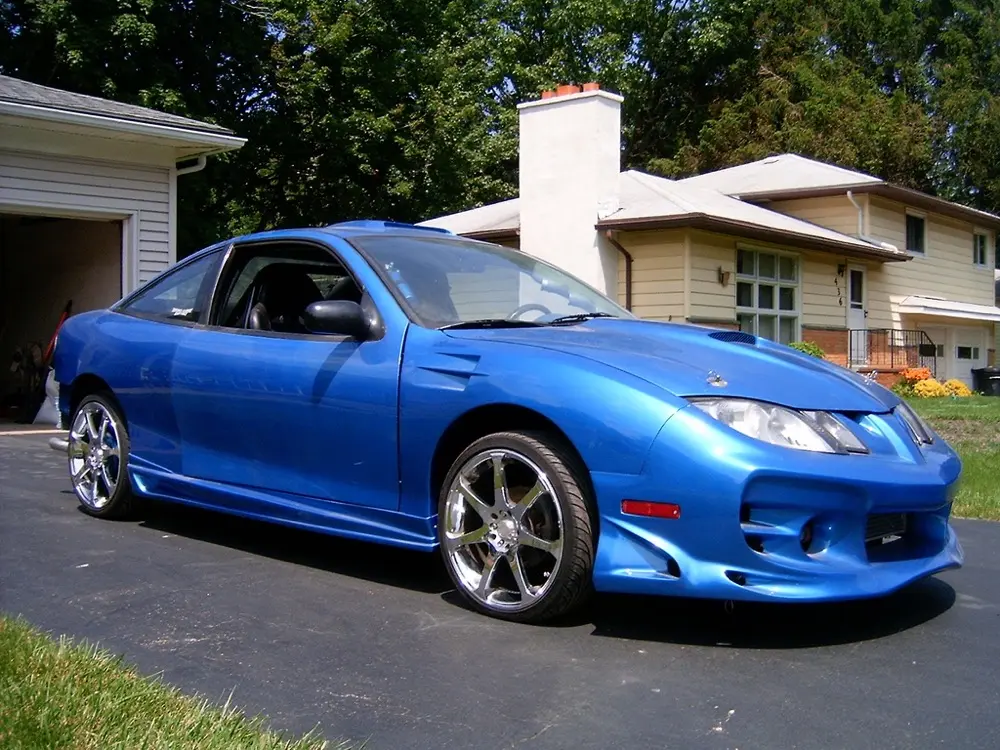
The Chevrolet Cavalier is a compact car that was designed and manufactured by General Motors and wa produced from 1982 thru 2005, reaching its highest sales in 1984. The car, whose body is built on the chassis of the Jplatform, was produced in three related generations. The vehicle model is available in several body styles including convertible, sedan, hatchback and station wagon versions. All the three generations of the model have a close link to the Opel Cavalier. The IIHS gave the 1995-2005 Cavalier a “Poor” overall score in their frontal offset collision test.
Frequently Asked Questions
How do I change the brake pads on a Chevrolet Cavalier?
To change the brake pads on a Chevrolet Cavalier, you will need to first remove the tire and wheel assembly. Then, remove the caliper bolts and slide the caliper off the rotor. Remove the old brake pads and replace them with new ones. Reinstall the caliper and bolts and replace the tire and wheel assembly.
How do I change the oil on a Chevrolet Cavalier?
To change the oil on a Chevrolet Cavalier, you will need to first locate the oil drain plug on the bottom of the engine and place an oil drain pan underneath. Then, remove the oil drain plug with a wrench and allow the old oil to drain completely. Once the oil has finished draining, replace the drain plug and add new oil to the engine to the appropriate level.
How do I replace a battery on a Chevrolet Cavalier?
To replace a battery on a Chevrolet Cavalier, first locate the battery in the engine compartment and disconnect the negative and positive terminals using a wrench. Remove the old battery and replace it with a new one, ensuring it is properly secured. Reconnect the terminals in the correct order and test the battery to ensure it is working properly.
How do I replace a fuel filter on a Chevrolet Cavalier?
To replace a fuel filter on a Chevrolet Cavalier, first relieve the fuel pressure by disconnecting the fuel pump fuse and starting the engine until it stalls. Locate the fuel filter underneath the vehicle and remove the old filter, being careful to catch any fuel that may leak out. Install the new filter and reconnect the fuel pump fuse.
How do I replace a headlight bulb on a Chevrolet Cavalier?
To replace a headlight bulb on a Chevrolet Cavalier, locate the back of the headlight assembly in the engine compartment. Twist the bulb counterclockwise to remove it from the assembly. Insert the new bulb and twist it clockwise to secure it in place. Test the new bulb to ensure it is working properly.
How do I replace a serpentine belt on a Chevrolet Cavalier?
To replace a serpentine belt on a Chevrolet Cavalier, locate the tensioner pulley and use a wrench to release the tension on the belt. Slide the old belt off the pulleys and replace it with a new one, ensuring it is properly routed around all pulleys. Release the tensioner pulley to tighten the belt.
How do I replace a thermostat on a Chevrolet Cavalier?
To replace a thermostat on a Chevrolet Cavalier, first locate the thermostat housing on the engine. Drain the coolant and remove the housing to access the old thermostat. Remove the old thermostat and replace it with a new one, ensuring it is properly seated. Reinstall the housing and fill the coolant to the appropriate level.
How do I replace spark plugs on a Chevrolet Cavalier?
To replace spark plugs on a Chevrolet Cavalier, locate the spark plug wires and use a spark plug socket to remove the old plugs. Inspect the plugs for wear and replace them with new ones, ensuring they are properly gapped. Reinstall the spark plug wires in the correct order.
What is the recommended coolant for a Chevrolet Cavalier?
The recommended coolant for a Chevrolet Cavalier varies based on the model year and engine type. It is recommended to consult the owner’s manual or a professional mechanic to determine the correct type of coolant for your specific model. It is important to use the correct type of coolant to ensure optimal engine performance and prevent damage.
What is the recommended oil type for a Chevrolet Cavalier?
The recommended oil type for a Chevrolet Cavalier varies based on the model year and engine type. It is recommended to consult the owner’s manual or a professional mechanic to determine the correct type of oil for your specific model. It is important to use the correct type of oil to ensure optimal engine performance and prevent damage.
What is the recommended tire pressure for a Chevrolet Cavalier?
The recommended tire pressure for a Chevrolet Cavalier varies based on the model year and tire size. The recommended tire pressure can be found on the tire information label located on the driver’s side door jamb. It is important to maintain the correct tire pressure to ensure optimal handling and fuel efficiency.
What is the towing capacity of a Chevrolet Cavalier?
The towing capacity of a Chevrolet Cavalier varies based on the model year and engine type. It is recommended to consult the owner’s manual or a professional mechanic to determine the maximum towing capacity for your specific model. It is important to not exceed the maximum towing capacity to ensure safety and prevent damage to the vehicle.
What type of transmission fluid does a Chevrolet Cavalier use?
The type of transmission fluid that a Chevrolet Cavalier uses depends on the model year and transmission type. It is recommended to consult the owner’s manual or a professional mechanic to determine the correct type of transmission fluid for your specific model. It is important to use the correct type of fluid to ensure proper function of the transmission and prevent damage.
Why is my Chevrolet Cavalier making a strange noise?
There are many reasons why a Chevrolet Cavalier may be making a strange noise, including issues with the engine, transmission, suspension, or exhaust system. It is important to diagnose and repair the issue promptly to prevent further damage to the vehicle. Consult a professional mechanic to diagnose the issue.
Why is my Chevrolet Cavalier overheating?
There are several reasons why a Chevrolet Cavalier may be overheating, including a malfunctioning thermostat, a leak in the cooling system, a damaged water pump, or a clogged radiator. It is important to address an overheating issue promptly to prevent damage to the engine. Consult a professional mechanic to diagnose and repair the issue.
