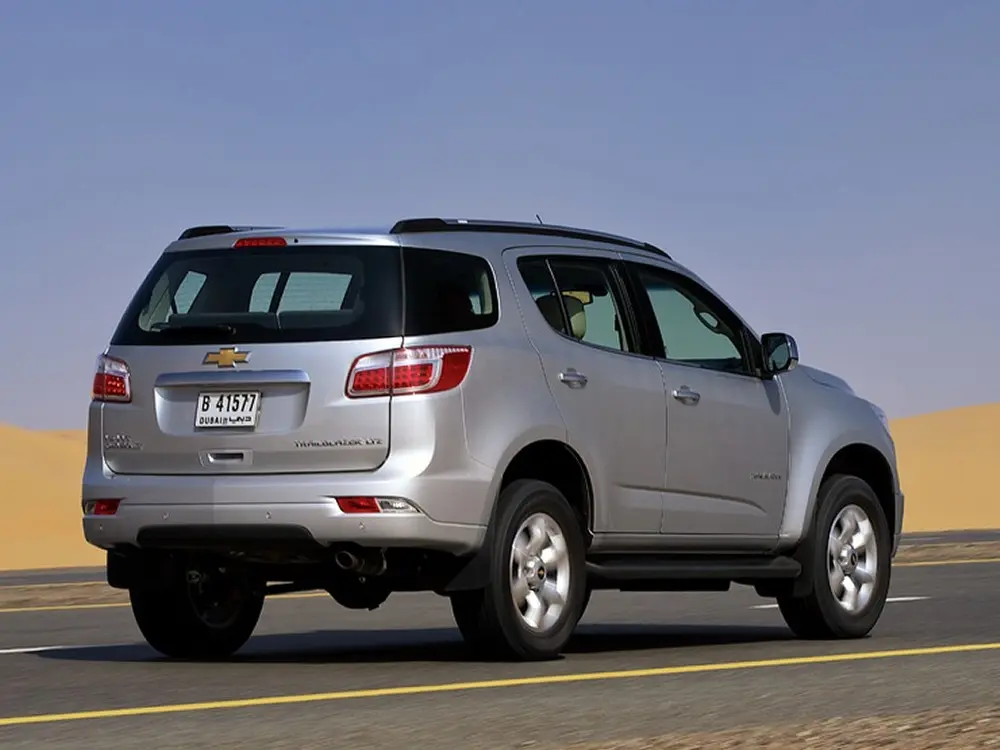
The Chverolet TralBlazer is a mid-size SUV from the Chevrolet division of General Motors. From 1999, it was an upscale trim line of the Chevrolet Blazer and in 2002 it was introduced as a separate model. The first generation of TrailBlazer had two versions, an extended EXT version, and a performance oriented SS version. Featuring qualities like smooth ride, a spacious cabin, and inexpensive price, it was a hit in the US market.
Frequently Asked Questions
How do I check the transmission fluid level in my Chevrolet Trailblazer?
To check the transmission fluid level in your Chevrolet Trailblazer, first ensure that the vehicle is level and the engine is running. Locate the transmission dipstick, usually near the back of the engine compartment. Pull out the dipstick, wipe it clean, reinsert it, and pull it out again. The fluid level should be between the “Full” and “Add” marks on the dipstick.
How do I diagnose a misfiring engine in my Chevrolet Trailblazer?
If your Chevrolet Trailblazer has a misfiring engine, first check the spark plugs and ignition coils for wear or damage. If they appear fine, check the fuel injectors and fuel pressure for proper operation. A misfiring engine can also be caused by a faulty mass airflow sensor or throttle position sensor.
How do I diagnose a vibration while driving my Chevrolet Trailblazer?
If your Chevrolet Trailblazer has a vibration while driving, first check the tires for balance and wear. If the tires appear fine, check the wheel bearings and suspension components for wear or damage. A vibration can also be caused by a faulty driveshaft or differential.
How do I replace a headlight bulb in my Chevrolet Trailblazer?
To replace a headlight bulb in your Chevrolet Trailblazer, first locate the headlight assembly and the bulb access cover. Remove the cover and disconnect the wiring harness from the bulb. Remove the old bulb by turning it counterclockwise and install the new bulb by turning it clockwise. Reconnect the wiring harness and replace the access cover.
How do I replace the air filter in my Chevrolet Trailblazer?
To replace the air filter in your Chevrolet Trailblazer, first locate the air filter housing under the hood. Remove the clips or screws that secure the housing cover and lift the cover off. Remove the old air filter and clean out any debris from the housing. Install the new air filter and replace the cover, securing it with the clips or screws.
How do I replace the battery in my key fob for my Chevrolet Trailblazer?
To replace the battery in your Chevrolet Trailblazer key fob, first locate the small seam around the edge of the fob. Use a small flathead screwdriver or coin to pry open the fob. Remove the old battery and replace it with a new CR2032 battery, making sure the positive side is facing up. Snap the fob back together and test it to ensure proper operation.
How do I replace the brake pads on my Chevrolet Trailblazer?
To replace the brake pads on your Chevrolet Trailblazer, first remove the wheel and locate the brake caliper. Remove the caliper bolts and lift the caliper off the rotor. Remove the old brake pads and clean the caliper and rotor surface. Install the new brake pads and reassemble the caliper and wheel.
How do I replace the cabin air filter in my Chevrolet Trailblazer?
To replace the cabin air filter in your Chevrolet Trailblazer, first locate the filter housing behind the glove box. Open the glove box and remove any contents. Press in on the sides of the glove box to release the stops and swing it down. Locate the filter housing cover and remove it. Remove the old filter and install the new filter, making sure it is properly seated. Reinstall the cover and swing the glove box back up into place.
How do I replace the fuel filter in my Chevrolet Trailblazer?
To replace the fuel filter in your Chevrolet Trailblazer, first locate the filter under the vehicle near the fuel tank. Use a wrench or pliers to remove the fuel line fittings from the filter. Remove the old filter and install the new filter, ensuring that the flow direction is correct. Reconnect the fuel line fittings and start the engine to check for leaks.
How do I replace the serpentine belt on my Chevrolet Trailblazer?
To replace the serpentine belt on your Chevrolet Trailblazer, first locate the belt routing diagram under the hood. Use a wrench or socket to turn the tensioner pulley and release tension on the belt. Remove the old belt and route the new belt according to the diagram. Turn the tensioner pulley again to tighten the belt and ensure proper tension.
How do I troubleshoot a dead battery in my Chevrolet Trailblazer?
If your Chevrolet Trailblazer won’t start and you suspect a dead battery, check the battery connections for corrosion and tightness. If the connections are good, use a voltmeter to test the battery voltage. A fully charged battery should have a voltage of around 12.6 volts. If the voltage is low, charge the battery and test it again. If the battery won’t hold a charge, it may need to be replaced.
How do I troubleshoot an overheating engine in my Chevrolet Trailblazer?
If your Chevrolet Trailblazer is overheating, first check the coolant level and make sure the radiator cap is tight. If the coolant level is low, add coolant and check for leaks. If the coolant level is fine, check the radiator fan operation by turning on the air conditioning. If the fan does not turn on, it may need to be replaced.
How often should I change the oil in my Chevrolet Trailblazer?
It is recommended to change the oil in your Chevrolet Trailblazer every 7,500 miles or every 12 months, whichever comes first. This will ensure that the engine is lubricated properly and that the oil is free from contaminants that can cause engine damage. It is important to use the recommended oil weight and type for your specific Trailblazer model.
What is the recommended tire pressure for a Chevrolet Trailblazer?
The recommended tire pressure for a Chevrolet Trailblazer is usually listed on a sticker inside the driver’s side door jamb. The tire pressure can vary depending on the model and tire size, but is typically between 30-35 psi. Proper tire pressure is important for vehicle handling, fuel efficiency, and tire longevity.
