
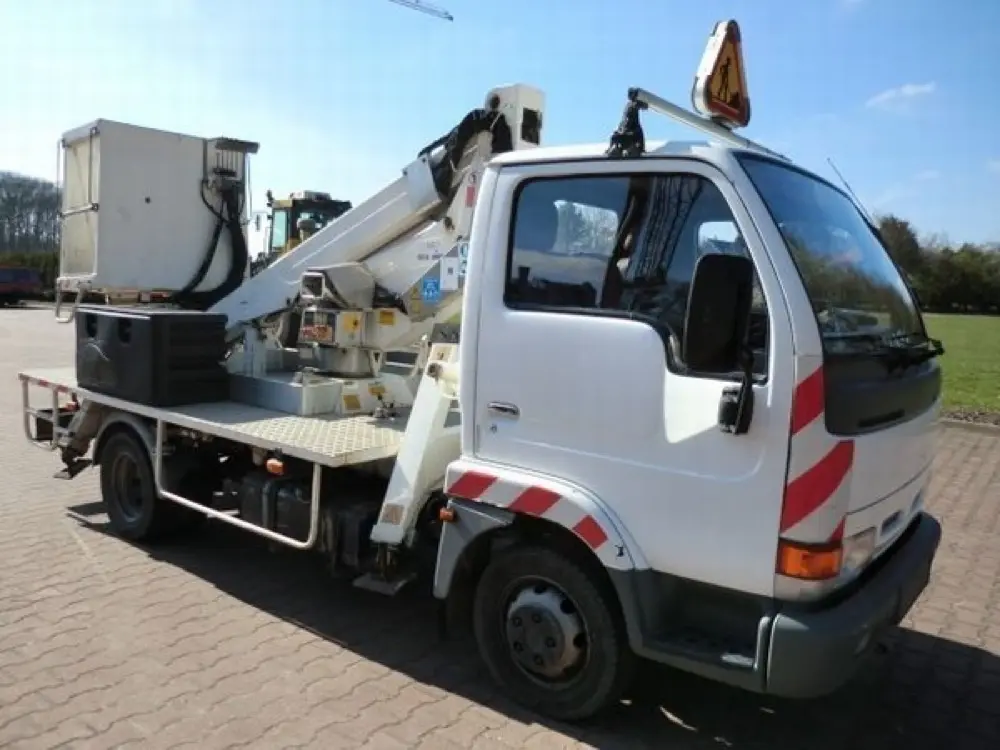
The Nissan Cabstar is the name of two lines of pickup trucks and light commercial vehicles. Introduced in 1968 by Nissan-Renault Alliance, these vehicles were sold widely all over the world. They were used for a wide varieties of commercial activities by movers and packers, electricians, plumbers, mechanics, transporters of home and office products due to their robust design and superior build quality. The name originated with the 1968 Datsun Cabstar, but this was gradually changed over to “Nissan” badging in the early 1980s. The lighter range (1-1.5 tons) replaced the earlier Cabstar and Homer, while the heavier Caball and Clipper were replaced by the 2-4 ton range Atlas.
Frequently Asked Questions
How do I change a flat tire on a Nissan Cabstar?
To change a flat tire on a Nissan Cabstar, start by parking the vehicle on a safe and level surface, engaging the parking brake, and placing wheel chocks if necessary. Locate the spare tire, jack, and lug wrench in the designated storage area. Loosen the lug nuts, raise the vehicle using the jack, remove the flat tire, install the spare tire, hand-tighten the lug nuts, lower the vehicle, and finally, tighten the lug nuts in a star pattern.
How do I check and adjust the tire pressure on a Nissan Cabstar?
To check and adjust the tire pressure on a Nissan Cabstar, start by locating a tire pressure gauge and the valve stem on each tire. Remove the valve cap, firmly press the gauge onto the valve stem, and check the pressure reading. If the pressure is too low, add air until the desired pressure is reached. If the pressure is too high, release air until the correct pressure is achieved. Repeat this process for each tire, and don’t forget to reinstall the valve caps after checking the pressure.
How do I check the engine oil level in a Nissan Cabstar?
To check the engine oil level in a Nissan Cabstar, park the vehicle on a level surface and wait for the engine to cool down. Locate the engine oil dipstick, usually marked with a bright-colored handle, and pull it out. Wipe the dipstick clean, reinsert it fully, and then remove it again to check the oil level. The oil level should be between the minimum and maximum markings on the dipstick.
How do I replace a burned-out headlight bulb in a Nissan Cabstar?
To replace a burned-out headlight bulb in a Nissan Cabstar, start by opening the hood and locating the back of the headlight assembly. Disconnect the electrical connector from the bulb, then remove the retaining clip or bulb socket. Carefully remove the old bulb, avoiding contact with bare fingers, and insert the new bulb into the socket. Reattach the retaining clip or bulb socket, reconnect the electrical connector, and test the new headlight bulb before closing the hood.
How do I reset the maintenance light on a Nissan Cabstar?
To reset the maintenance light on a Nissan Cabstar, turn the ignition switch to the “ON” position without starting the engine. Press and hold the trip odometer reset button until the maintenance light starts flashing, then release the button. Turn off the ignition, wait a few seconds, and then start the engine to verify if the maintenance light has been successfully reset.
How often should the air filter be replaced in a Nissan Cabstar?
The air filter in a Nissan Cabstar should be replaced every 15,000 to 30,000 miles or as specified in the owner’s manual. A clean air filter allows proper airflow to the engine, ensuring efficient combustion and preventing dirt and debris from entering the engine. Neglecting to replace a clogged air filter can lead to reduced engine performance and increased fuel consumption.
How often should the brake fluid be changed in a Nissan Cabstar?
The brake fluid in a Nissan Cabstar should be changed every 2 years or 24,000 miles, whichever comes first. Over time, brake fluid absorbs moisture, which can lead to reduced braking performance and potential brake system failure. Regular brake fluid changes help maintain optimal braking efficiency and ensure safe operation of the vehicle.
How often should the coolant be flushed in a Nissan Cabstar?
The coolant in a Nissan Cabstar should be flushed and replaced every 2 to 3 years or as recommended in the owner’s manual. Over time, coolant can become contaminated with debris and lose its effectiveness in preventing engine overheating and corrosion. Regular coolant flushes help maintain optimal engine temperature and protect the cooling system components.
How often should the fuel filter be replaced in a Nissan Cabstar?
The fuel filter in a Nissan Cabstar should be replaced every 30,000 to 40,000 miles or as specified in the owner’s manual. A clogged fuel filter can restrict fuel flow, leading to reduced engine performance, rough idling, or even engine stalling. Regular fuel filter replacement helps ensure proper fuel delivery and protects the fuel system components.
How often should the spark plugs be replaced in a Nissan Cabstar?
The spark plugs in a Nissan Cabstar should be replaced every 30,000 to 60,000 miles or as indicated in the owner’s manual. Worn or fouled spark plugs can cause misfires, reduced fuel efficiency, and engine performance issues. Regular spark plug replacement ensures proper ignition, improved fuel economy, and overall engine reliability.
How often should the timing belt be replaced in a Nissan Cabstar?
The timing belt in a Nissan Cabstar should be replaced every 60,000 to 100,000 miles or as recommended in the owner’s manual. A worn or damaged timing belt can result in engine misalignment and severe engine damage. Regular timing belt replacement helps prevent costly repairs and ensures proper engine timing and operation.
What is the recommended oil change interval for a Nissan Cabstar?
The recommended oil change interval for a Nissan Cabstar is every 5,000 to 7,500 miles or every 6 months, whichever comes first. Regular oil changes are essential to maintain engine performance and extend the lifespan of the vehicle. Following the manufacturer’s guidelines helps ensure optimal engine lubrication and reduces the risk of engine damage or premature wear.
What is the recommended tire pressure for a Nissan Cabstar?
The recommended tire pressure for a Nissan Cabstar varies depending on the load and driving conditions. As a general guideline, the tire pressure should be maintained between 32 to 36 PSI (pounds per square inch) for the front tires and 36 to 42 PSI for the rear tires. Proper tire pressure promotes even tire wear, improves fuel efficiency, and enhances overall vehicle handling and stability.
What is the towing capacity of a Nissan Cabstar?
The towing capacity of a Nissan Cabstar depends on the specific model and configuration. Generally, it ranges from 3,000 to 7,700 pounds. However, it is essential to consult the owner’s manual or contact a Nissan dealership to determine the exact towing capacity for your particular Cabstar model.
What type of transmission fluid should be used in a Nissan Cabstar?
The recommended transmission fluid for a Nissan Cabstar depends on the specific model and transmission type. It is crucial to refer to the owner’s manual or consult a Nissan dealership to determine the correct type and specification of transmission fluid to use. Using the wrong transmission fluid can result in transmission damage and reduced performance.
