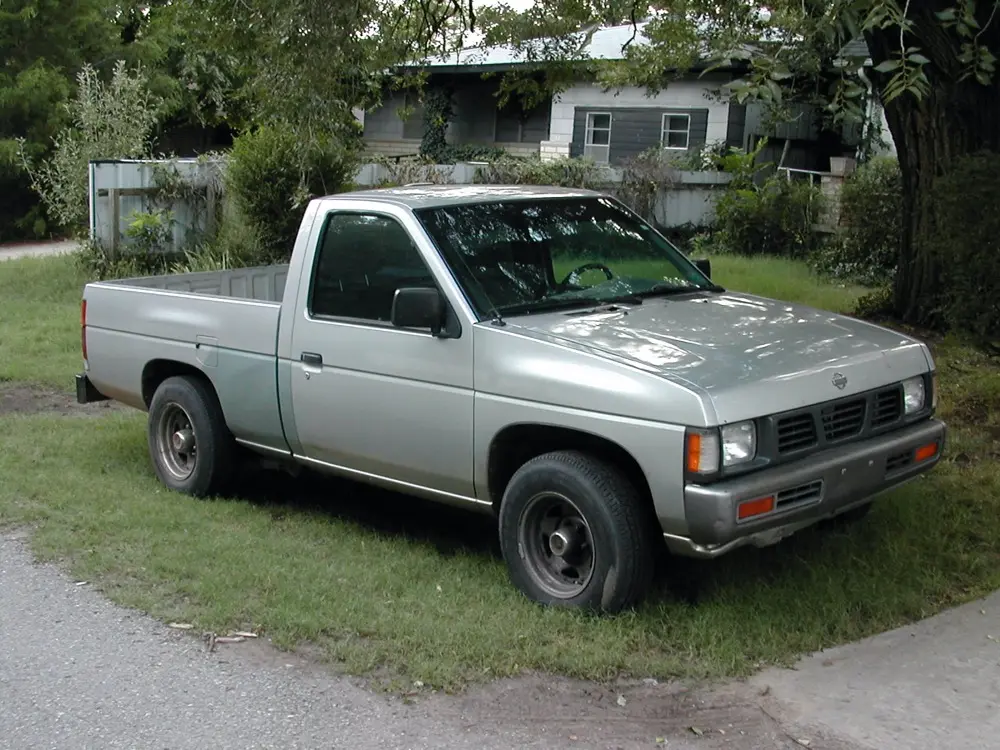
The Nissan Navara, also known as the Nissan Frontier in North America and the Nissan NP300 in Mexico and Europe, is a pickup truck that was introduced by Nissan in 1997. The name “Navara” of this vehicle comes from a place in Northern Spain called “Navarre”. The 2011 Nissan Navara received the highest rating for Insurance Institute for Highway Safety. It is also the winner of several awards. It is a front-engine car, built as a rear-wheel or four-wheel drive. It is available with petrol or diesel engines. Both, manual and automatic transmission styles were produced.
Frequently Asked Questions
How can I improve the fuel efficiency of my Nissan PickUp?
There are several ways to improve the fuel efficiency of your Nissan PickUp. First, ensure regular maintenance, including oil changes, air filter replacements, and spark plug inspections. Additionally, practicing good driving habits such as avoiding aggressive acceleration and braking, maintaining a steady speed, and reducing excess weight in the vehicle can all contribute to better fuel economy. For more specific tips and recommendations, consult your Nissan PickUp automotive repair manual.
How do I change a flat tire on my Nissan PickUp?
Changing a flat tire on your Nissan PickUp involves several steps. First, ensure your vehicle is parked on a level surface with the emergency brake engaged. Then, locate the spare tire, jack, and lug wrench. Follow the step-by-step instructions outlined in your Nissan PickUp automotive repair manual to safely lift the vehicle, remove the lug nuts, replace the flat tire with the spare, and secure everything back in place.
How do I change the engine air filter in my Nissan PickUp?
Changing the engine air filter in your Nissan PickUp is a relatively simple process. Locate the air filter housing, which is usually situated near the engine’s intake. Open the housing, remove the old filter, and clean the housing thoroughly. Then, insert the new engine air filter, ensuring it is properly seated and secured. Refer to your Nissan PickUp automotive repair manual for detailed step-by-step instructions and diagrams.
How do I check and adjust the tire pressure in my Nissan PickUp?
To check and adjust the tire pressure in your Nissan PickUp, first, ensure the tires are cool and not recently driven. Locate the recommended tire pressure specifications, which are usually located on a sticker inside the driver’s door jamb or in the owner’s manual. Use a tire pressure gauge to measure the current pressure and add or release air accordingly. Refer to your Nissan PickUp automotive repair manual for any additional information specific to your model.
How do I check the brake fluid level in my Nissan PickUp?
To check the brake fluid level in your Nissan PickUp, locate the brake fluid reservoir, usually found near the firewall on the driver’s side of the engine compartment. Ensure the vehicle is parked on a level surface and the engine is cool. Remove the reservoir cap and check the fluid level against the “MAX” and “MIN” markings. If necessary, add brake fluid of the recommended type until it reaches the appropriate level. Consult your Nissan PickUp automotive repair manual for any specific instructions or precautions.
How do I check the transmission fluid level in my Nissan PickUp?
To check the transmission fluid level in your Nissan PickUp, first, ensure the vehicle is parked on a level surface and the engine is running. Locate the transmission dipstick, usually positioned near the back of the engine bay. Remove the dipstick, wipe it clean, reinsert it, and then remove it again to check the fluid level. The fluid should be within the designated range on the dipstick. Refer to your Nissan PickUp automotive repair manual for any specific instructions or precautions.
How do I replace a headlight bulb on my Nissan PickUp?
To replace a headlight bulb on your Nissan PickUp, first, open the hood and locate the backside of the headlight assembly. Depending on the model, you may need to remove a cover or unplug a connector to access the bulb. Once you have access, remove the old bulb by twisting it counterclockwise and replace it with a new bulb. Ensure the bulb is securely in place, reconnect any connectors or covers, and test the headlight. Your Nissan PickUp automotive repair manual will provide specific details for your model.
How do I replace a taillight bulb on my Nissan PickUp?
To replace a taillight bulb on your Nissan PickUp, first, open the trunk or tailgate and locate the access panel behind the taillight assembly. Remove the access panel to reveal the bulb socket. Twist the socket counterclockwise to remove it, then remove the old bulb and replace it with a new one. Ensure the bulb is securely in place, reattach the socket, and replace the access panel. Your Nissan PickUp automotive repair manual will provide specific details for your model.
How do I replace the air filter in my Nissan PickUp?
To replace the air filter in your Nissan PickUp, locate the air filter housing, which is usually situated near the engine’s intake. Open the housing, remove the old filter, and clean the housing thoroughly. Then, insert the new air filter, ensuring it is properly seated and secured. Refer to your Nissan PickUp automotive repair manual for detailed step-by-step instructions and diagrams.
How do I replace the brake pads on my Nissan PickUp?
To replace the brake pads on your Nissan PickUp, first, ensure the vehicle is safely lifted and secured. Remove the wheels to access the brake caliper assembly. Then, remove the brake caliper, taking care not to damage the brake line, and replace the worn brake pads. Ensure all components are properly aligned and reassemble the brake caliper and wheels. Detailed instructions and diagrams can be found in your Nissan PickUp automotive repair manual.
How do I reset the maintenance light on my Nissan PickUp?
To reset the maintenance light on your Nissan PickUp, start by turning the ignition key to the “ON” position without starting the engine. Within five seconds, fully press the accelerator pedal to the floor and release it three times. Afterward, turn the ignition key to the “OFF” position. Start the engine, and the maintenance light should be reset. If the light remains illuminated, consult your Nissan PickUp automotive repair manual for further instructions or potential underlying issues.
How often should I change the oil in my Nissan PickUp?
The oil in your Nissan PickUp should be changed every 3,000 to 5,000 miles, or every three to six months, depending on your driving conditions. Regular oil changes help maintain the engine’s performance and prolong its lifespan. Consult your Nissan PickUp automotive repair manual for specific recommendations and guidelines.
What type of coolant should I use in my Nissan PickUp?
It is recommended to use a high-quality, ethylene glycol-based coolant with a 50/50 mix of coolant and distilled water in your Nissan PickUp. This mixture offers optimal protection against freezing, boiling, and corrosion. It is crucial to follow the coolant specifications outlined in your Nissan PickUp automotive repair manual to ensure proper engine cooling and prevent any potential damage.
What type of engine oil should I use in my Nissan PickUp?
Nissan PickUp models typically require engine oil with a viscosity grade of 5W-30, but it is crucial to consult your vehicle’s specific requirements in the automotive repair manual. Additionally, consider the climate and driving conditions you typically encounter when selecting the appropriate oil. Regular oil changes using the recommended oil type and grade are essential for optimal engine performance and longevity.
What type of transmission fluid should I use in my Nissan PickUp?
Nissan PickUp models typically require automatic transmission fluid (ATF) type “D” or “Dexron-III” for optimal performance. It is essential to check your vehicle’s specific requirements in the automotive repair manual, as different models may have different recommendations. Regular maintenance of the transmission fluid, including fluid level checks and fluid changes, is crucial to ensure smooth shifting and extended transmission life.
