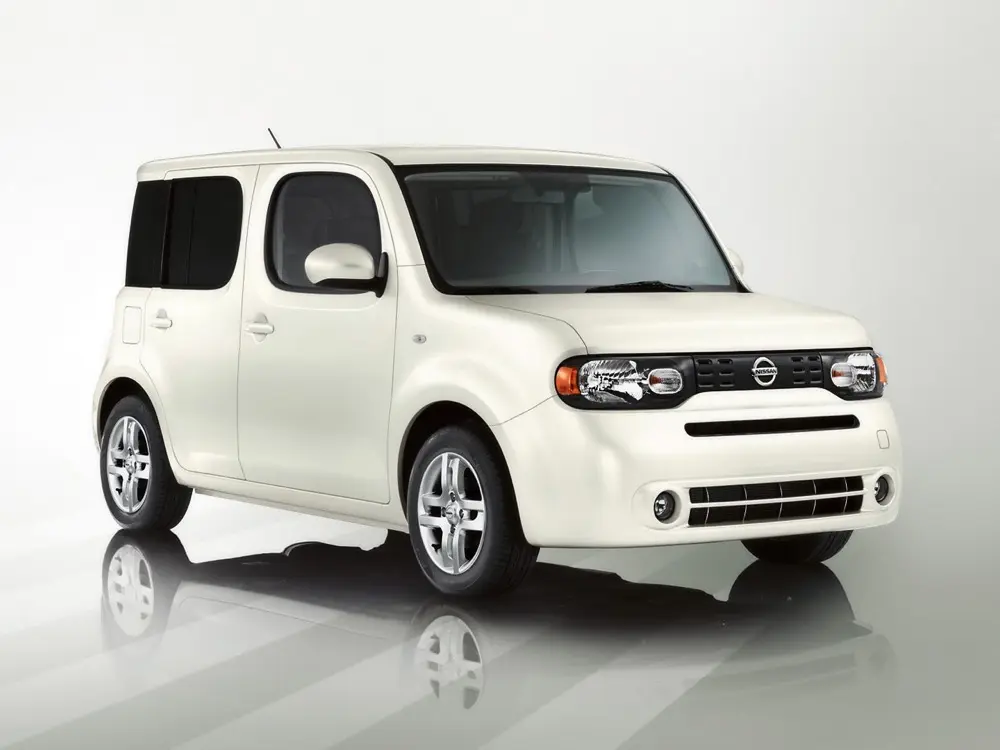
The Nissan Cube is a mini MPV produced by Japanese carmaker Nissan since 1998. Initially sold only in Japan, the Cube has been sold in North American and European markets since 2009, although discontinued in Europe in 2011. As of 2014, the Cube is once again sold only in Japan. It was manufactured with petrol and diesel engines, and available with both manual and automatic transmission styles. 2009 Kelley Blue Book named the Nissan Cube one of its Top 10 Coolest Cars Under $18,000.
Frequently Asked Questions
How can I troubleshoot a rough idle in my Nissan Cube?
If your Nissan Cube is experiencing a rough idle, there are a few things you can check. Start by inspecting the spark plugs for any signs of wear or carbon buildup. Clean or replace them if needed. Next, inspect the air intake system for any leaks or clogs that may affect the air-to-fuel mixture. Additionally, check the fuel injectors and throttle body for any issues. If the problem persists, it is recommended to consult a professional mechanic for further diagnosis.
How do I change the oil in a Nissan Cube?
To change the oil in a Nissan Cube, start by locating the oil drain plug underneath the engine. Use a wrench to loosen the plug and let the old oil drain into a pan. Once drained, replace the drain plug and remove the oil filter. Install a new filter and pour in the recommended amount of fresh oil, making sure to dispose of the old oil properly.
How do I check the brake fluid level in my Nissan Cube?
To check the brake fluid level in your Nissan Cube, start by locating the brake fluid reservoir, usually mounted on the driver’s side of the engine bay. The reservoir is translucent, allowing you to see the fluid level. Ensure the vehicle is parked on a level surface and the engine is cool. Remove the reservoir cap and check the fluid level against the “Full” and “Add” markings. If the level is below the “Add” mark, add the recommended brake fluid type until it reaches the proper level.
How do I check the coolant level in my Nissan Cube?
To check the coolant level in your Nissan Cube, make sure the engine is cool and the vehicle is parked on a level surface. Locate the coolant reservoir, usually a translucent plastic tank near the radiator. The reservoir will have “Full” and “Add” markings indicating the appropriate level. If the coolant level is below the “Add” mark, add a mix of coolant and distilled water to bring it up to the proper level. It is important to use the recommended coolant type specified in the owner’s manual.
How do I check the transmission fluid in my Nissan Cube?
To check the transmission fluid in your Nissan Cube, park the vehicle on a level surface and turn on the engine. With the transmission in “Park” or “Neutral” and the parking brake engaged, locate the transmission dipstick, usually near the back of the engine bay. Pull out the dipstick, wipe it clean, and reinsert it fully. Then, remove it again and check the fluid level. It should be within the recommended range, typically indicated by “Full” and “Add.” If needed, add the recommended type of transmission fluid through the dipstick tube.
How do I replace a blown fuse in my Nissan Cube?
To replace a blown fuse in your Nissan Cube, locate the fuse box, which is usually found under the dashboard or in the engine compartment. Open the fuse box cover and use the fuse diagram to identify the specific fuse that needs to be replaced. Using a fuse puller or a pair of needle-nose pliers, gently remove the blown fuse and insert a new fuse of the same amperage rating. Make sure the replacement fuse is securely in place before closing the fuse box cover.
How do I replace a brake light bulb in my Nissan Cube?
To replace a brake light bulb in your Nissan Cube, open the rear hatch and locate the access panel on the inside of the taillight assembly. Remove the screws or clips securing the panel and carefully pull it away. Reach in and twist the bulb socket counterclockwise to remove it. Replace the old bulb with a new one, making sure it is securely in place. Reinstall the bulb socket, secure the access panel, and test the brake lights to ensure proper operation.
How do I replace a cabin air filter in my Nissan Cube?
To replace a cabin air filter in your Nissan Cube, start by locating the cabin air filter housing, which is usually located behind the glove compartment. Open the glove compartment and remove any contents. Release the stops on each side of the glove compartment to allow it to fully open and hang down. Locate and remove the cabin air filter housing cover, then take out the old filter. Install a new cabin air filter, ensuring it is properly aligned, and reassemble the housing and glove compartment.
How do I replace a headlight bulb in my Nissan Cube?
To replace a headlight bulb in your Nissan Cube, open the hood and locate the back of the headlight assembly. Remove the electrical connector by pressing the tab and pulling it away. Then, twist the bulb socket counterclockwise and pull it out. Replace the old bulb with a new one, making sure not to touch the glass part with your bare hands. Reinstall the bulb socket, reconnect the electrical connector, and test the headlights to ensure proper functionality.
How do I replace a wiper blade in my Nissan Cube?
To replace a wiper blade in your Nissan Cube, lift the wiper arm away from the windshield. Locate the release tab or button on the wiper blade connector and press it to release the old blade. Slide the old blade off the wiper arm and align the new blade’s connector with the wiper arm. Push the new blade firmly until it clicks into place. Finally, lower the wiper arm back onto the windshield and test the wipers for proper operation.
How do I reset the maintenance light on my Nissan Cube?
To reset the maintenance light on your Nissan Cube, start by turning the ignition switch to the “ON” position without starting the engine. Then, press and hold the trip meter reset button until the maintenance light starts flashing. Release the button and press it again to confirm the reset. The maintenance light should turn off, indicating that the reset was successful. If the light continues to stay on, it may indicate a more serious issue that requires further inspection.
How often should I replace the air filter in my Nissan Cube?
It is recommended to replace the air filter in your Nissan Cube every 12,000 to 15,000 miles or once a year, whichever comes first. However, if you frequently drive in dusty or polluted areas, you may need to replace it more frequently. Regularly inspect the air filter for any signs of damage or excessive dirt buildup and replace it as necessary to ensure optimal engine performance.
What is the recommended tire pressure for a Nissan Cube?
The recommended tire pressure for a Nissan Cube is usually listed on a sticker located on the driver-side door jamb or in the owner’s manual. It is important to follow these recommendations to ensure proper tire performance and fuel efficiency. Typically, the recommended tire pressure for a Nissan Cube ranges from 30 to 35 PSI, but it may vary depending on the specific model and tire size.
What should I do if my Nissan Cube’s battery is dead?
If your Nissan Cube’s battery is dead, you can jump-start the car using jumper cables and another vehicle with a working battery. Connect the red clamp to the positive terminal of the dead battery and the other red clamp to the positive terminal of the working battery. Then, attach the black clamp to the negative terminal of the working battery and the other black clamp to an unpainted metal surface on the dead car. Start the working vehicle, let it run for a few minutes, and then try starting your Nissan Cube.
What type of engine oil should I use in my Nissan Cube?
The recommended engine oil for a Nissan Cube can vary depending on the model and engine type. It is best to refer to the owner’s manual or contact a Nissan dealership for the specific oil recommendation. Typically, Nissan recommends using synthetic or conventional oil with a viscosity grade of 5W-30 or 10W-30. It is important to use oil that meets the required specifications to ensure optimal engine performance and longevity.
